Pym Edward, Sasidharan Nikhil, Thompson-Peer Katherine L, Simon David J, Anselmo Anthony, Sadreyev Ruslan, Hall Qi, Nurrish Stephen, Kaplan Joshua M
Department of Molecular Biology, Massachusetts General Hospital, Boston, United States.
Department of Neurobiology, Harvard Medical School, Boston, United States.
Elife. 2017 May 6;6:e18931. doi: 10.7554/eLife.18931.
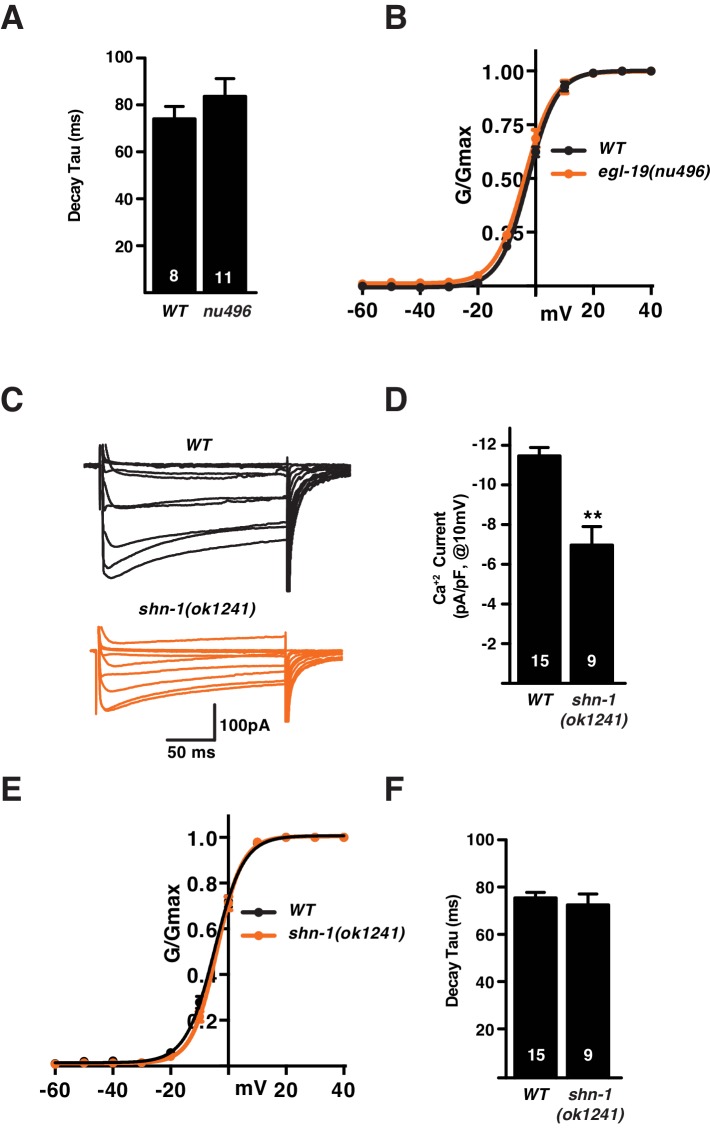
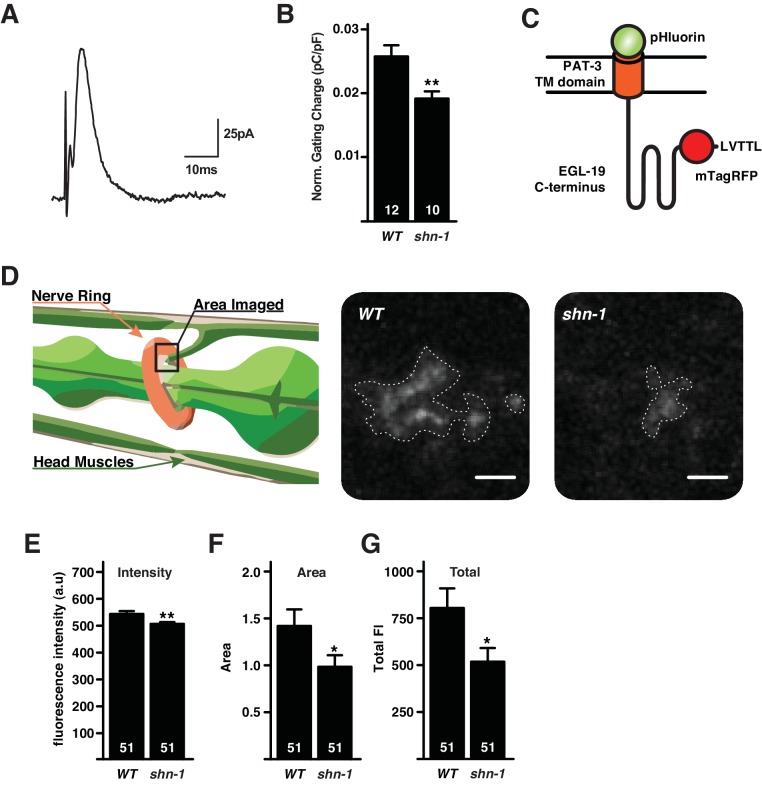
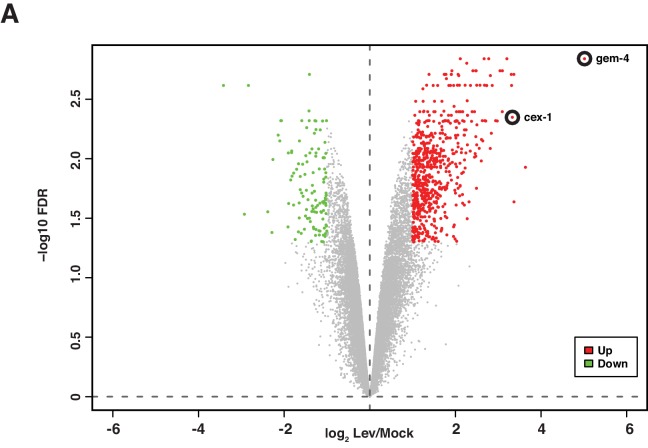
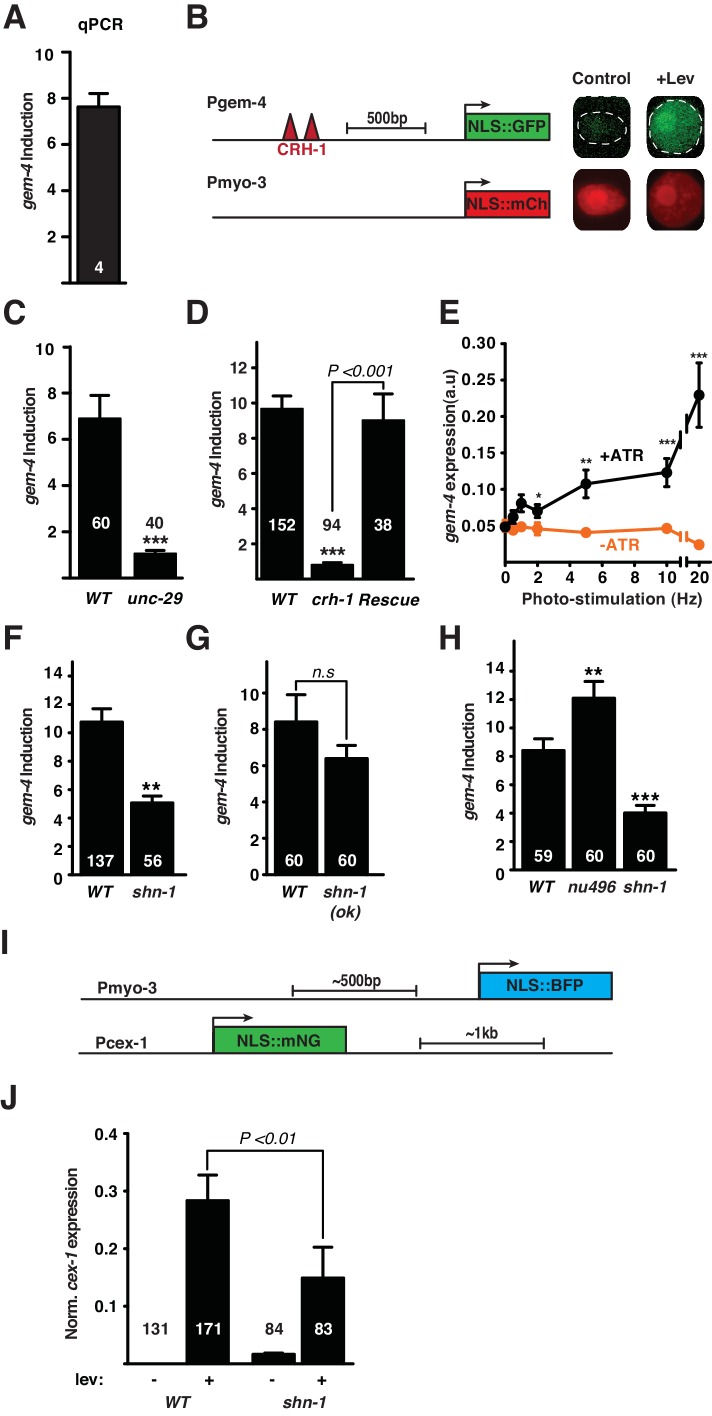
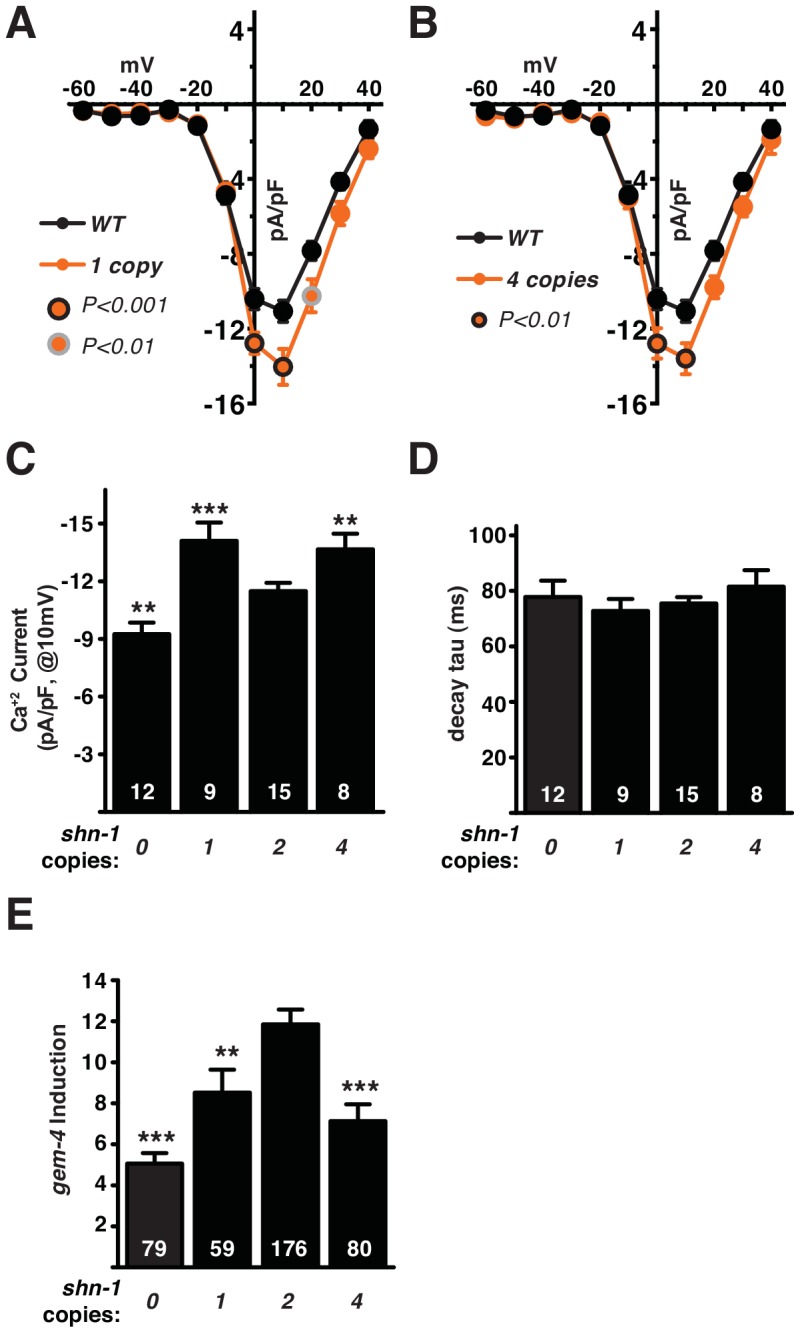
Shank is a post-synaptic scaffolding protein that has many binding partners. Shank mutations and copy number variations (CNVs) are linked to several psychiatric disorders, and to synaptic and behavioral defects in mice. It is not known which Shank binding partners are responsible for these defects. Here we show that the SHN-1/Shank binds L-type calcium channels and that increased and decreased gene dosage alter L-channel current and activity-induced expression of a CRH-1/CREB transcriptional target ( Copine), which parallels the effects of human Shank copy number variations (CNVs) on Autism spectrum disorders and schizophrenia. These results suggest that an important function of Shank proteins is to regulate L-channel current and activity induced gene expression.
Shank是一种具有众多结合伴侣的突触后支架蛋白。Shank突变和拷贝数变异(CNV)与多种精神疾病以及小鼠的突触和行为缺陷有关。目前尚不清楚哪些Shank结合伴侣导致了这些缺陷。在此我们表明,SHN-1/Shank与L型钙通道结合,基因剂量的增加和减少会改变L通道电流以及CRH-1/CREB转录靶点(Copine)的活性诱导表达,这与人Shank拷贝数变异(CNV)对自闭症谱系障碍和精神分裂症的影响相似。这些结果表明,Shank蛋白的一个重要功能是调节L通道电流和活性诱导的基因表达。