Kanner Joseph, Selhub Jacob, Shpaizer Adi, Rabkin Boris, Shacham Inbal, Tirosh Oren
Department of Food Science, ARO Volcani Center, Bet-Dagan, Israel; Institute of Biochemistry, Food Science and Nutrtion, Faculty of Agriculture Food and Environment, The Hebrew University of Jerusalem, Rehovot, Israel.
Vitamin Metabolism and Aging, Jean Mayer USDA at Tufts University, Boston, MA, USA.
Redox Biol. 2017 Aug;12:929-936. doi: 10.1016/j.redox.2017.04.029. Epub 2017 Apr 24.
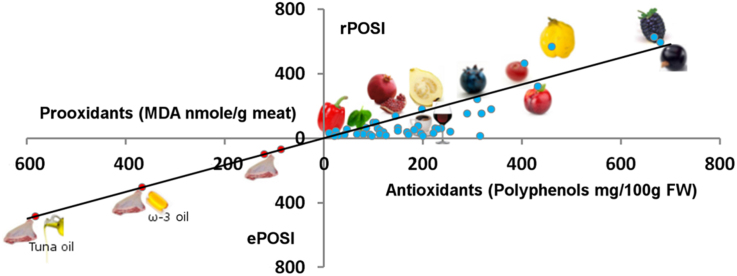
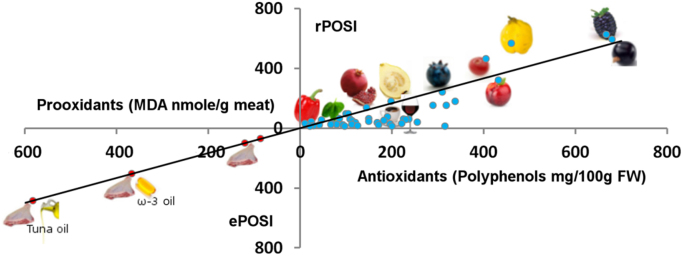
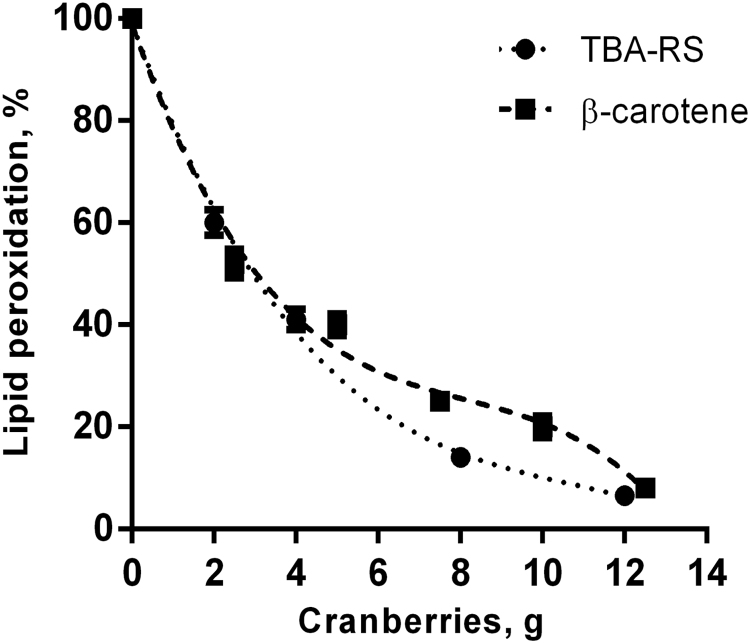
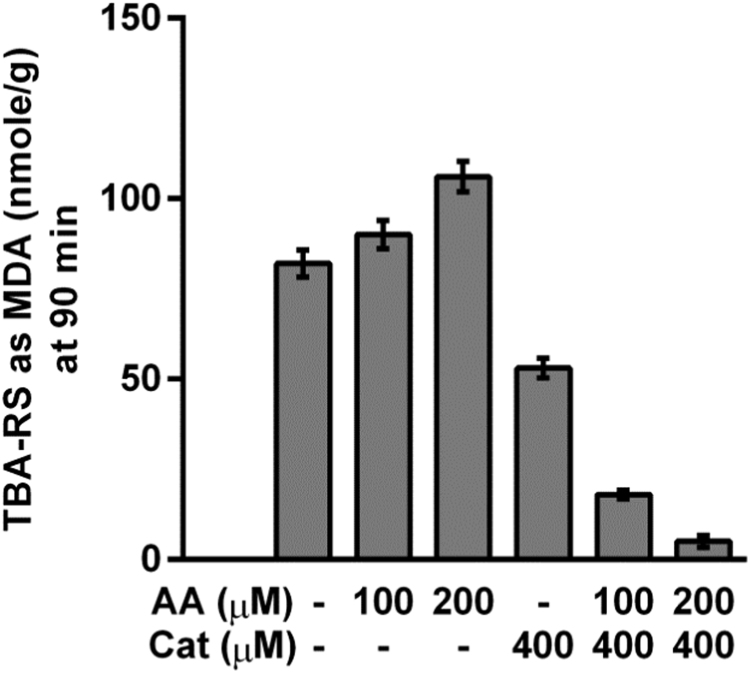
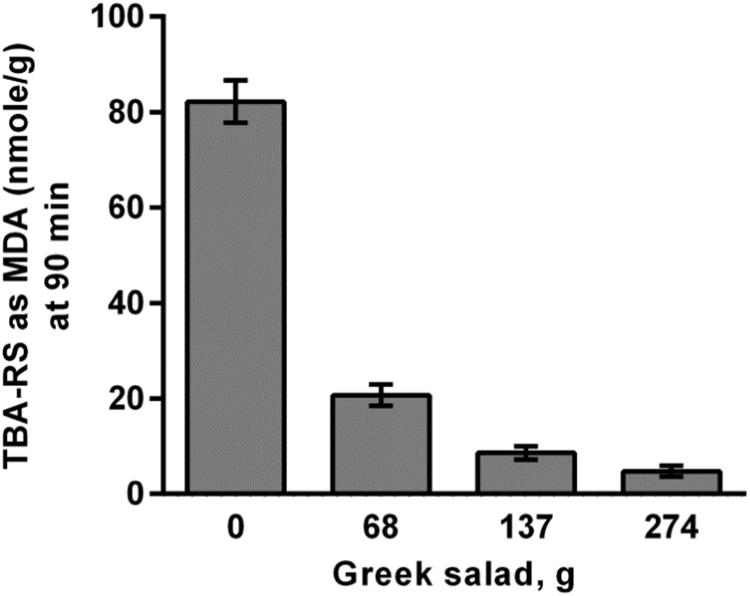
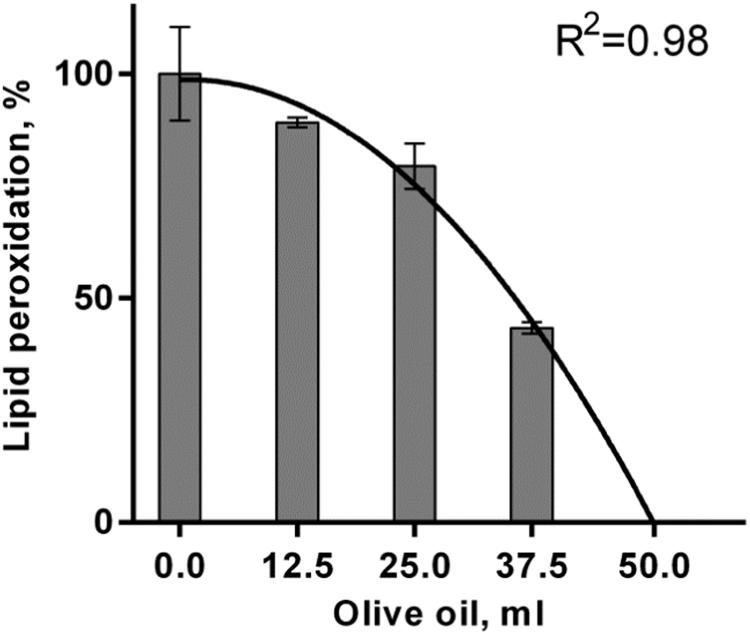
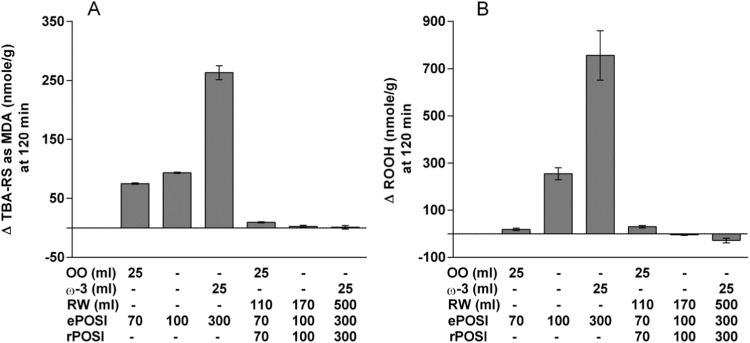
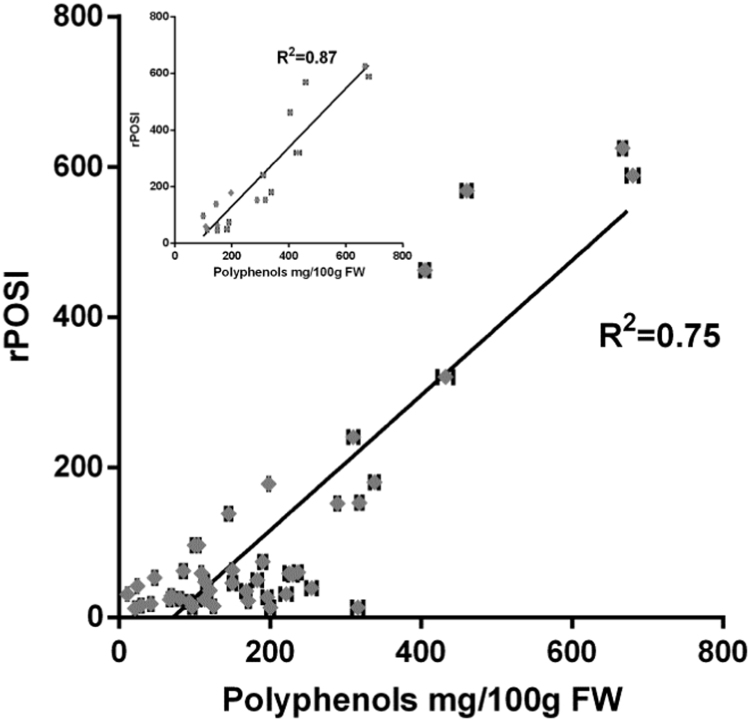
Red-meat lipid peroxidation in the stomach results in postprandial oxidative stress (POS) which is characterized by the generation of a variety of reactive cytotoxic aldehydes including malondialdehyde (MDA). MDA is absorbed in the blood system reacts with cell proteins to form adducts resulting in advanced lipid peroxidation end products (ALEs), producing dysfunctional proteins and cellular responses. The pathological consequences of ALEs tissue damage include inflammation and increased risk for many chronic diseases that are associated with a Western-type diet. In earlier studies we used the simulated gastric fluid (SGF) condition to show that the in vitro generation of MDA from red meat closely resembles that in human blood after consumption the same amount of meat. In vivo and in vitro MDA generations were similarly suppressed by polyphenol-rich beverages (red wine and coffee) consumed with the meal. The present study uses the in vitro SGF to assess the capacity of more than 50 foods of plant origin to suppress red meat peroxidation and formation of MDA. The results were calculated as reducing POS index (rPOSI) which represents the capacity in percent of 100g of the food used to inhibit lipid peroxidation of 200g red-meat a POSI enhancer (ePOSI). The index permitted to extrapolate the need of rPOSI from a food alone or in ensemble such Greek salad, to neutralize an ePOSI in stomach medium, (ePOS-rPOSI=0). The correlation between the rPOSI and polyphenols in the tested foods was R=0.75. The Index was validated by comparison of the predicted rPOSI for a portion of Greek salad or red-wine to real inhibition of POS enhancers. The POS Index permit to better balancing nutrition for human health.
胃中红肉的脂质过氧化会导致餐后氧化应激(POS),其特征是产生多种具有细胞毒性的活性醛类,包括丙二醛(MDA)。MDA被吸收进入血液系统后会与细胞蛋白质反应形成加合物,从而产生晚期脂质过氧化终产物(ALE),导致蛋白质功能失调和细胞反应。ALE组织损伤的病理后果包括炎症以及与西式饮食相关的许多慢性疾病风险增加。在早期研究中,我们利用模拟胃液(SGF)条件表明,红肉在体外产生MDA的情况与食用等量肉类后人体血液中的情况非常相似。用餐时饮用富含多酚的饮料(红酒和咖啡),体内和体外MDA的产生均受到类似抑制。本研究利用体外SGF评估50多种植物性食物抑制红肉过氧化和MDA形成的能力。结果以降低的POS指数(rPOSI)来计算,该指数表示100克用于抑制200克红肉脂质过氧化的食物的抑制能力,以POSI增强剂(ePOSI)为参照。该指数能够推断出单独一种食物或像希腊沙拉这样的组合食物所需的rPOSI,以中和胃介质中的ePOSI(ePOS - rPOSI = 0)。受试食物中rPOSI与多酚之间的相关性为R = 0.75。通过将希腊沙拉或红酒一部分的预测rPOSI与对POS增强剂的实际抑制作用进行比较,验证了该指数。POS指数有助于更好地平衡营养以促进人类健康。