Wang Lei, Lu Shu-Ren, Wen Jing
School of Information Engineering, Nanchang HangKong University, Nanchang, 330063, People's Republic of China.
Department of Automatic Control, School of Information Engineering, Nanchang Hangkong University, Nanchang, 330069, Jiangxi, People's Republic of China.
Nanoscale Res Lett. 2017 Dec;12(1):347. doi: 10.1186/s11671-017-2114-9. Epub 2017 May 11.
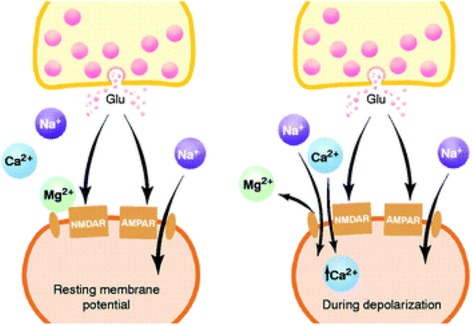
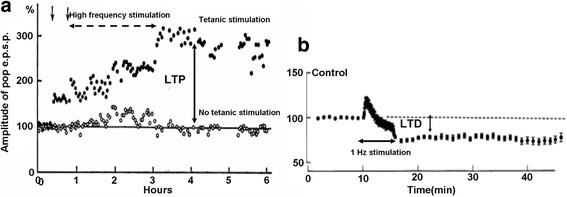
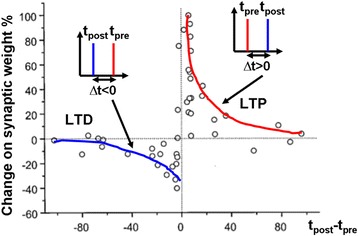
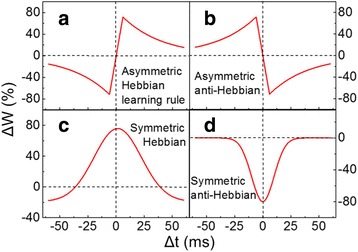
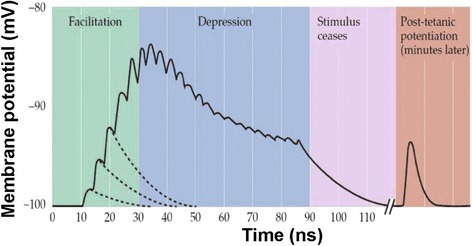
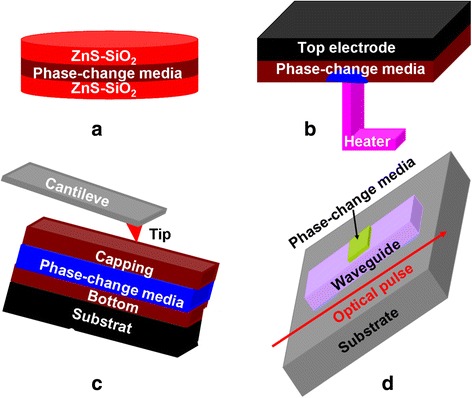
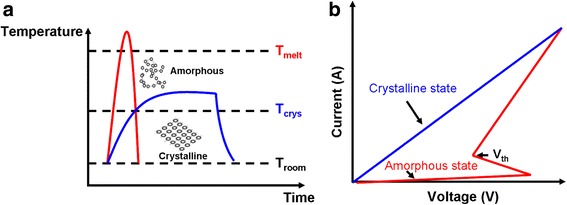
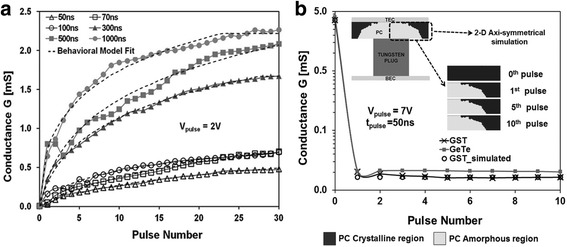
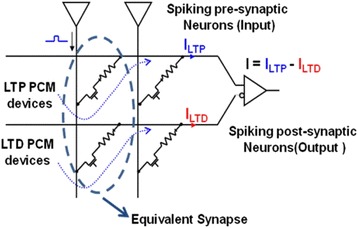
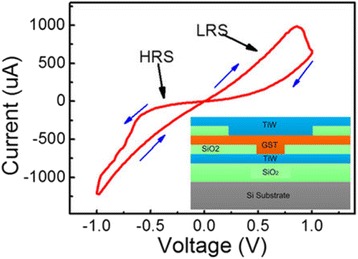
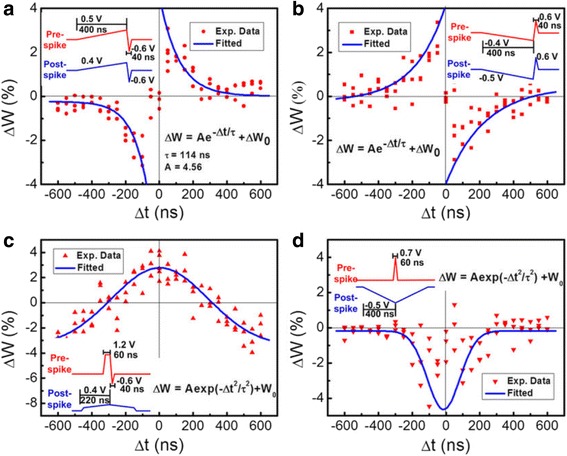
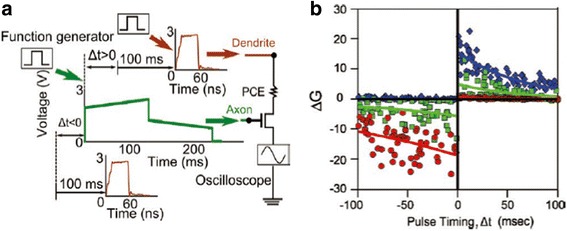
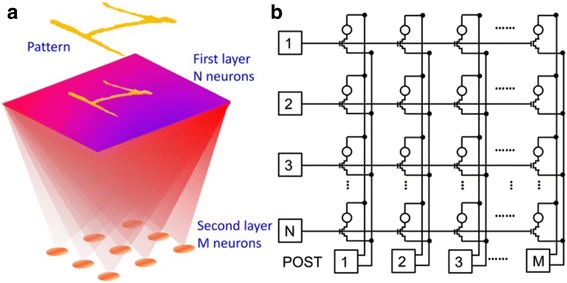
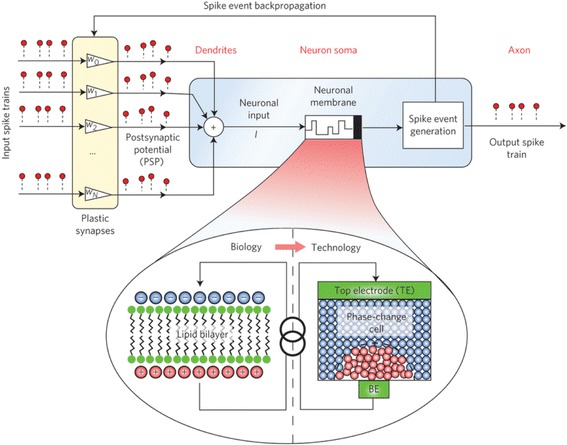
Realization of brain-like computer has always been human's ultimate dream. Today, the possibility of having this dream come true has been significantly boosted due to the advent of several emerging non-volatile memory devices. Within these innovative technologies, phase-change memory device has been commonly regarded as the most promising candidate to imitate the biological brain, owing to its excellent scalability, fast switching speed, and low energy consumption. In this context, a detailed review concerning the physical principles of the neuromorphic circuit using phase-change materials as well as a comprehensive introduction of the currently available phase-change neuromorphic prototypes becomes imperative for scientists to continuously progress the technology of artificial neural networks. In this paper, we first present the biological mechanism of human brain, followed by a brief discussion about physical properties of phase-change materials that recently receive a widespread application on non-volatile memory field. We then survey recent research on different types of neuromorphic circuits using phase-change materials in terms of their respective geometrical architecture and physical schemes to reproduce the biological events of human brain, in particular for spike-time-dependent plasticity. The relevant virtues and limitations of these devices are also evaluated. Finally, the future prospect of the neuromorphic circuit based on phase-change technologies is envisioned.
实现类脑计算机一直是人类的终极梦想。如今,由于几种新兴的非易失性存储设备的出现,实现这一梦想的可能性已大大提高。在这些创新技术中,相变存储设备因其出色的可扩展性、快速的开关速度和低能耗,通常被认为是模仿生物大脑最有前途的候选者。在此背景下,对使用相变材料的神经形态电路的物理原理进行详细综述,并全面介绍当前可用的相变神经形态原型,对于科学家不断推进人工神经网络技术至关重要。在本文中,我们首先介绍人类大脑的生物学机制,接着简要讨论相变材料的物理特性,这些特性最近在非易失性存储领域得到了广泛应用。然后,我们从各自的几何结构和物理方案方面,综述了近期使用相变材料的不同类型神经形态电路的研究,以再现人类大脑的生物事件,特别是对于 spike-time-dependent plasticity。还评估了这些设备的相关优点和局限性。最后,展望了基于相变技术的神经形态电路的未来前景。