Fukuchi Reginaldo K, Fukuchi Claudiane A, Duarte Marcos
Biomedical Engineering Program, Universidade Federal do ABC, São Bernardo do Campo, São Paulo, Brazil.
Neuroscience and Cognition Graduate Program, Universidade Federal do ABC, São Bernardo do Campo, São Paulo, Brazil.
PeerJ. 2017 May 9;5:e3298. doi: 10.7717/peerj.3298. eCollection 2017.
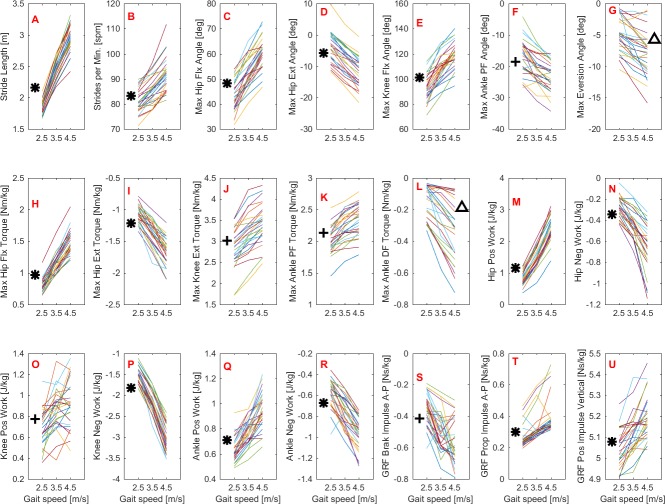
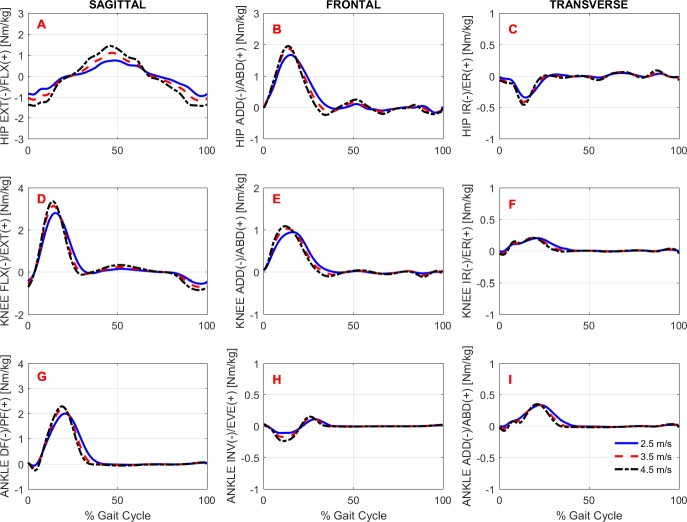
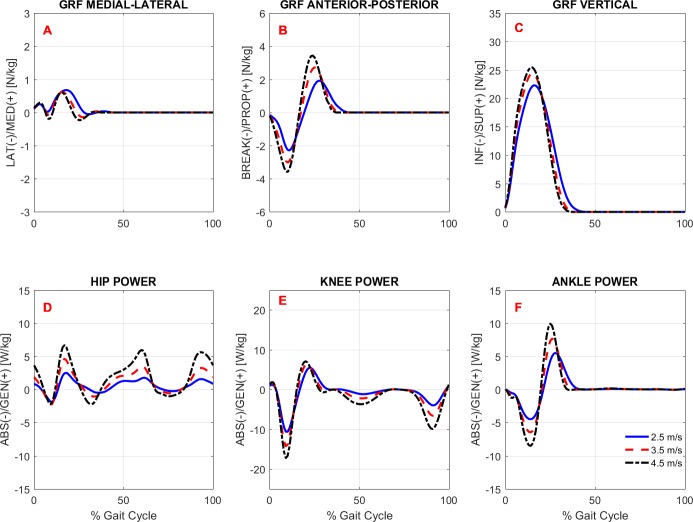
The goals of this study were (1) to present the set of data evaluating running biomechanics (kinematics and kinetics), including data on running habits, demographics, and levels of muscle strength and flexibility made available at Figshare (DOI: 10.6084/m9.figshare.4543435); and (2) to examine the effect of running speed on selected gait-biomechanics variables related to both running injuries and running economy.
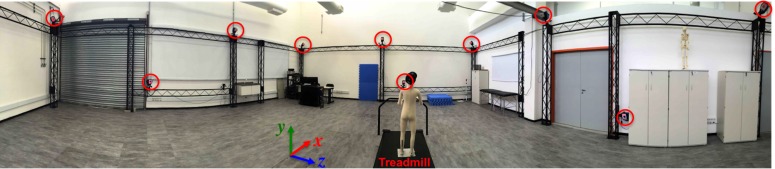
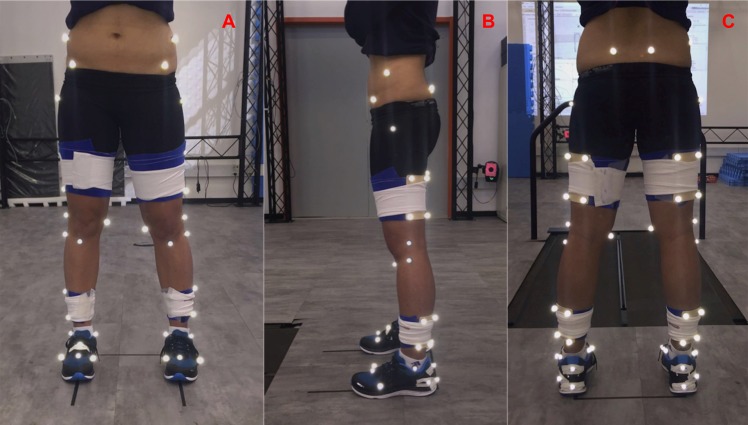
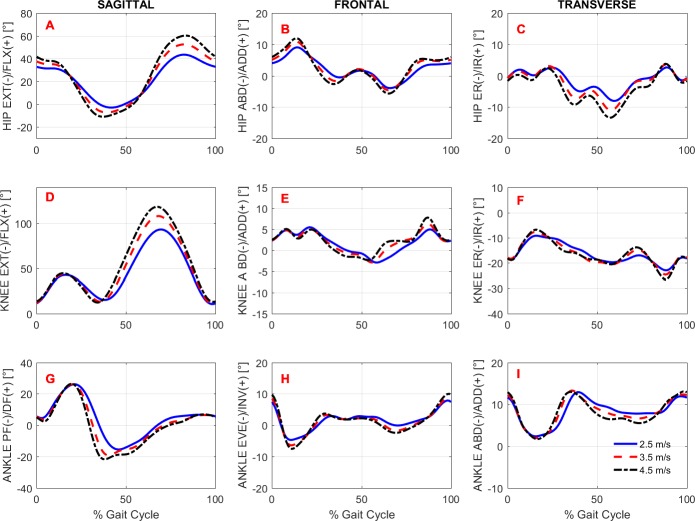
The lower-extremity kinematics and kinetics data of 28 regular runners were collected using a three-dimensional (3D) motion-capture system and an instrumented treadmill while the subjects ran at 2.5 m/s, 3.5 m/s, and 4.5 m/s wearing standard neutral shoes.
A dataset comprising raw and processed kinematics and kinetics signals pertaining to this experiment is available in various file formats. In addition, a file of metadata, including demographics, running characteristics, foot-strike patterns, and muscle strength and flexibility measurements is provided. Overall, there was an effect of running speed on most of the gait-biomechanics variables selected for this study. However, the foot-strike patterns were not affected by running speed.
Several applications of this dataset can be anticipated, including testing new methods of data reduction and variable selection; for educational purposes; and answering specific research questions. This last application was exemplified in the study's second objective.
本研究的目标是:(1)展示一组评估跑步生物力学(运动学和动力学)的数据,包括在Figshare(DOI:10.6084/m9.figshare.4543435)上提供的跑步习惯、人口统计学以及肌肉力量和柔韧性水平的数据;(2)研究跑步速度对与跑步损伤和跑步经济性相关的选定步态生物力学变量的影响。
使用三维(3D)运动捕捉系统和测力跑步机收集28名经常跑步者的下肢运动学和动力学数据,受试者穿着标准中性鞋以2.5米/秒、3.5米/秒和4.5米/秒的速度跑步。
包含与该实验相关的原始和处理后的运动学及动力学信号的数据集有多种文件格式可供使用。此外,还提供了一个元数据文件,包括人口统计学、跑步特征、着地方式以及肌肉力量和柔韧性测量数据。总体而言,跑步速度对本研究中选定的大多数步态生物力学变量有影响。然而,着地方式不受跑步速度影响。
可以预期该数据集有多种应用,包括测试新的数据简化和变量选择方法;用于教育目的;以及回答特定的研究问题。最后一种应用在本研究的第二个目标中得到了体现。