Abd Alla Mohamed Darwish Ahmed, El Awady Mostafa Kamel
Tropical Medicine Department, Faculty of Medicine, Al-Azhar University, Cairo, Egypt.
Department of Microbial Biotechnology, National Research Center, Cairo, Egypt.
J Clin Transl Hepatol. 2017 Mar 28;5(1):1-8. doi: 10.14218/JCTH.2016.00054. Epub 2017 Feb 23.
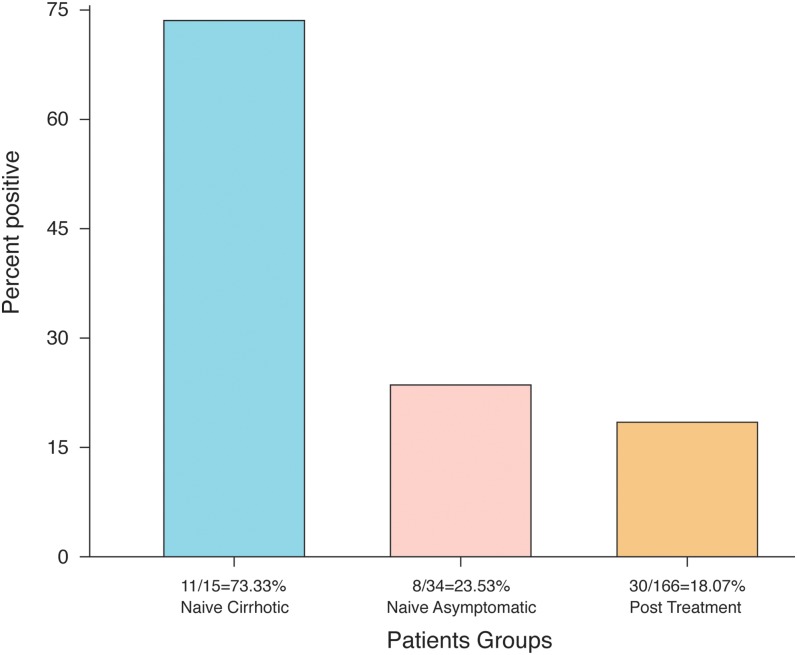
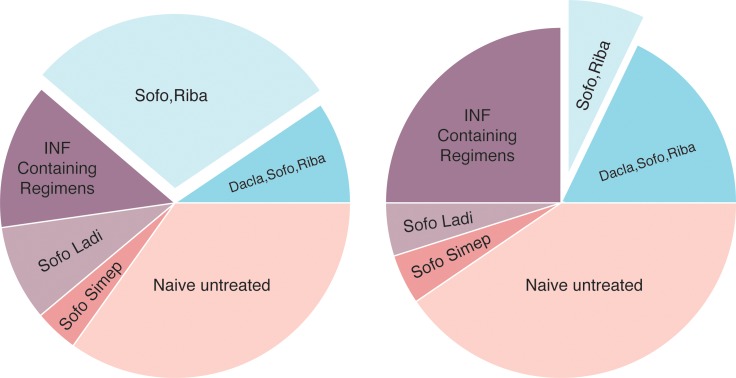
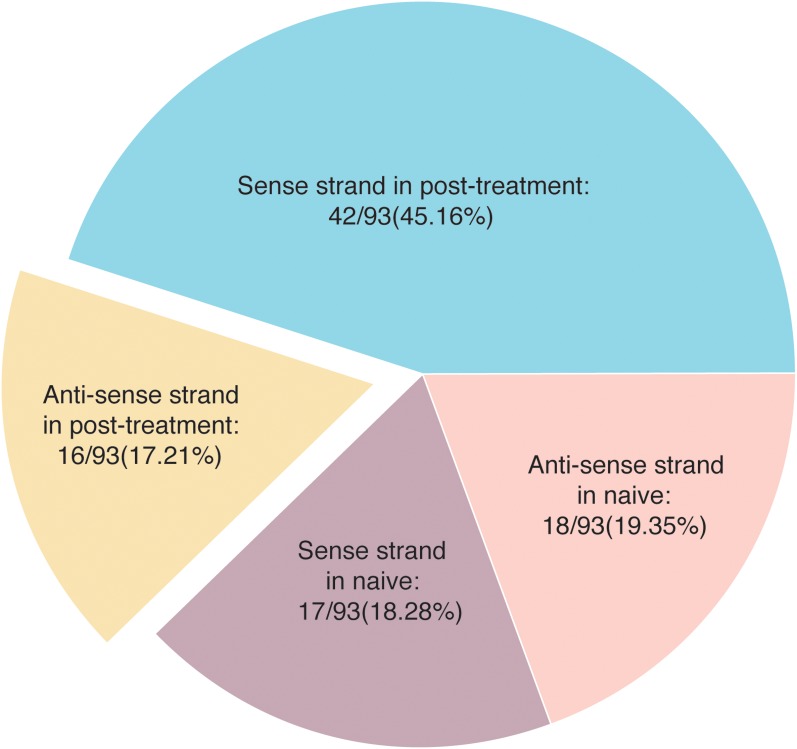
Hepatitis C virus (HCV) hepatotropism is associated with intra-peripheral blood mononuclear cell (PBMC) infection that causes post-treatment relapse in RNA seronegative patients. Our understanding of the association of non-viremic hepatic fibrosis with positive anti-HCV IgG antibodies and active hepatocellular damage might be increased by PBMCs screening for intracellular infection. Thus, the goals of this study included evaluation of PBMCs PCR for diagnosing HCV infection, addressing PBMCs plus serum real-time (SRT) PCR benefits over SRT-PCR alone, studying intra-PBMCs distribution of RNA sense and antisense strands, and identifying treatment feasibility in solitary intracellular infection. Enzyme-linked immunosorbent assay, SRT-PCR and PBMCs PCR were used to evaluate HCV infection in 401 subjects. The patients were classified into groups of negative controls ( = 30), positive controls ( = 63), non-viremia post-treatment (experienced; = 166) and naïve ( = 49) cases, and non-viremia positive PBMCs PCR naïve ( = 35) and experienced ( = 58) patients. The diagnosis of true positive and negative by PBMCs PCR and SRT-PCR had 100% and 96.7% compatibility respectively. PBMCs PCR detected intracellular HCV infection in 49 out of 215 non-viremia patients; among them, naïve cirrhotics had significantly higher number of intracellular infection than the naïve non-cirrhotic ( < 0.001) and experienced patients ( < 0.0001). Antisense and sense strands were respectively recognized in naïve and experienced cases ( = 0.01218). Intracellular HCV strands were detected in 18.02% of experienced patients. Recognition of intracellular RNA strands showed significant decline in experienced compared to naïve patients ( < 0.05). PBMCs PCR is a valid diagnostic test that can diagnose intracellular HCV when SRT-PCR is negative. Antisense and sense strands are respectively recognized more often in naïve and experienced patients. The expected overall relapsing rate in our cohort was 18.02%. Intra-PBMC infections are associated with liver cirrhosis in naïve non-viremia patients. Eradication of intracellular strands is recommended to avoid RNA seroconversion. Registration number 10231.
丙型肝炎病毒(HCV)的嗜肝性与外周血单个核细胞(PBMC)内感染有关,这种感染会导致RNA血清阴性患者治疗后复发。通过对PBMC进行细胞内感染筛查,可能会增进我们对非病毒血症性肝纤维化与抗HCV IgG抗体阳性及活动性肝细胞损伤之间关联的理解。因此,本研究的目标包括评估PBMC的PCR用于诊断HCV感染、探讨PBMC加血清实时(SRT)PCR相较于单独的SRT-PCR的优势、研究RNA正负链在PBMC内的分布,以及确定单独细胞内感染的治疗可行性。采用酶联免疫吸附测定、SRT-PCR和PBMC的PCR对401名受试者进行HCV感染评估。将患者分为阴性对照组(n = 30)、阳性对照组(n = 63)、治疗后非病毒血症组(有经验者;n = 166)和初治组(n = 49),以及PBMC的PCR非病毒血症阳性初治组(n = 35)和有经验组(n = 58)患者。PBMC的PCR和SRT-PCR诊断真阳性和真阴性的符合率分别为100%和96.7%。PBMC的PCR在215名非病毒血症患者中的49名中检测到细胞内HCV感染;其中,初治肝硬化患者的细胞内感染数量显著高于初治非肝硬化患者(P < 0.001)和有经验患者(P < 0.0001)。在初治和有经验的病例中分别识别出反义链和正义链(P = 0.01218)。在18.02%的有经验患者中检测到细胞内HCV链。与初治患者相比,有经验患者中细胞内RNA链的识别率显著下降(P < 0.05)。PBMC的PCR是一种有效的诊断测试,当SRT-PCR为阴性时可诊断细胞内HCV。反义链和正义链分别在初治和有经验的患者中更常被识别。我们队列中预期的总体复发率为18.02%。初治非病毒血症患者的PBMC内感染与肝硬化有关。建议根除细胞内链以避免RNA血清学转换。注册号10231。