Seo Jeong-Sun, Lee Seungbok, Shin Jong-Yeon, Hwang Yu Jin, Cho Hyesun, Yoo Seong-Keun, Kim Yunha, Lim Sungsu, Kim Yun Kyung, Hwang Eun Mi, Kim Su Hyun, Kim Chong-Hyun, Hyeon Seung Jae, Yun Ji-Young, Kim Jihye, Kim Yona, Alvarez Victor E, Stein Thor D, Lee Junghee, Kim Dong Jin, Kim Jong-Il, Kowall Neil W, Ryu Hoon, McKee Ann C
Genomic Medicine Institute (GMI), Medical Research Center, Seoul National University, Seoul, Korea.
Department of Biochemistry and Molecular Biology, College of Medicine, Seoul National University, Seoul, Korea.
Exp Mol Med. 2017 May 19;49(5):e333. doi: 10.1038/emm.2017.56.
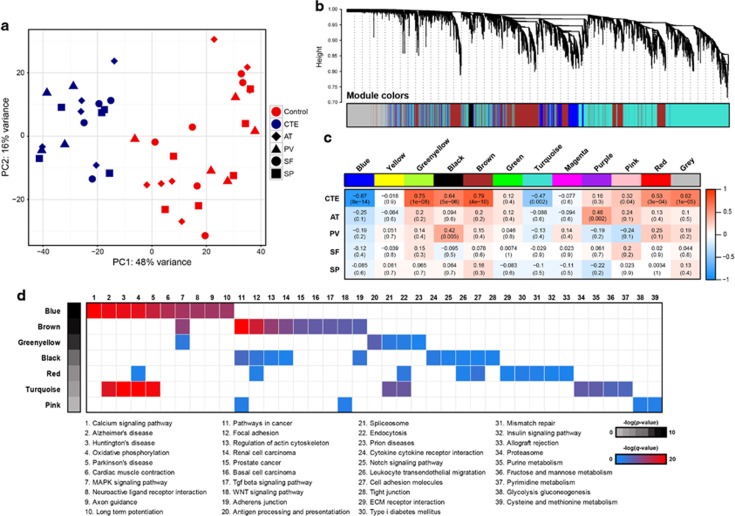
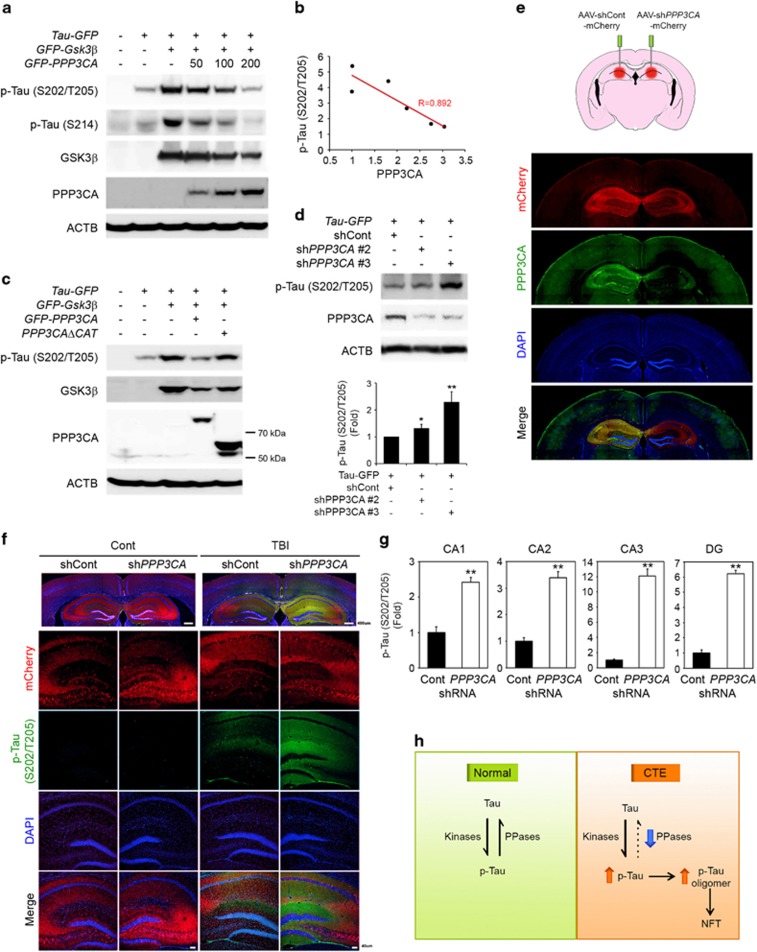
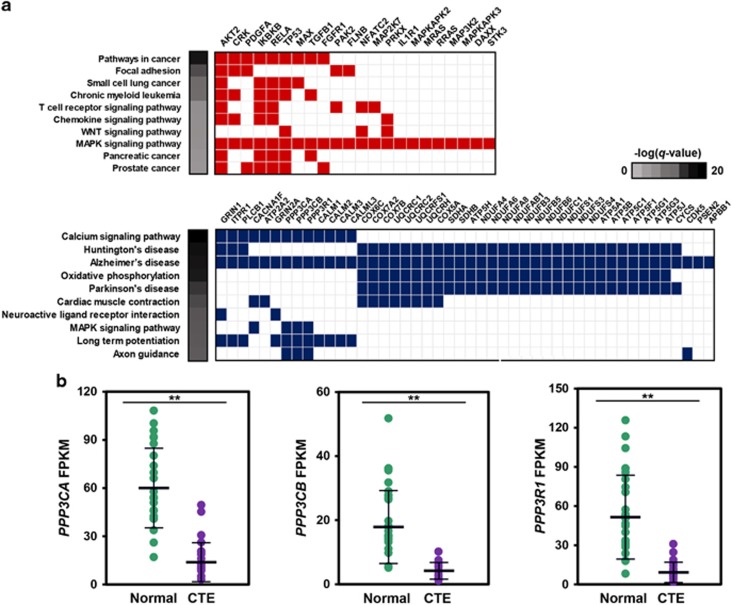
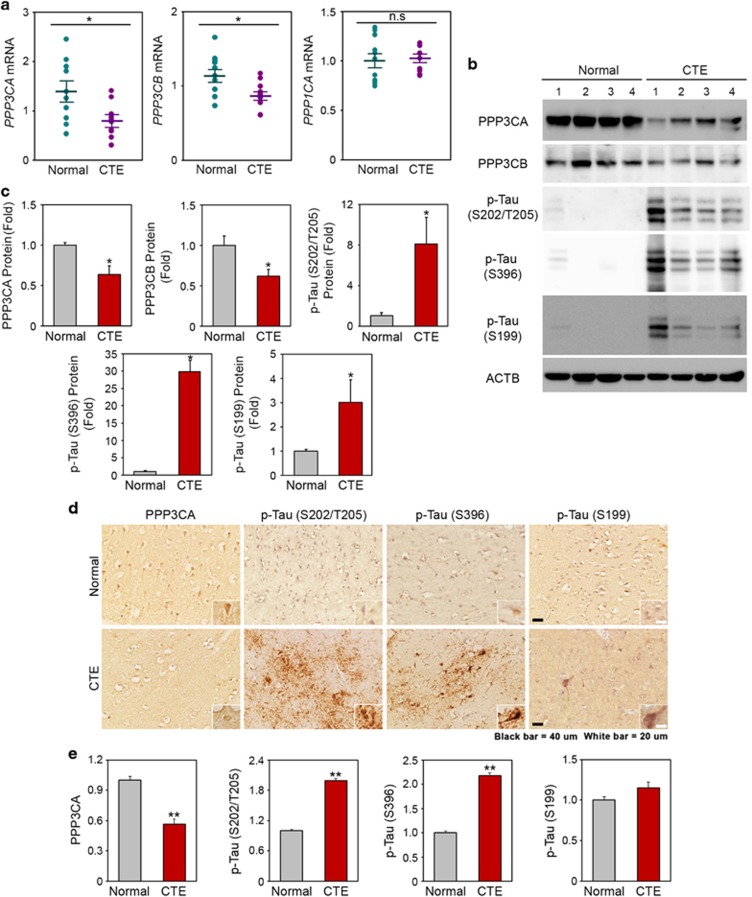
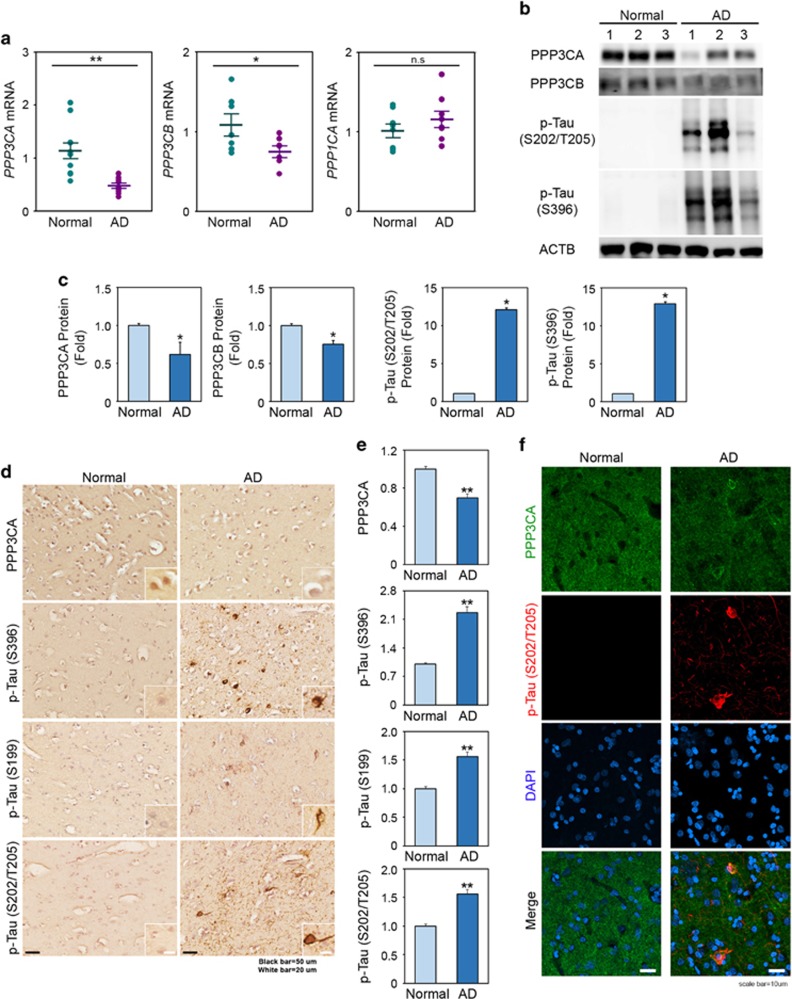
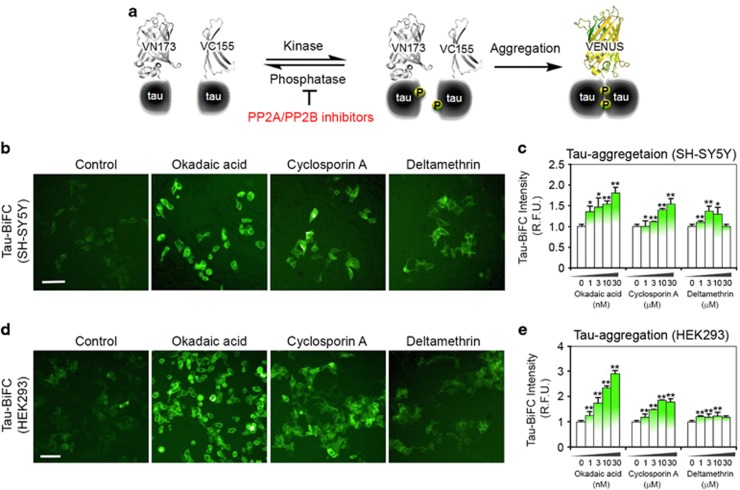
Chronic traumatic encephalopathy (CTE) is a progressive neurodegenerative disorder that is associated with repetitive head injury and has distinctive neuropathological features that differentiate this disease from other neurodegenerative diseases. Intraneuronal tau aggregates, although they occur in different patterns, are diagnostic neuropathological features of CTE, but the precise mechanism of tauopathy is not known in CTE. We performed whole RNA sequencing analysis of post-mortem brain tissue from patients with CTE and compared the results to normal controls to determine the transcriptome signature changes associated with CTE. The results showed that the genes related to the MAP kinase and calcium-signaling pathways were significantly downregulated in CTE. The altered expression of protein phosphatases (PPs) in these networks further suggested that the tauopathy observed in CTE involves common pathological mechanisms similar to Alzheimer's disease (AD). Using cell lines and animal models, we also showed that reduced PPP3CA/PP2B phosphatase activity is directly associated with increases in phosphorylated (p)-tau proteins. These findings provide important insights into PP-dependent neurodegeneration and may lead to novel therapeutic approaches to reduce the tauopathy associated with CTE.
慢性创伤性脑病(CTE)是一种进行性神经退行性疾病,与重复性头部损伤有关,具有独特的神经病理学特征,可将该疾病与其他神经退行性疾病区分开来。神经元内的tau蛋白聚集体虽然以不同模式出现,但却是CTE的诊断性神经病理学特征,不过CTE中tau蛋白病的确切机制尚不清楚。我们对CTE患者的死后脑组织进行了全RNA测序分析,并将结果与正常对照进行比较,以确定与CTE相关的转录组特征变化。结果显示,与丝裂原活化蛋白激酶(MAP激酶)和钙信号通路相关的基因在CTE中显著下调。这些网络中蛋白磷酸酶(PPs)表达的改变进一步表明,CTE中观察到的tau蛋白病涉及与阿尔茨海默病(AD)相似的常见病理机制。利用细胞系和动物模型,我们还表明,PPP3CA/PP2B磷酸酶活性降低与磷酸化(p)-tau蛋白增加直接相关。这些发现为PP依赖的神经退行性变提供了重要见解,并可能导致减少与CTE相关的tau蛋白病的新治疗方法。