Ceschi Andrea, Demerouti Evangelia, Sartori Riccardo, Weller Joshua
Human Sciences, University of VeronaVerona, Italy.
Human Performance Management, Industrial Engineering and Innovation Sciences, Eindhoven University of TechnologyEindhoven, Netherlands.
Front Psychol. 2017 May 5;8:313. doi: 10.3389/fpsyg.2017.00313. eCollection 2017.
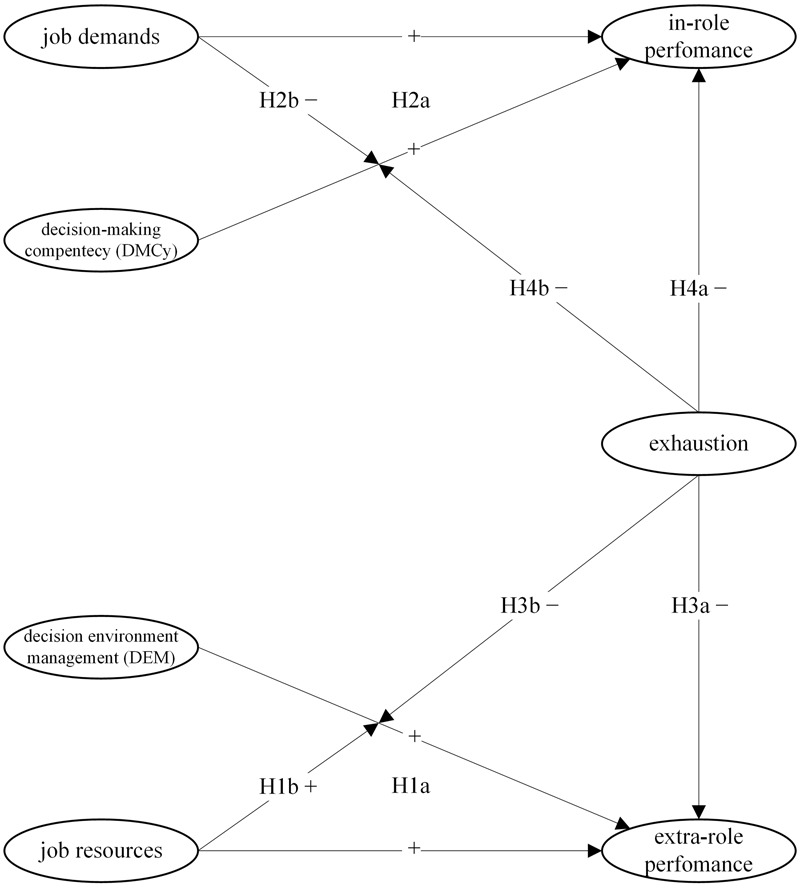
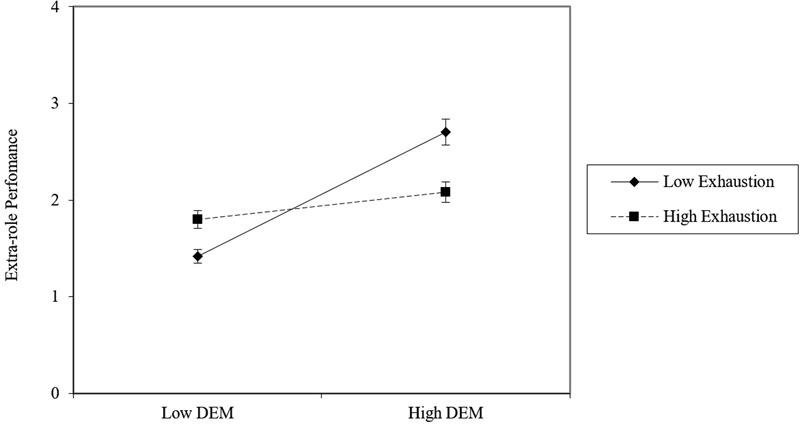
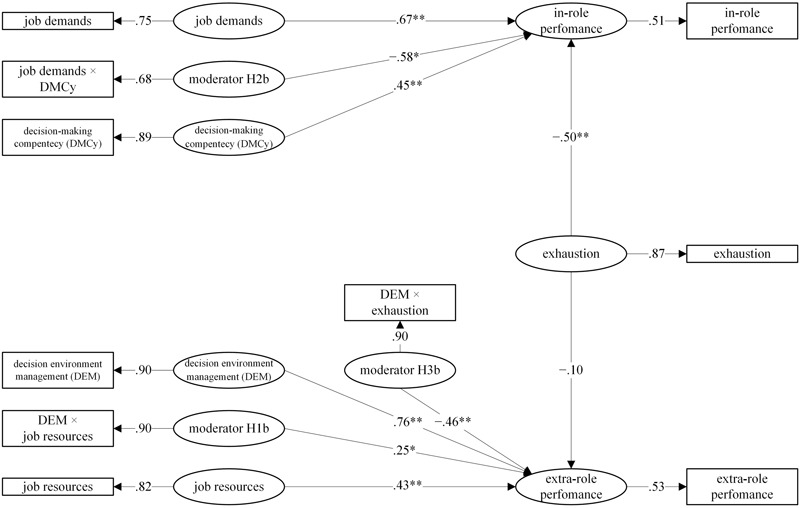
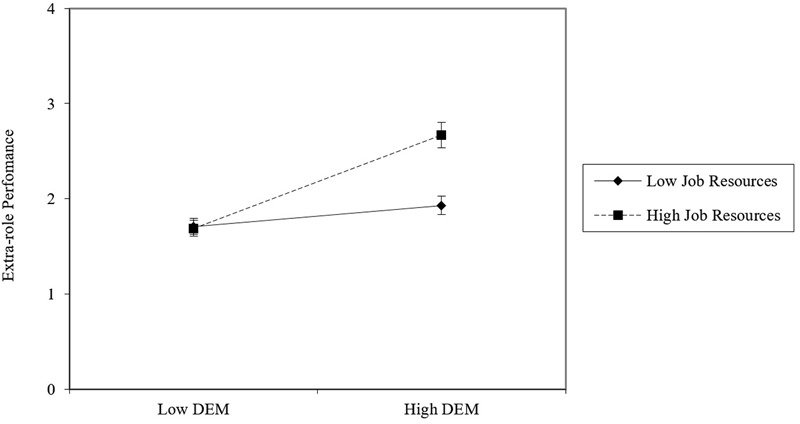
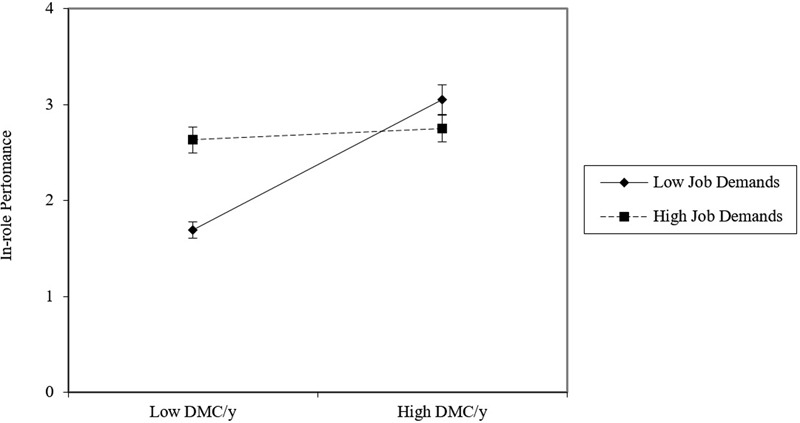
The present study aims to connect more the I/O and the decision-making psychological domains, by showing how some common components across jobs interfere with decision-making and affecting performance. Two distinct constructs that can contribute to positive workplace performance have been considered: decision-making competency (DMCy) and decision environment management (DEM). Both factors are presumed to involve self-regulatory mechanisms connected to decision processes by influencing performance in relation to work environment conditions. In the framework of the job demands-resources (JD-R) model, the present study tested how such components as job demands, job resources and exhaustion can moderate decision-making processes and performance, where high resources are advantageous for decision-making processes and performance at work, while the same effect happens with low job demands and/or low exhaustion. In line with the formulated hypotheses, results confirm the relations between both the decision-making competences, performance (i.e., in-role and extra-role) and moderators considered. In particular, employees with low levels of DMCy show to be more sensitive to job demands toward in-role performance, whereas high DEM levels increase the sensitivity of employees toward job resources and exhaustion in relation to extra-role performance. These findings indicate that decision-making processes, as well as work environment conditions, are jointly related to employee functioning.
本研究旨在通过展示不同工作中的一些共同因素如何干扰决策并影响绩效,来进一步连接输入/输出与决策心理领域。研究考虑了两种有助于积极工作场所绩效的不同构念:决策能力(DMCy)和决策环境管理(DEM)。这两个因素都被认为涉及通过影响与工作环境条件相关的绩效而与决策过程相联系的自我调节机制。在工作需求-资源(JD-R)模型的框架内,本研究测试了诸如工作需求、工作资源和疲惫等因素如何调节决策过程和绩效,其中高资源对工作中的决策过程和绩效有利,低工作需求和/或低疲惫也会产生同样的效果。与提出的假设一致,结果证实了决策能力、绩效(即角色内和角色外绩效)与所考虑的调节因素之间的关系。特别是,DMCy水平低的员工对角色内绩效的工作需求更为敏感,而高DEM水平会增加员工对与角色外绩效相关的工作资源和疲惫的敏感度。这些发现表明,决策过程以及工作环境条件与员工的工作表现共同相关。