Lee Hanwool, Baek Seung Ho, Lee Jong Hyun, Kim Chulwon, Ko Jeong-Hyeon, Lee Seok-Geun, Chinnathambi Arunachalam, Alharbi Sulaiman Ali, Yang Woong Mo, Um Jae-Young, Sethi Gautam, Ahn Kwang Seok
College of Korean Medicine, Kyung Hee University, 24 Kyungheedae-ro, Dongdaemun-gu, Seoul 02447, Korea.
College of Korean Medicine, Woosuk University, 46 Eoeun-ro, Wansan-gu, Jeonju-si, Jeollabuk-do 54987, Korea.
Int J Mol Sci. 2017 May 19;18(5):1095. doi: 10.3390/ijms18051095.
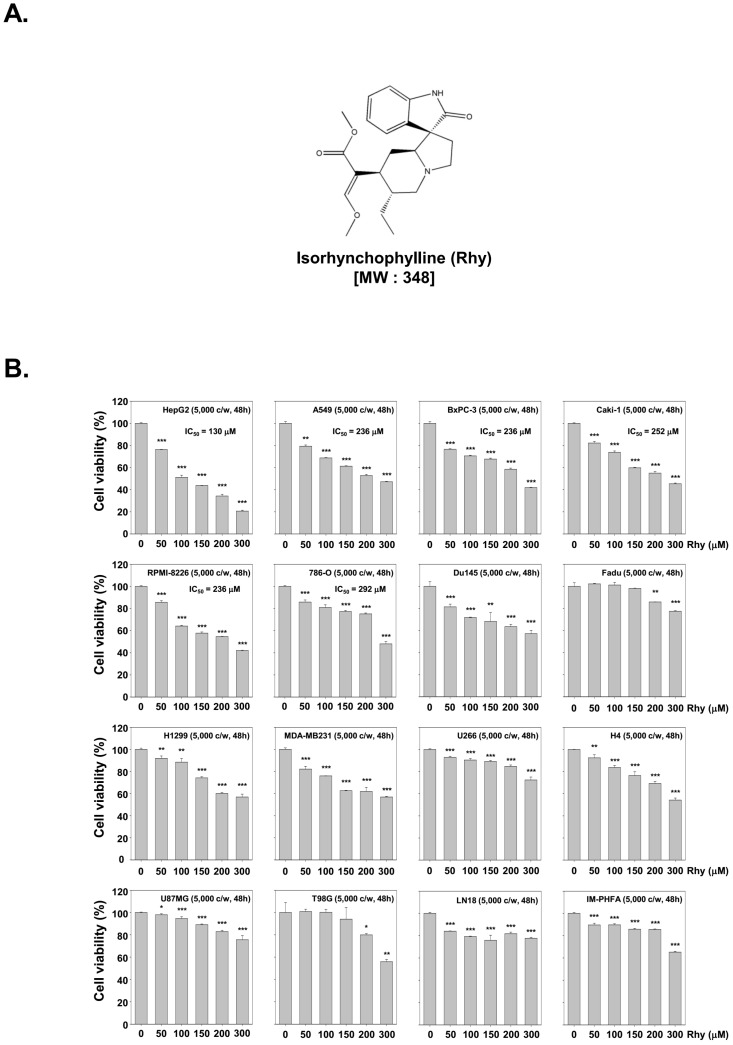
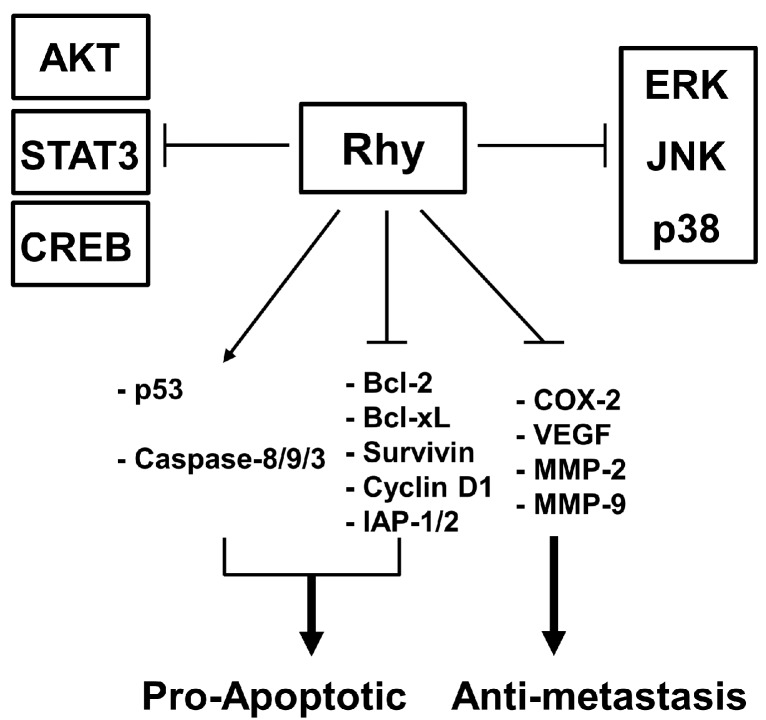
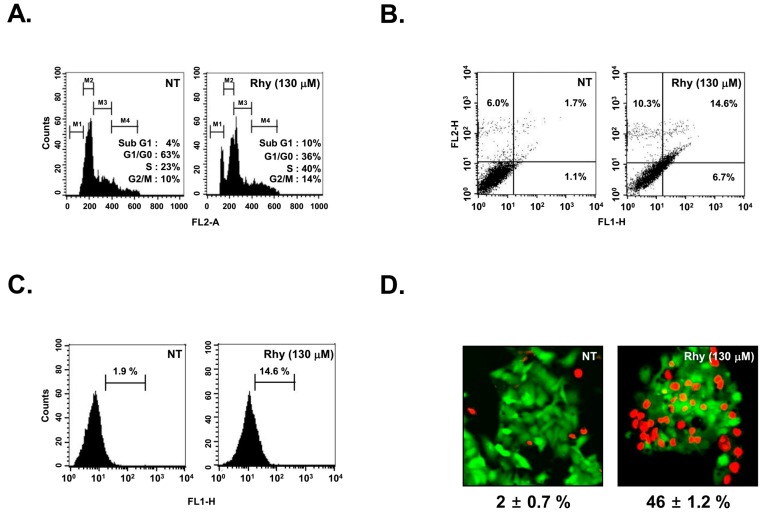
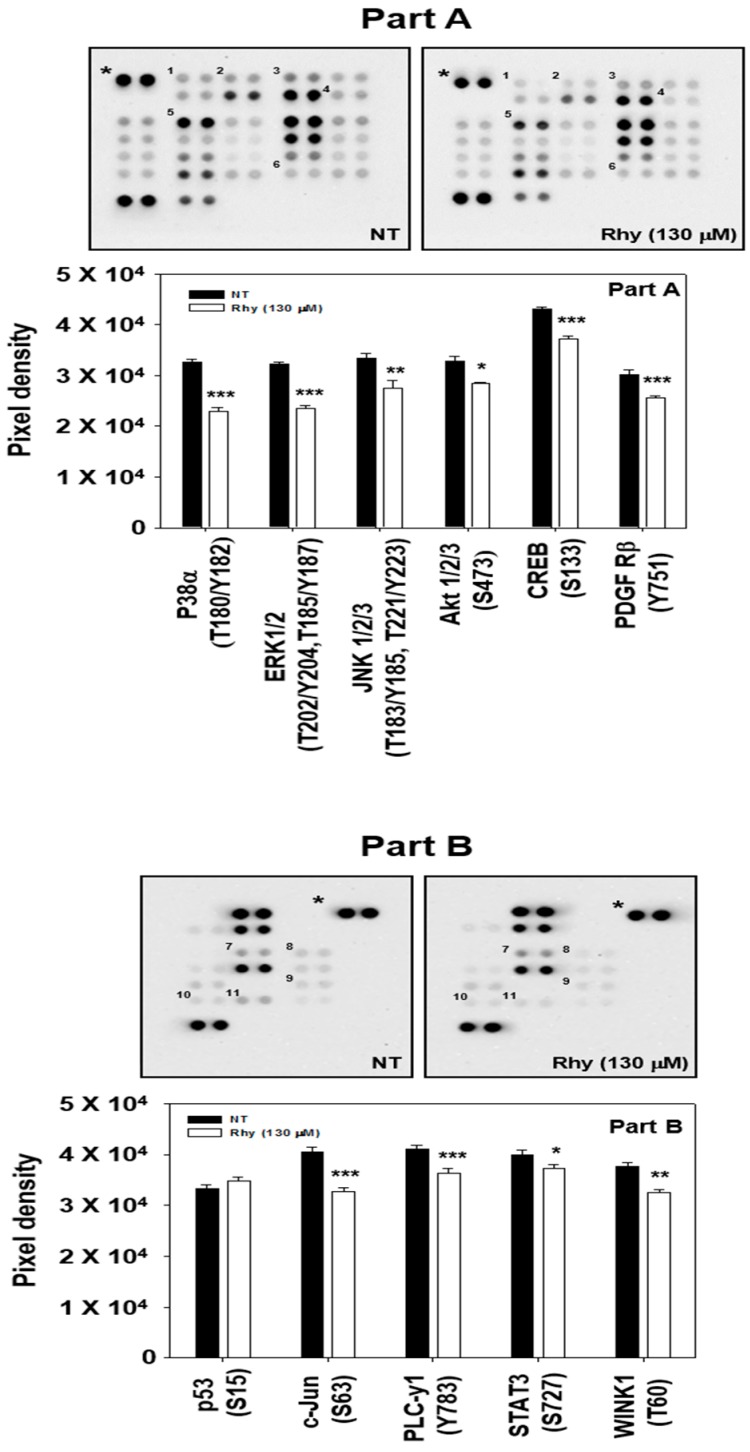
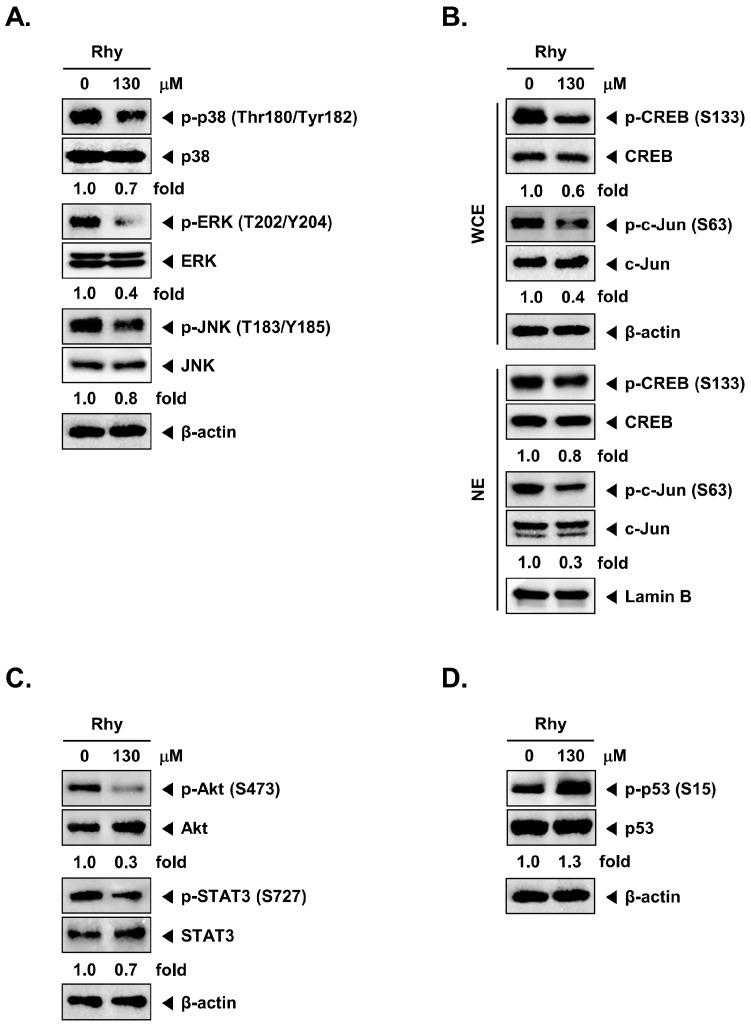
Isorhynchophylline (Rhy) is an active pharmacological component of that has been reported previously to exert significant antihypertensive and neuroprotective effects. However, very little is known about its potential anti-cancer activities. This study was carried out to evaluate the anticancer effects of Rhy against various human carcinoma cell lines. We found that Rhy exhibited substantial cytotoxic effect against human hepatocellular carcinoma HepG2 cells when compared with other human carcinoma cell lines including those of lung, pancreas, prostate, head and neck, breast, multiple myeloma, brain and renal cell carcinoma. Rhy induced apoptosis as characterized by accumulation of cells in sub G1 phase; positive Annexin V binding; activation of caspase-8, -9, and -3; and cleavage of PARP (poly-ADP ribose polymerase). This effect of Rhy correlated with the down-regulation of various proteins that mediated cell proliferation, cell survival, metastasis, and angiogenesis. Moreover, cell proliferation, migration, and constitutive CXCR4 (C-X-C chemokine receptor type 4), MMP-9 (Matrix metallopeptidase-9), and MMP-2 expression were inhibited upon Rhy treatment. We further investigated the effect of Rhy on the oncogenic cell signaling cascades through phospho-kinase array profiling assay. Rhy was found to abrogate phospho-p38, ERK, JNK, CREB, c-Jun, Akt, and STAT3 signals, but interestingly enhanced phospho-p53 signal. Overall, our results indicate, for the first time, that Rhy could exert anticancer and anti-metastatic effects through regulation of multiple signaling cascades in hepatocellular carcinoma cells.
异钩藤碱(Rhy)是一种……的活性药理成分,此前已有报道称其具有显著的降压和神经保护作用。然而,关于其潜在的抗癌活性却知之甚少。本研究旨在评估Rhy对各种人类癌细胞系的抗癌作用。我们发现,与其他人类癌细胞系(包括肺癌、胰腺癌、前列腺癌、头颈癌、乳腺癌、多发性骨髓瘤、脑癌和肾细胞癌的细胞系)相比,Rhy对人肝癌HepG2细胞表现出显著的细胞毒性作用。Rhy诱导细胞凋亡,其特征为亚G1期细胞积累;膜联蛋白V结合阳性;半胱天冬酶-8、-9和-3激活;以及聚(ADP-核糖)聚合酶(PARP)裂解。Rhy的这种作用与介导细胞增殖、细胞存活、转移和血管生成的各种蛋白质的下调相关。此外,Rhy处理后抑制了细胞增殖、迁移以及组成型C-X-C趋化因子受体4(CXCR4)、基质金属肽酶-9(MMP-9)和MMP-2的表达。我们通过磷酸化激酶阵列分析进一步研究了Rhy对致癌细胞信号级联的影响。发现Rhy消除了磷酸化p38、细胞外信号调节激酶(ERK)、应激活化蛋白激酶(JNK)、环磷腺苷效应元件结合蛋白(CREB)、c-Jun、蛋白激酶B(Akt)和信号转导子和转录激活子3(STAT3)信号,但有趣的是增强了磷酸化p53信号。总体而言,我们的结果首次表明,Rhy可通过调节肝癌细胞中的多个信号级联发挥抗癌和抗转移作用。