Industrial and Management Systems Engineering, West Virginia University, Morgantown, WV 26506, USA.
Montgomery-Downs Lab, Blanchette Rockefeller Neuroscience Institute, West Virginia University, Morgantown, WV 26506, USA.
Sensors (Basel). 2017 May 19;17(5):1164. doi: 10.3390/s17051164.
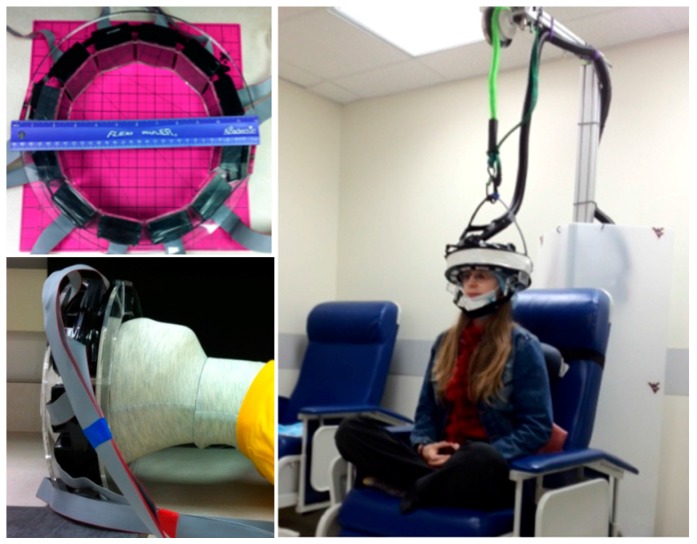
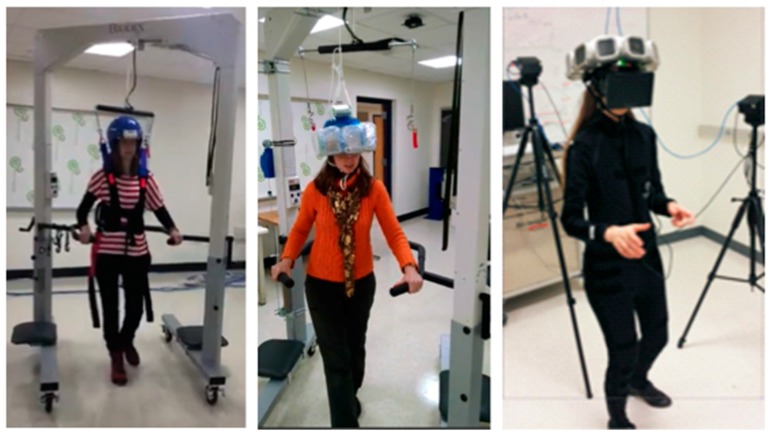
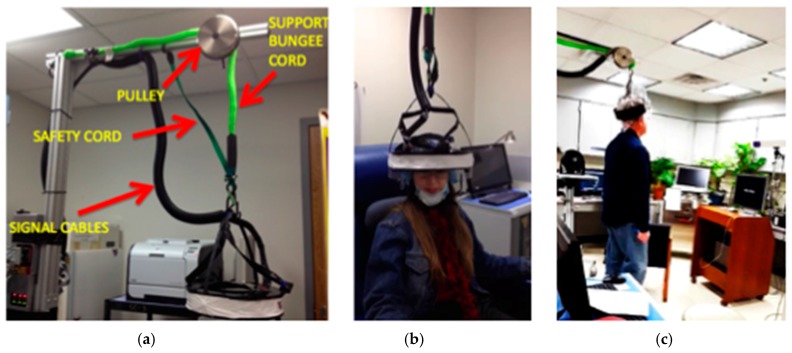
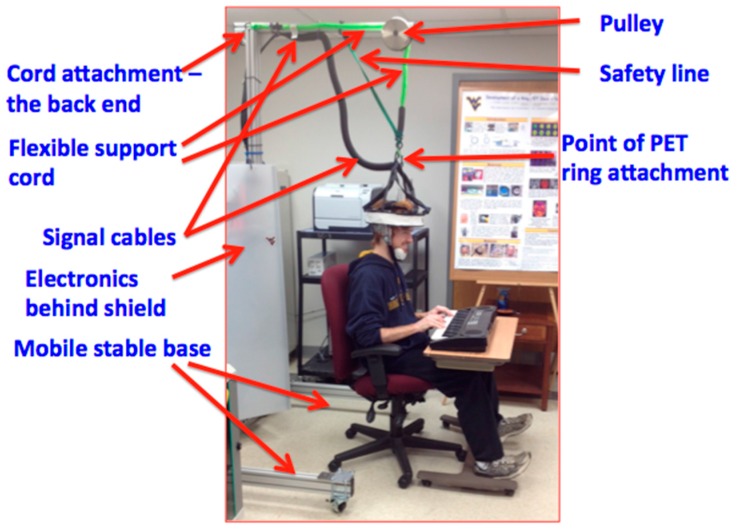
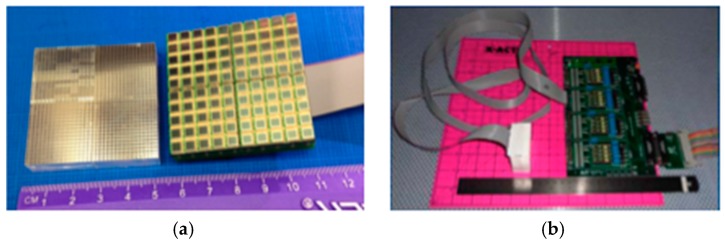
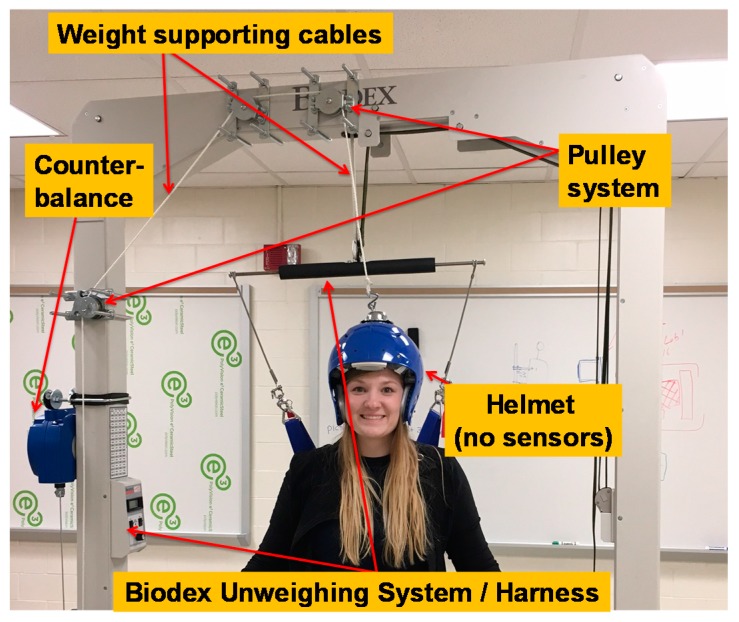
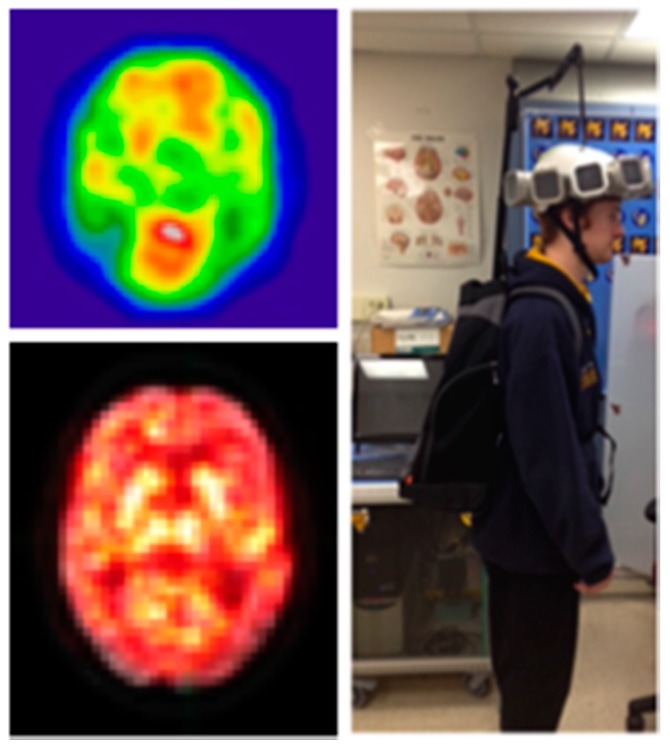
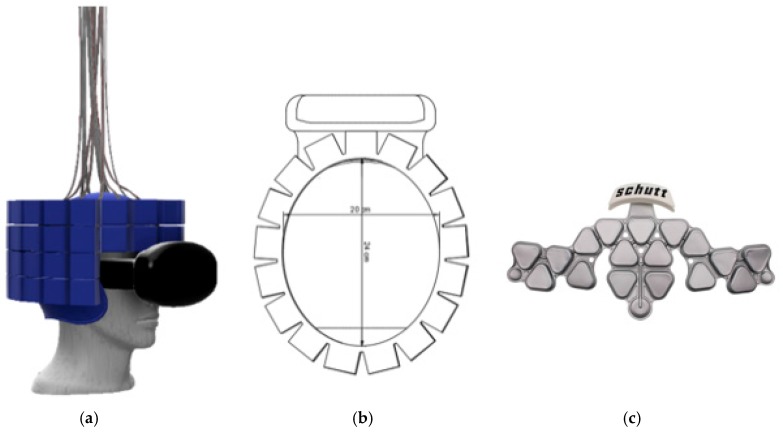
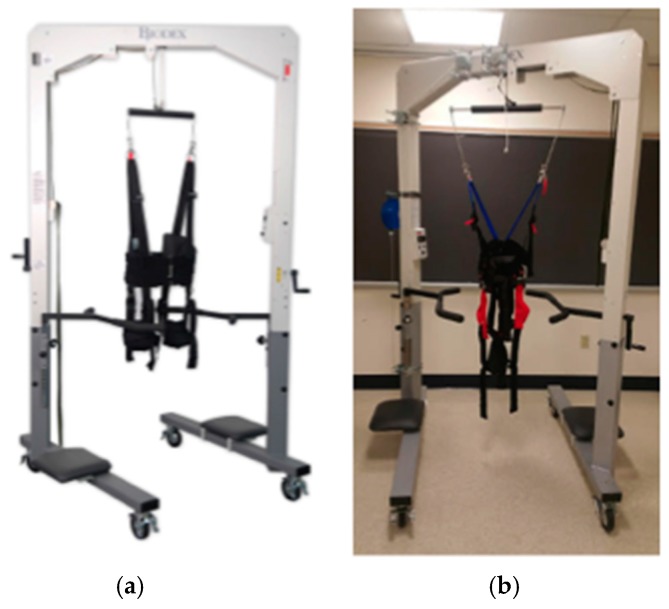
Several applications exist for a whole brain positron-emission tomography (PET) brain imager designed as a portable unit that can be worn on a patient's head. Enabled by improvements in detector technology, a lightweight, high performance device would allow PET brain imaging in different environments and during behavioral tasks. Such a wearable system that allows the subjects to move their heads and walk-the Ambulatory Microdose PET (AM-PET)-is currently under development. This imager will be helpful for testing subjects performing selected activities such as gestures, virtual reality activities and walking. The need for this type of lightweight mobile device has led to the construction of a proof of concept portable head-worn unit that uses twelve silicon photomultiplier (SiPM) PET module sensors built into a small ring which fits around the head. This paper is focused on the engineering design of mechanical support aspects of the AM-PET project, both of the current device as well as of the coming next-generation devices. The goal of this work is to optimize design of the scanner and its mechanics to improve comfort for the subject by reducing the effect of weight, and to enable diversification of its applications amongst different research activities.
有几种应用需要一种设计为便携式的全脑正电子发射断层扫描(PET)脑成像仪,可佩戴在患者头部。通过探测器技术的改进,可以实现一种轻便、高性能的设备,从而可以在不同环境和行为任务中进行 PET 脑成像。目前正在开发一种可让受试者移动头部和行走的可穿戴式微剂量 PET(AM-PET)系统。这种成像仪将有助于测试受试者执行特定活动,如手势、虚拟现实活动和行走。对这种轻量级移动设备的需求导致构建了一个概念验证的便携式头戴式单元,该单元使用十二硅光电倍增管(SiPM)PET 模块传感器,集成在一个适合环绕头部的小环中。本文重点介绍 AM-PET 项目的机械支撑方面的工程设计,包括当前设备和下一代设备。这项工作的目标是通过减轻重量来优化扫描仪及其机械结构的设计,以提高受试者的舒适度,并使其在不同的研究活动中多样化应用。