Harris David T
Department of Immunobiology, University of Arizona, PO Box 245221, Tucson, AZ 85724, USA.
Biomedicines. 2014 Feb 26;2(1):50-79. doi: 10.3390/biomedicines2010050.
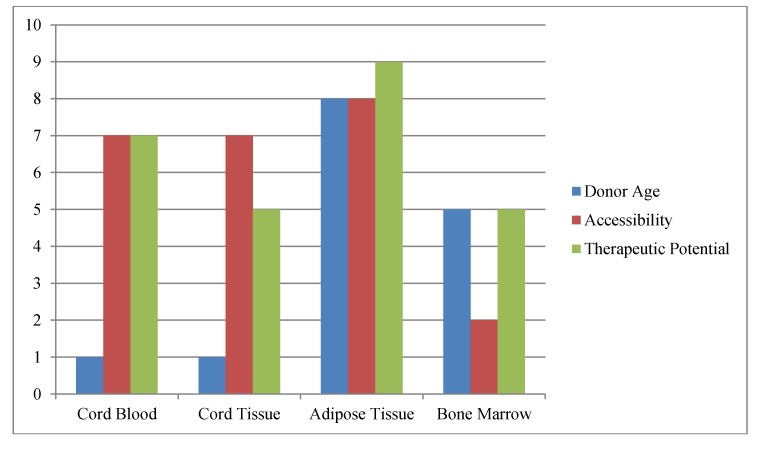
Regenerative medicine, tissue engineering and gene therapy offer the opportunity to treat and cure many of today's intractable afflictions. These approaches to personalized medicine often utilize stem cells to accomplish these goals. However, stem cells can be negatively affected by donor variables such as age and health status at the time of collection, compromising their efficacy. Stem cell banking offers the opportunity to cryogenically preserve stem cells at their most potent state for later use in these applications. Practical stem cell sources include bone marrow, umbilical cord blood and tissue, and adipose tissue. Each of these sources contains stem cells that can be obtained from most individuals, without too much difficulty and in an economical fashion. This review will discuss the advantages and disadvantages of each stem cell source, factors to be considered when contemplating banking each stem cell source, the methodology required to bank each stem cell source, and finally, current and future clinical uses of each stem cell source.
再生医学、组织工程和基因治疗为治疗和治愈当今许多棘手的疾病提供了机会。这些个性化医疗方法通常利用干细胞来实现这些目标。然而,干细胞可能会受到诸如采集时的年龄和健康状况等供体变量的负面影响,从而损害其疗效。干细胞库提供了将干细胞在其最具活力的状态下进行低温保存,以供日后在这些应用中使用的机会。实际的干细胞来源包括骨髓、脐带血和组织以及脂肪组织。这些来源中的每一种都含有干细胞,大多数人都可以相对轻松且经济地从中获取。本综述将讨论每种干细胞来源的优缺点、考虑储存每种干细胞来源时需要考虑的因素、储存每种干细胞来源所需的方法,最后,还将讨论每种干细胞来源当前和未来的临床应用。