Viglianti Lucia, Leung Nelson L C, Xie Ni, Gu Xinggui, Sung Herman H Y, Miao Qian, Williams Ian D, Licandro Emanuela, Tang Ben Zhong
HKUST Shenzhen Research Institute , No. 9 Yuexing 1st Road, South Area, Hi-tech Park, Nanshan , Shenzhen 518057 , China.
Department of Chemistry , Hong Kong Branch of Chinese National Engineering Research Center for Tissue Restoration and Reconstruction , Institute for Advanced Study , Division of Biomedical Engineering , Division of Life Science , State Key Laboratory of Molecular Neuroscience , Institute of Molecular Functional Materials , The Hong Kong University of Science and Technology , Clear Water Bay , Kowloon , Hong Kong , China . Email:
Chem Sci. 2017 Apr 1;8(4):2629-2639. doi: 10.1039/c6sc05192h. Epub 2017 Jan 11.
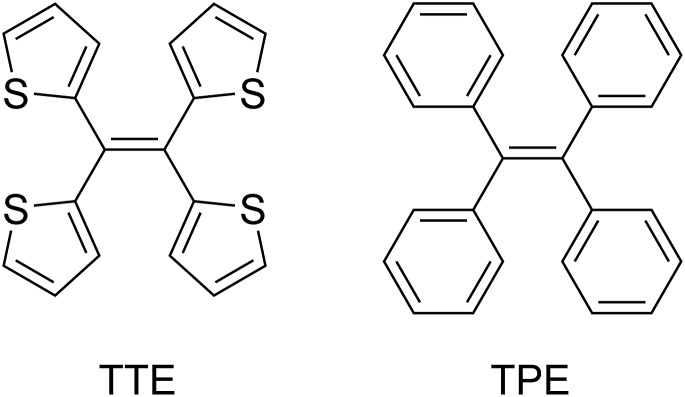
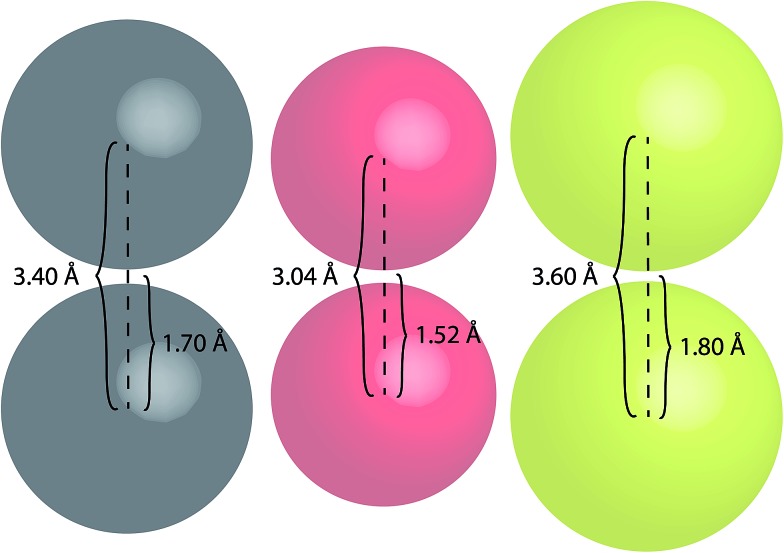
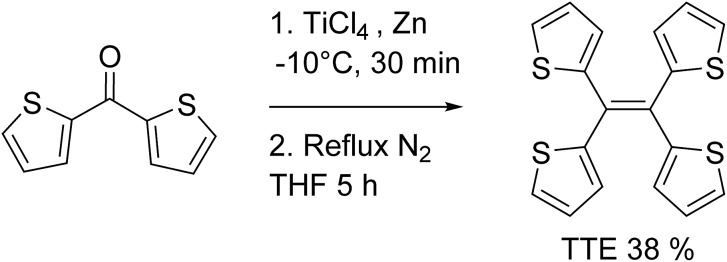
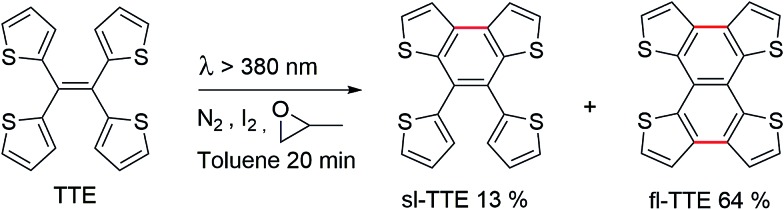
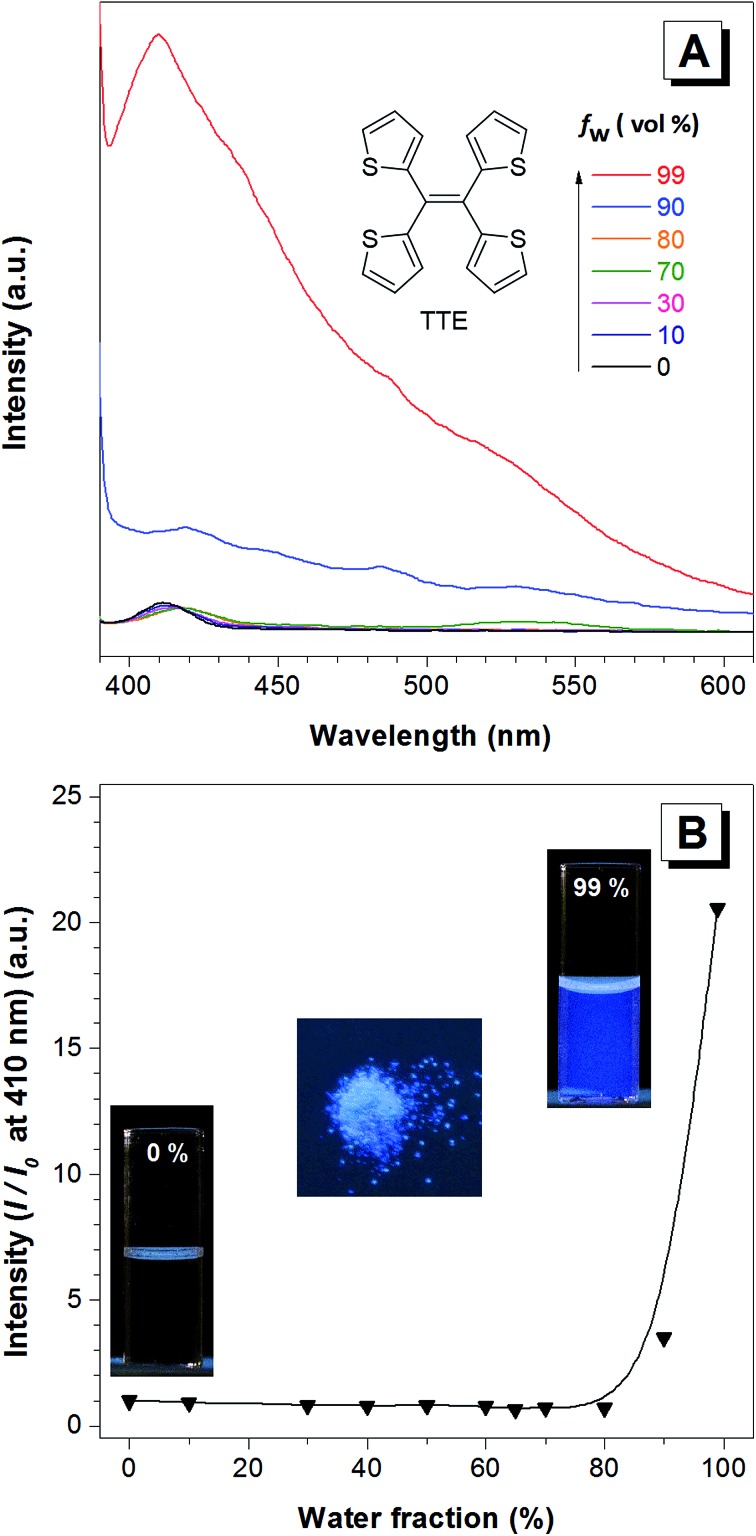
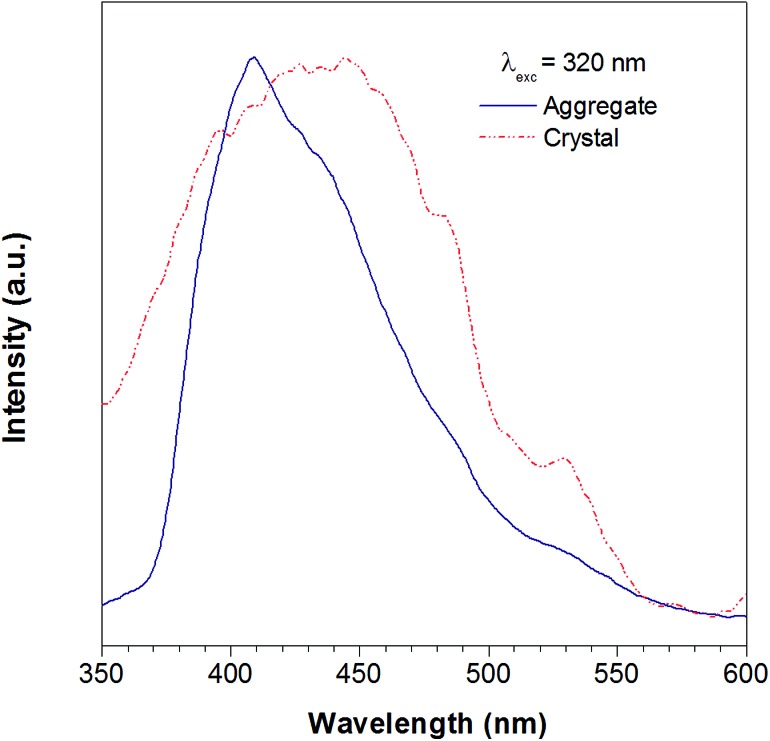
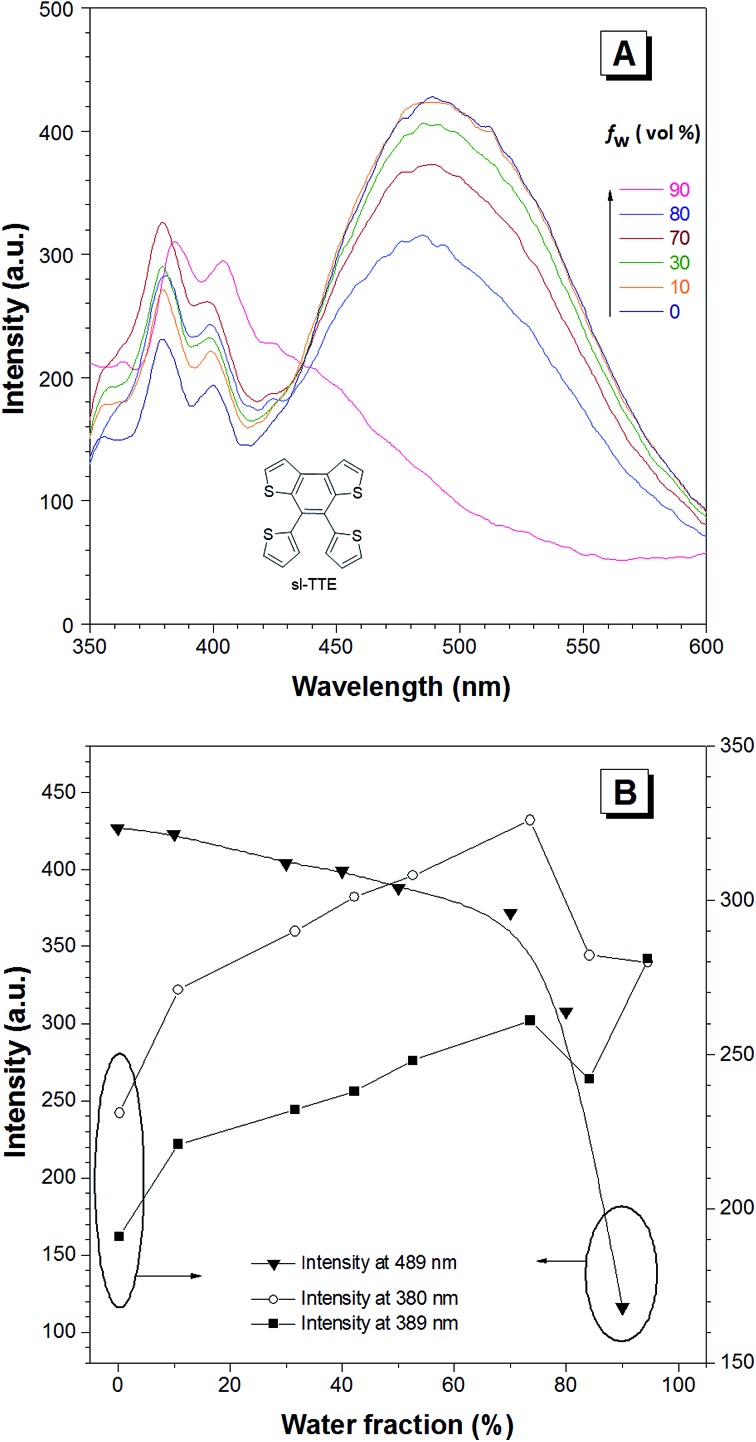
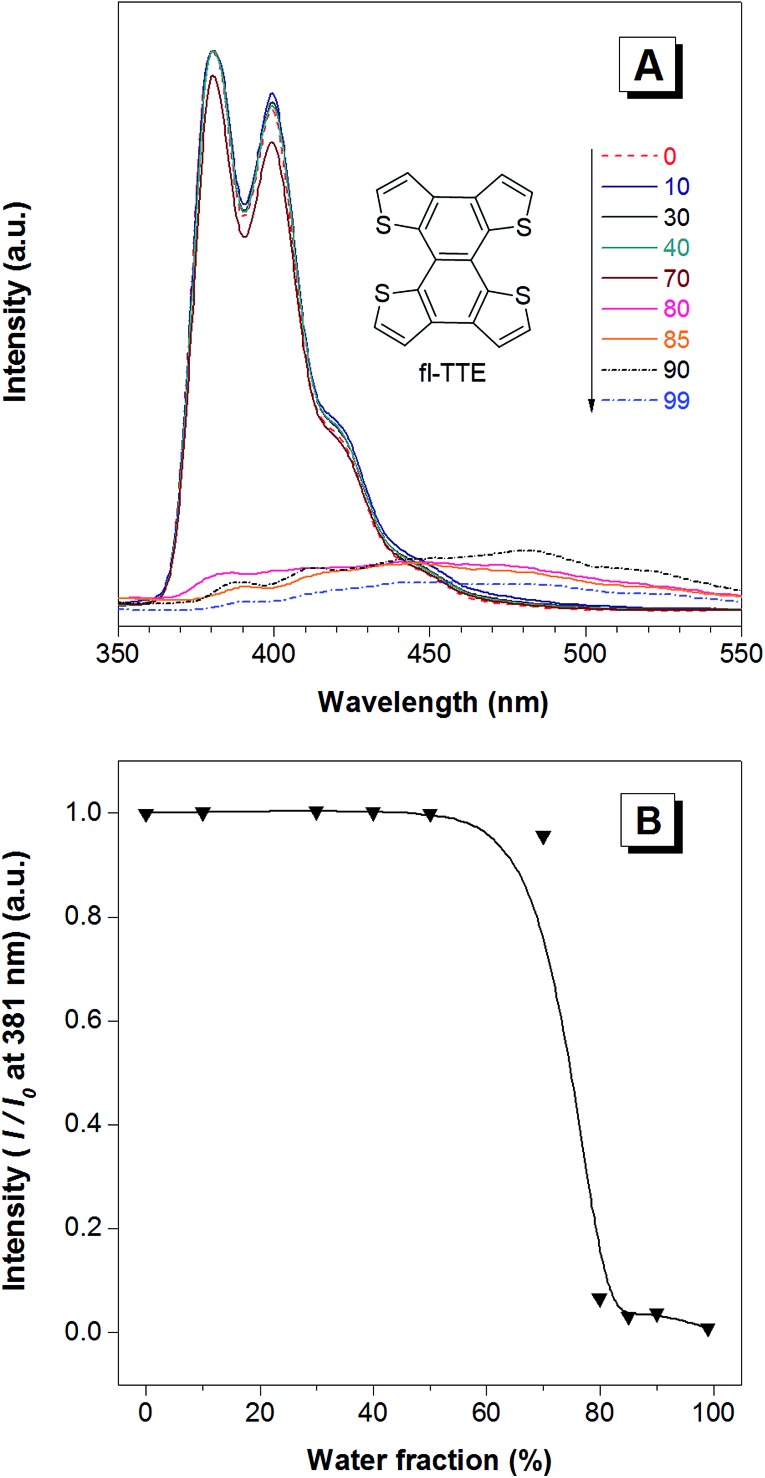
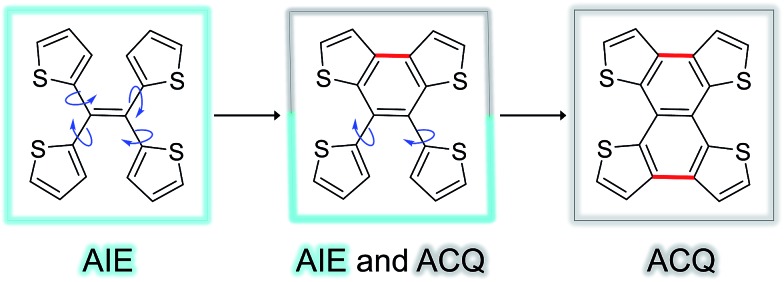
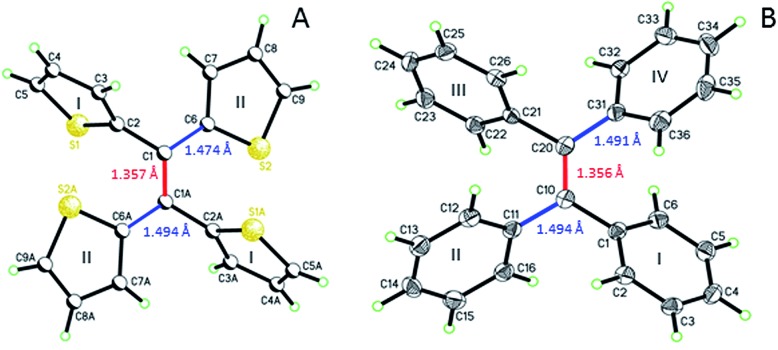
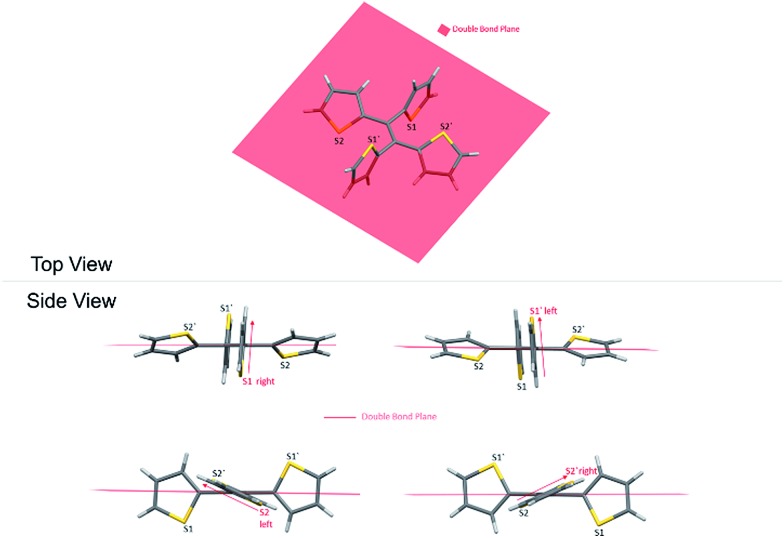
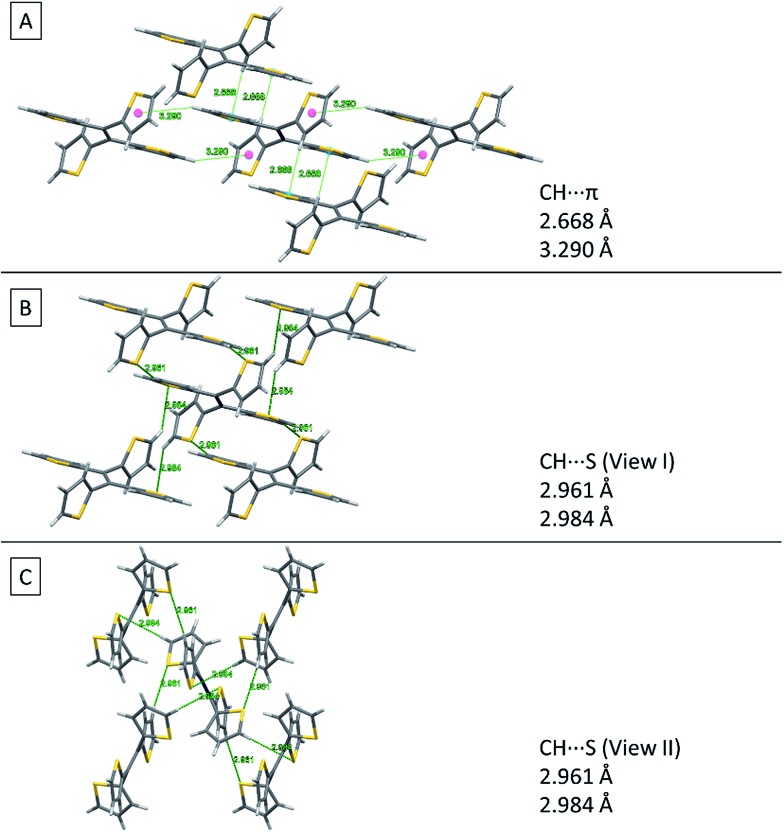
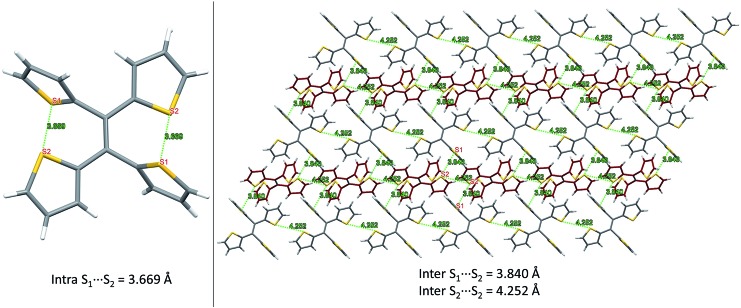
In this work we have investigated the aggregation-induced emission (AIE) behaviour of 1,1,2,2-tetra(thiophen-2-yl)ethene (tetrathienylethene, TTE). The semi-locked and fully-locked derivatives (sl-TTE and fl-TTE) have been synthesized to better understand the mechanism behind the solid state photoluminescence of TTE. TTE is a typical AIEgen and its luminescence can be explained through the mechanistic understanding of the restriction of intramolecular motions (RIM). The emissive behaviour of TTE in the THF/water aggregates and crystal state have also been studied, revealing a remarkable red-shift of 35 nm. A similar red-shift emission of 37 nm from the THF/water aggregates to the crystal state is also observed for ()-1,2-di(thiophen-2-yl)ethene (-dithienylethene, DTE). Crystal analysis has revealed that the emission red-shifts are ascribable to the presence of strong sulfur-sulfur (S···S) intra- and intermolecular interactions that are as close as 3.669 Å for TTE and 3.679 Å for DTE. These heteroatom interactions could help explain the photoluminescence of non-conventional luminophores as well as the luminescence of non-conjugated biomacromolecules.
在本研究中,我们研究了1,1,2,2-四(噻吩-2-基)乙烯(四噻吩乙烯,TTE)的聚集诱导发光(AIE)行为。合成了半锁定和全锁定衍生物(sl-TTE和fl-TTE),以更好地理解TTE固态光致发光背后的机制。TTE是一种典型的聚集诱导发光体,其发光可通过对分子内运动受限(RIM)的机理理解来解释。还研究了TTE在四氢呋喃/水聚集体和晶体状态下的发光行为,发现有35 nm的显著红移。对于()-1,2-二(噻吩-2-基)乙烯(-二噻吩乙烯,DTE),从四氢呋喃/水聚集体到晶体状态也观察到了37 nm的类似红移发射。晶体分析表明,发射红移归因于存在强的硫-硫(S···S)分子内和分子间相互作用,TTE的这种相互作用距离为3.669 Å,DTE为3.679 Å。这些杂原子相互作用有助于解释非常规发光体的光致发光以及非共轭生物大分子的发光。