Chuang Ting-Wu, Chaves Luis Fernando, Chen Po-Jiang
Department of Molecular Parasitology and Tropical Diseases, School of Medicine, College of Medicine, Taipei Medical University, Taipei, Taiwan.
Centro de Investigaciones en Enfermedades Tropicales, Universidad de Costa Rica, San Pedro de Montes de Oca, Costa Rica.
PLoS One. 2017 Jun 2;12(6):e0178698. doi: 10.1371/journal.pone.0178698. eCollection 2017.
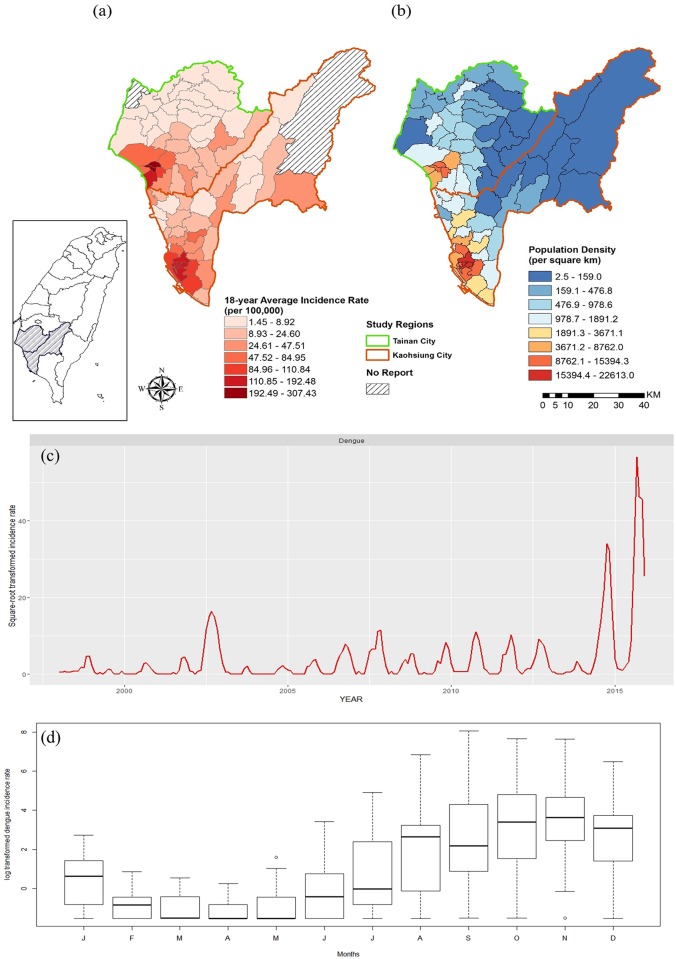
Southern Taiwan has been a hotspot for dengue fever transmission since 1998. During 2014 and 2015, Taiwan experienced unprecedented dengue outbreaks and the causes are poorly understood. This study aims to investigate the influence of regional and local climate conditions on the incidence of dengue fever in Taiwan, as well as to develop a climate-based model for future forecasting.
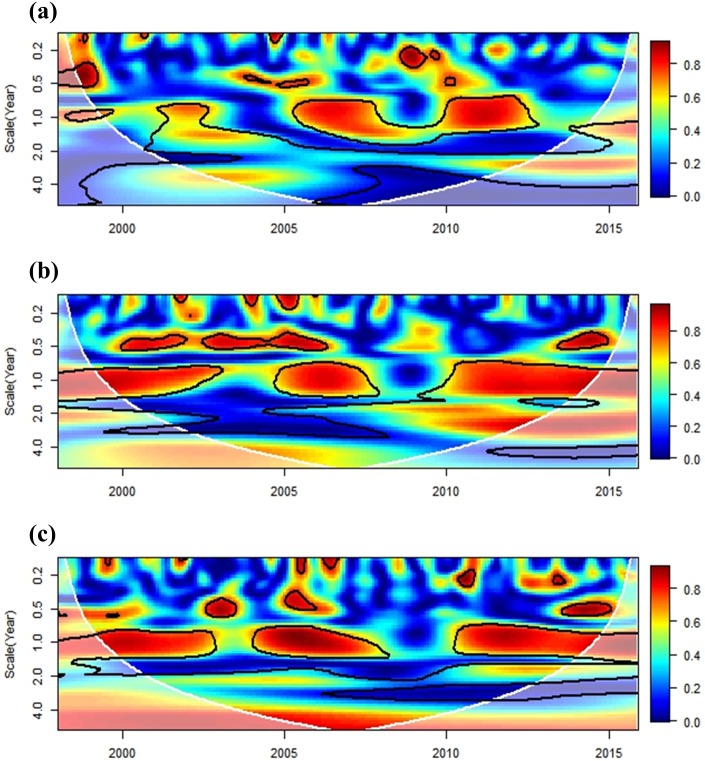
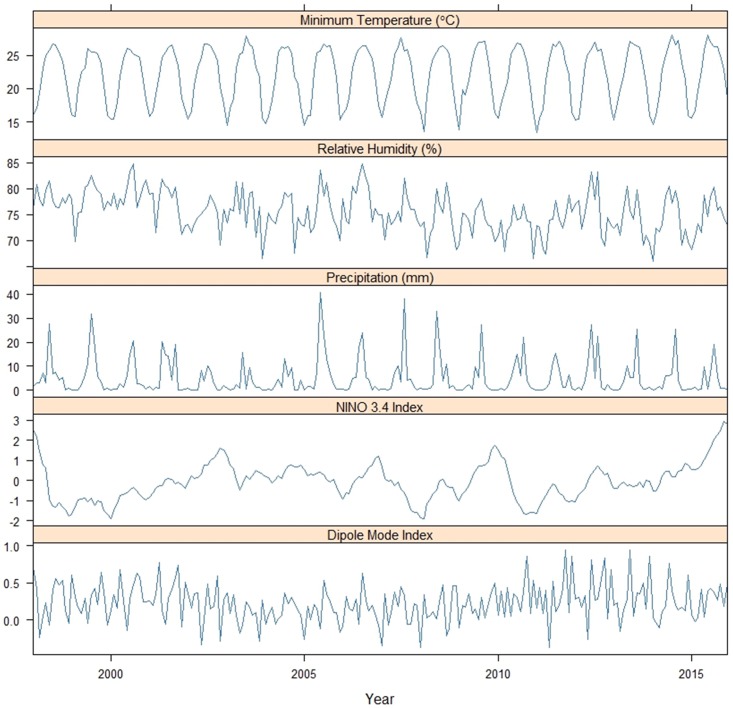
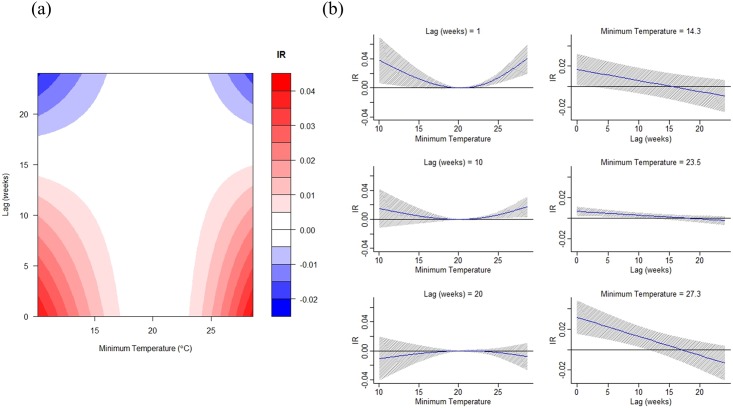
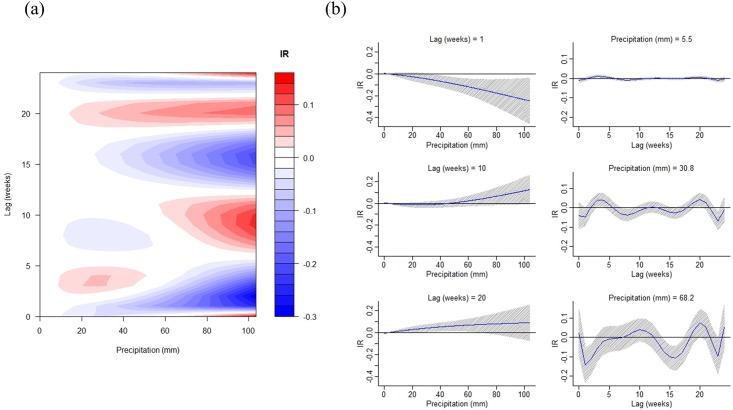
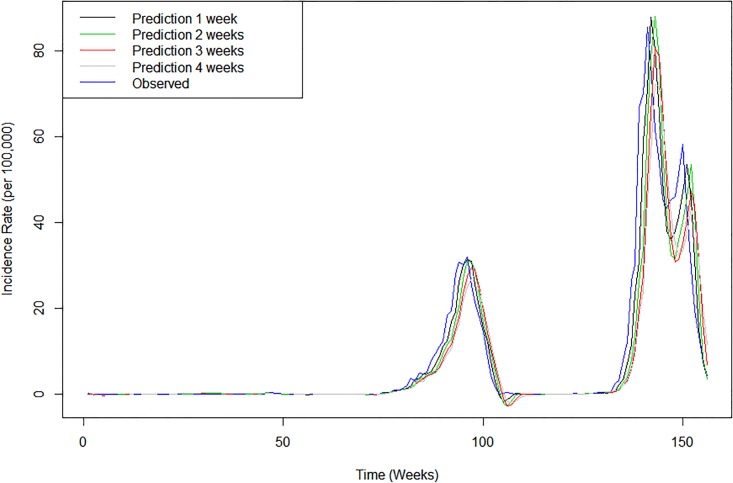
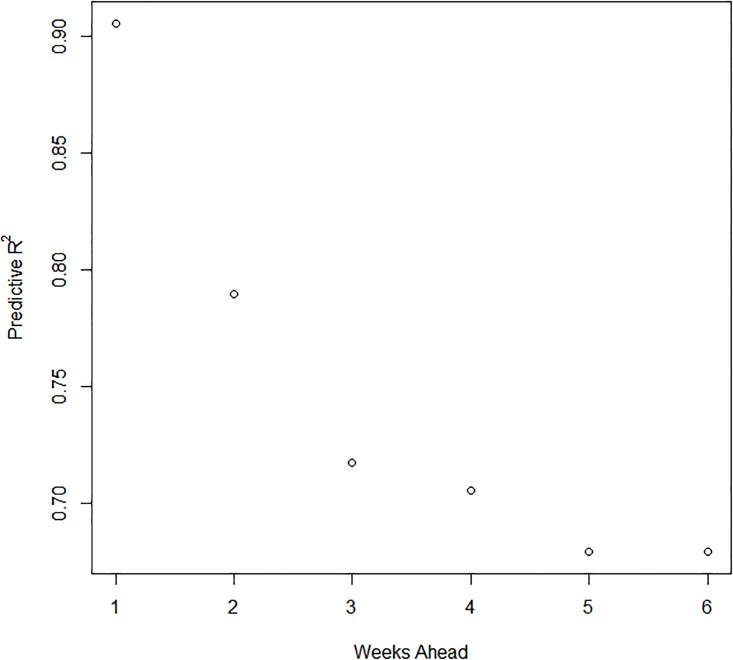
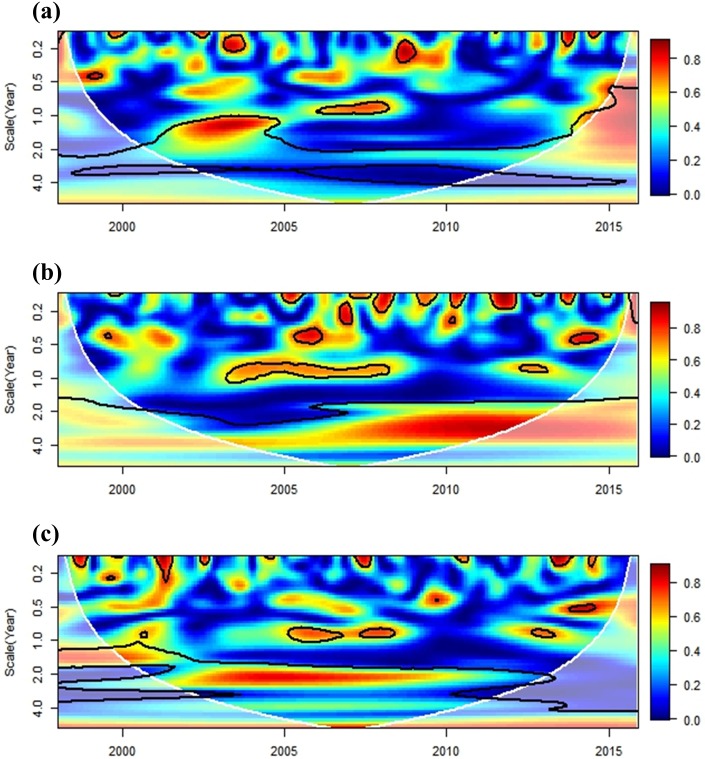
METHODOLOGY/PRINCIPLE FINDINGS: Historical time-series data on dengue outbreaks in southern Taiwan from 1998 to 2015 were investigated. Local climate variables were analyzed using a distributed lag non-linear model (DLNM), and the model of best fit was used to predict dengue incidence between 2013 and 2015. The cross-wavelet coherence approach was used to evaluate the regional El Niño Southern Oscillation (ENSO) and Indian Ocean Dipole (IOD) effects on dengue incidence and local climate variables. The DLNM results highlighted the important non-linear and lag effects of minimum temperature and precipitation. Minimum temperature above 23°C or below 17°C can increase dengue incidence rate with lag effects of 10 to 15 weeks. Moderate to high precipitation can increase dengue incidence rates with a lag of 10 or 20 weeks. The model of best fit successfully predicted dengue transmission between 2013 and 2015. The prediction accuracy ranged from 0.7 to 0.9, depending on the number of weeks ahead of the prediction. ENSO and IOD were associated with nonstationary inter-annual patterns of dengue transmission. IOD had a greater impact on the seasonality of local climate conditions.
CONCLUSIONS/SIGNIFICANCE: Our findings suggest that dengue transmission can be affected by regional and local climatic fluctuations in southern Taiwan. The climate-based model developed in this study can provide important information for dengue early warning systems in Taiwan. Local climate conditions might be influenced by ENSO and IOD, to result in unusual dengue outbreaks.
自1998年以来,台湾南部一直是登革热传播的热点地区。在2014年和2015年期间,台湾经历了前所未有的登革热疫情,但其原因尚不清楚。本研究旨在调查区域和当地气候条件对台湾登革热发病率的影响,并建立一个基于气候的模型用于未来预测。
方法/主要发现:对1998年至2015年台湾南部登革热疫情的历史时间序列数据进行了调查。使用分布滞后非线性模型(DLNM)分析当地气候变量,并使用最佳拟合模型预测2013年至2015年的登革热发病率。采用交叉小波相干方法评估区域厄尔尼诺南方涛动(ENSO)和印度洋偶极子(IOD)对登革热发病率和当地气候变量的影响。DLNM结果突出了最低温度和降水的重要非线性和滞后效应。23°C以上或17°C以下的最低温度可使登革热发病率增加,滞后效应为10至15周。中度至高度降水可使登革热发病率增加,滞后10或20周。最佳拟合模型成功预测了2013年至2015年的登革热传播情况。预测准确率在0.7至0.9之间,具体取决于预测提前的周数。ENSO和IOD与登革热传播的非平稳年际模式有关。IOD对当地气候条件的季节性影响更大。
结论/意义:我们的研究结果表明,台湾南部的登革热传播可能受到区域和当地气候波动的影响。本研究中开发的基于气候的模型可为台湾的登革热预警系统提供重要信息。当地气候条件可能受到ENSO和IOD的影响,从而导致异常的登革热疫情爆发。