Department of Health Care Administration, Oriental Institute of Technology, No. 58, Sec. 2, Sichuan Rd., Banqiao Dist., New Taipei City, 22061, Taiwan.
Biomed Eng Online. 2018 Nov 6;17(Suppl 2):148. doi: 10.1186/s12938-018-0575-4.
Dengue fever is a leading cause of severe illness and hospitalization in Taiwan. This study sought to elucidate the linkage between dengue fever incidence and climate factors.
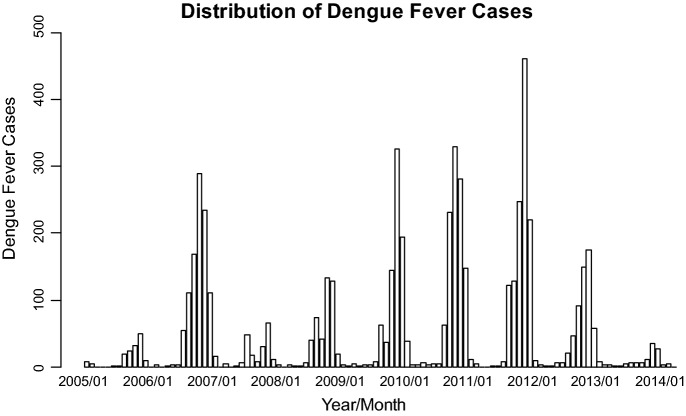
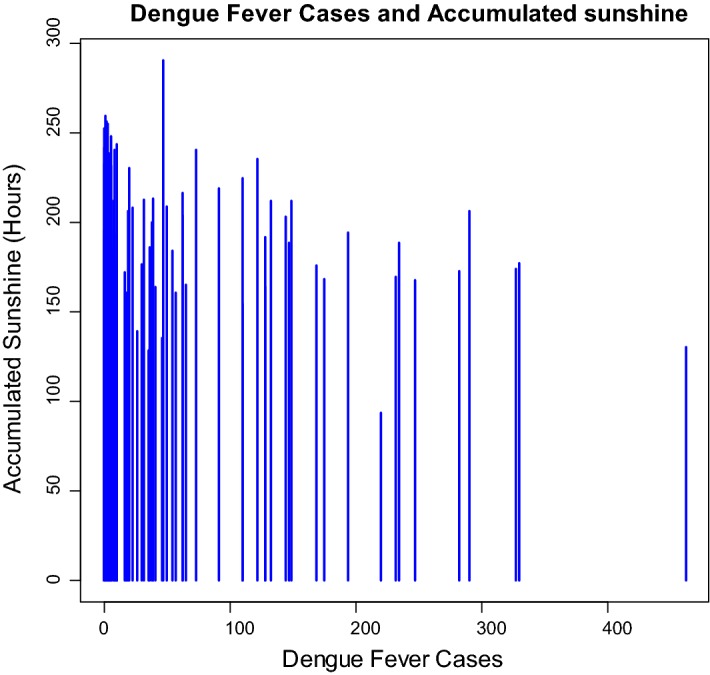
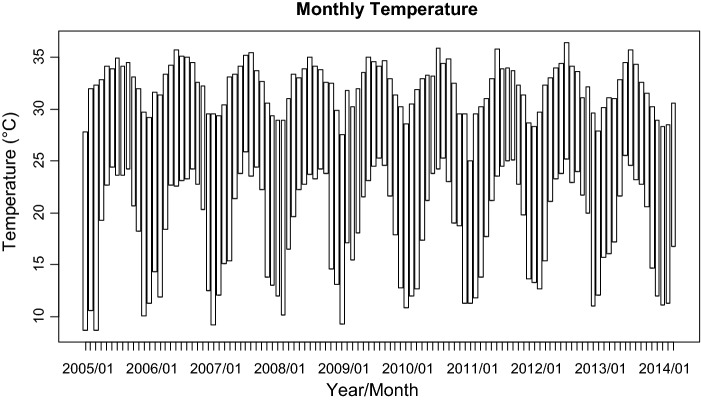
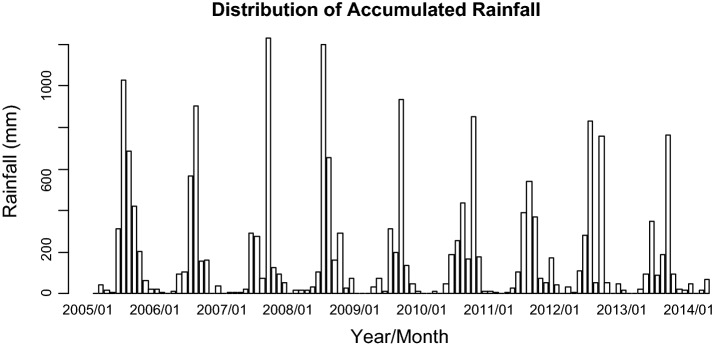
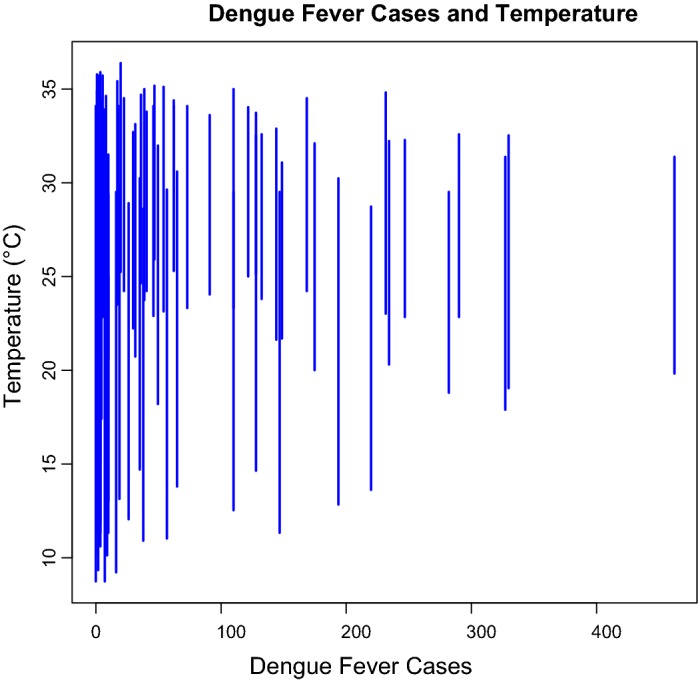
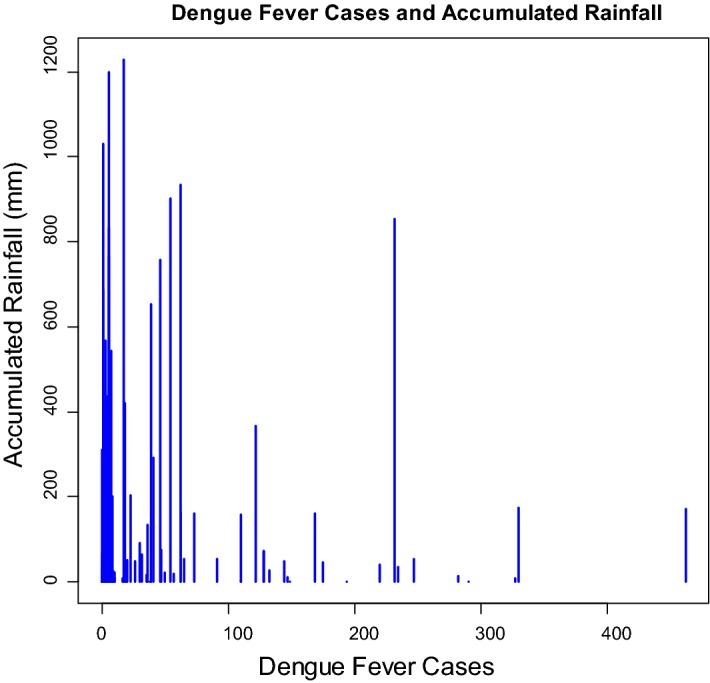
The result indicated that temperature, accumulated rainfall, and sunshine play an important role in the transmission cycles of dengue fever. A predictive model equation plots dengue fever incidence versus temperature, rainfall, and sunshine, and it suggests that temperature, rainfall, and sunshine are significantly correlated with dengue fever incidence.
The data suggests that climate factors are important determinants of dengue fever in southern Taiwan. Dengue fever viruses and the mosquito vectors are sensitive to their environment. Temperature, rainfall and sunshine have well-defined roles in the transmission cycle. This finding suggests that control of mosquito by climatic factor during high temperature seasons may be an important strategy for containing the burden of dengue fever.
登革热是导致台湾地区严重疾病和住院的主要原因。本研究旨在阐明登革热发病率与气候因素之间的联系。
结果表明,温度、累计降雨量和日照在登革热传播周期中起着重要作用。预测模型方程绘制了登革热发病率与温度、降雨量和日照的关系,表明温度、降雨量和日照与登革热发病率显著相关。
数据表明,气候因素是台湾南部登革热的重要决定因素。登革热病毒和蚊子媒介对环境敏感。温度、降雨量和日照在传播周期中起着明确的作用。这一发现表明,在高温季节通过气候因素控制蚊子可能是控制登革热负担的重要策略。