Australian Infectious Diseases Research Centre, School of Chemistry and Molecular Biosciences, The University of Queensland, St Lucia, 4072, Queensland, Australia.
Sci Rep. 2017 Jun 7;7(1):2940. doi: 10.1038/s41598-017-03120-1.
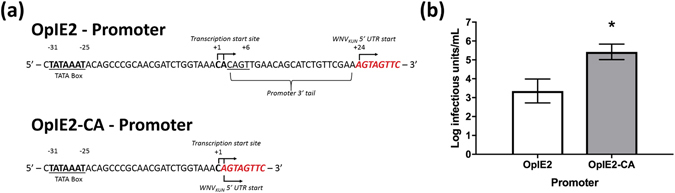
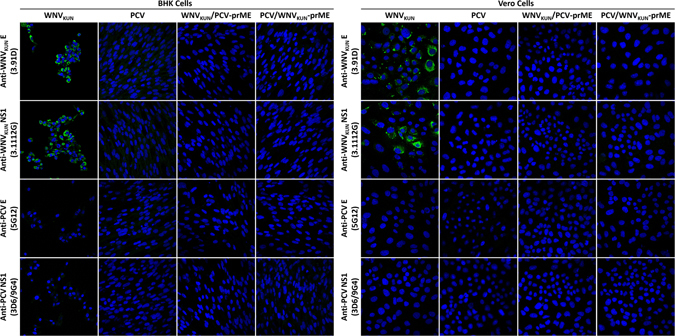
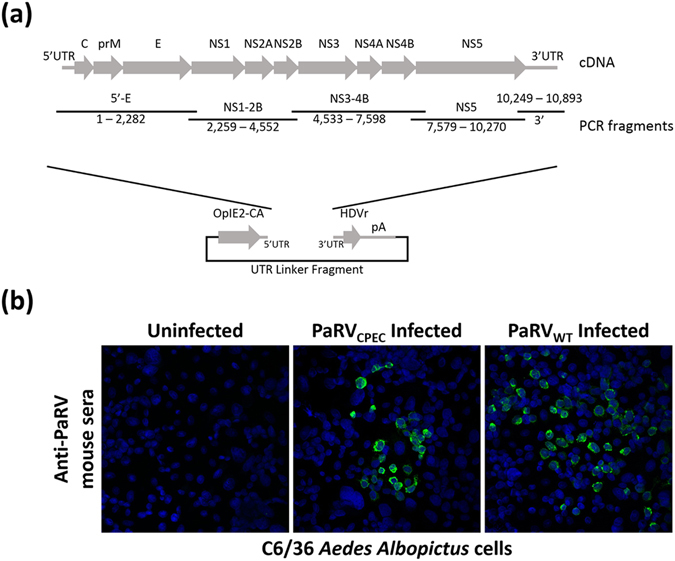
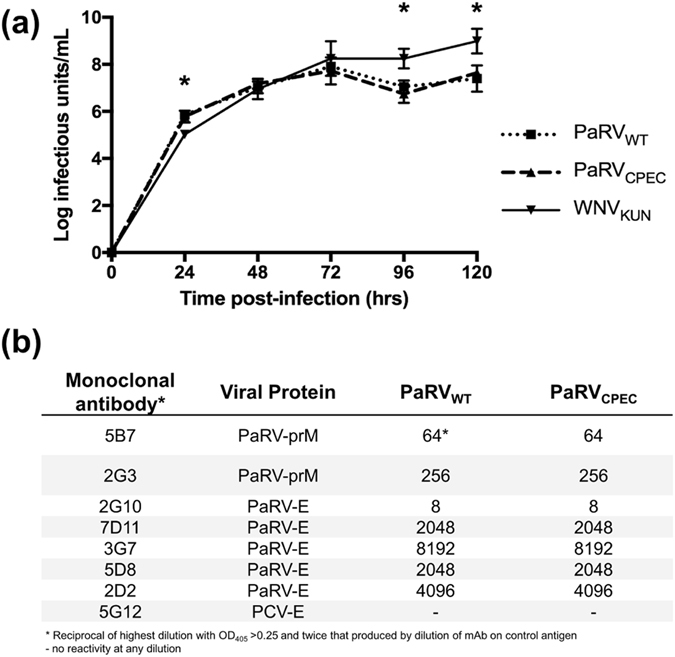
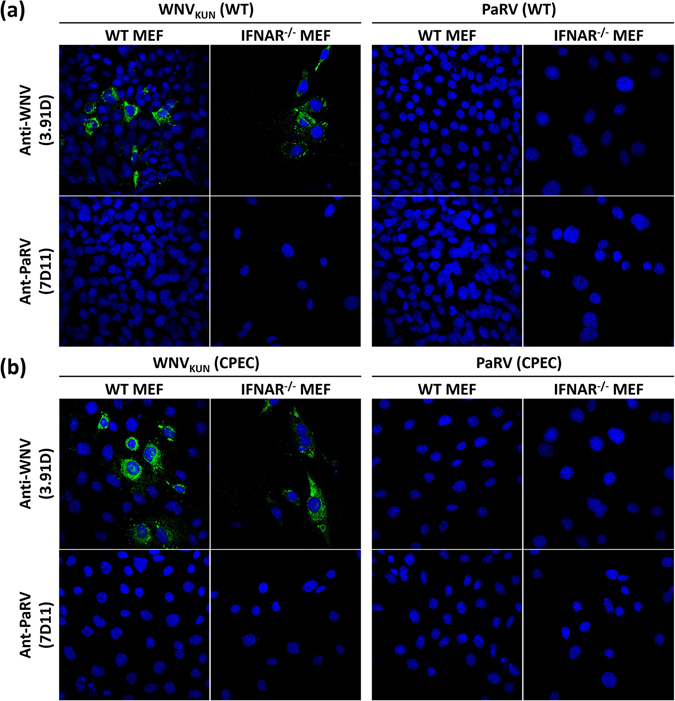
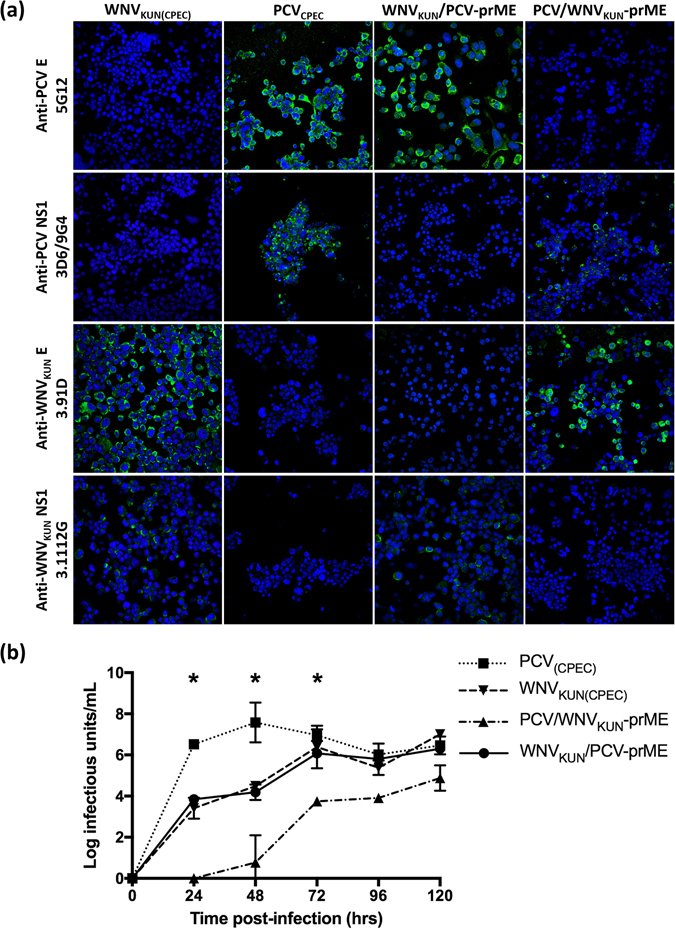
Flaviviruses such as West Nile virus (WNV), dengue virus and Zika virus are mosquito-borne pathogens that cause significant human diseases. A novel group of insect-specific flaviviruses (ISFs), which only replicate in mosquitoes, have also been identified. However, little is known about the mechanisms of ISF host restriction. We report the generation of infectious cDNA from two Australian ISFs, Parramatta River virus (PaRV) and Palm Creek virus (PCV). Using circular polymerase extension cloning (CPEC) with a modified OpIE2 insect promoter, infectious cDNA was generated and transfected directly into mosquito cells to produce infectious virus indistinguishable from wild-type virus. When infectious PaRV cDNA under transcriptional control of a mammalian promoter was used to transfect mouse embryo fibroblasts, the virus failed to initiate replication even when cell entry steps were by-passed and the type I interferon response was lacking. We also used CPEC to generate viable chimeric viruses between PCV and WNV. Analysis of these hybrid viruses revealed that ISFs are also restricted from replication in vertebrate cells at the point of entry. The approaches described here to generate infectious ISF DNAs and chimeric viruses provide unique tools to further dissect the mechanisms of their host restriction.
黄病毒属病毒(WNV)、登革热病毒和寨卡病毒等蚊媒病原体可引起严重的人类疾病。最近还发现了一类新型的昆虫特异性黄病毒(ISFs),这类病毒只能在蚊子中复制。然而,对于 ISF 宿主限制的机制知之甚少。我们报告了从两种澳大利亚 ISFs(帕拉玛塔河病毒(PaRV)和棕榈溪病毒(PCV))中生成传染性 cDNA。使用带有改良 OpIE2 昆虫启动子的环形聚合酶延伸克隆(CPEC),生成了传染性 cDNA,并直接转染到蚊子细胞中,产生的病毒与野生型病毒无法区分。当使用受哺乳动物启动子转录控制的传染性 PaRV cDNA 转染鼠胚胎成纤维细胞时,即使绕过细胞进入步骤且缺乏 I 型干扰素反应,病毒也无法启动复制。我们还使用 CPEC 生成了 PCV 和 WNV 之间的活细胞嵌合病毒。对这些杂交病毒的分析表明,ISFs 在进入脊椎动物细胞时也受到限制而无法复制。这里描述的生成传染性 ISF DNA 和嵌合病毒的方法为进一步剖析其宿主限制机制提供了独特的工具。