Kumaraswamy N, Khatam Hamed, Reece Gregory P, Fingeret Michelle C, Markey Mia K, Ravi-Chandar Krishnaswamy
Department of Biomedical Engineering, The University of Texas at Austin, Austin, TX, United States; Department of Plastic Surgery, The University of Texas MD Anderson Cancer Center, Houston, TX, United States.
Department of Plastic Surgery, The University of Texas MD Anderson Cancer Center, Houston, TX, United States; Department of Aerospace Engineering and Engineering Mechanics, The University of Texas at Austin, Austin, TX, United States.
J Mech Behav Biomed Mater. 2017 Oct;74:164-175. doi: 10.1016/j.jmbbm.2017.05.027. Epub 2017 May 19.
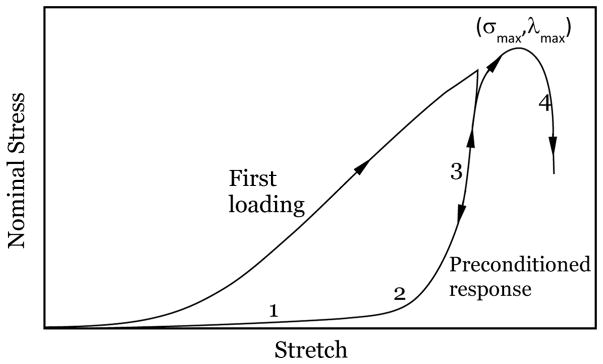
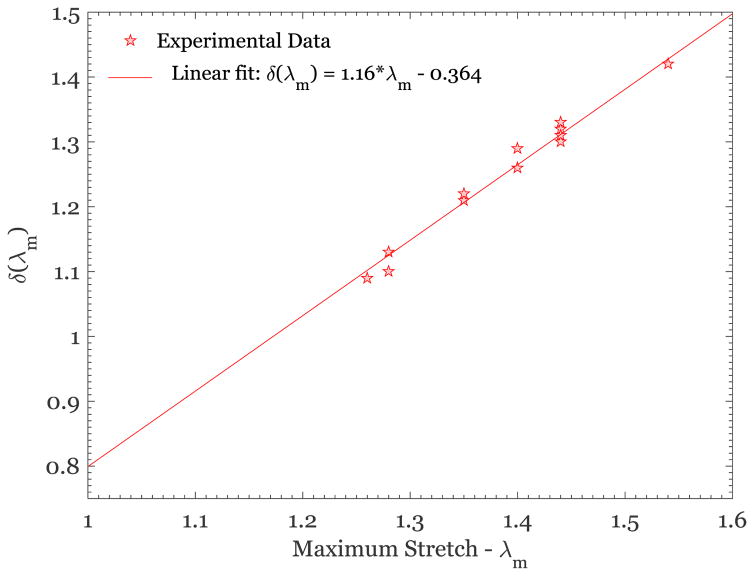
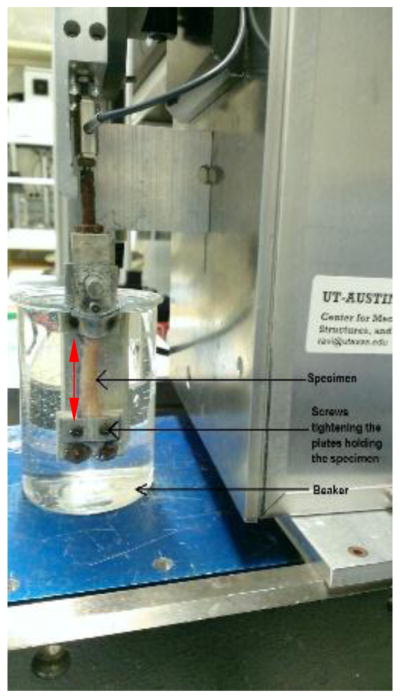
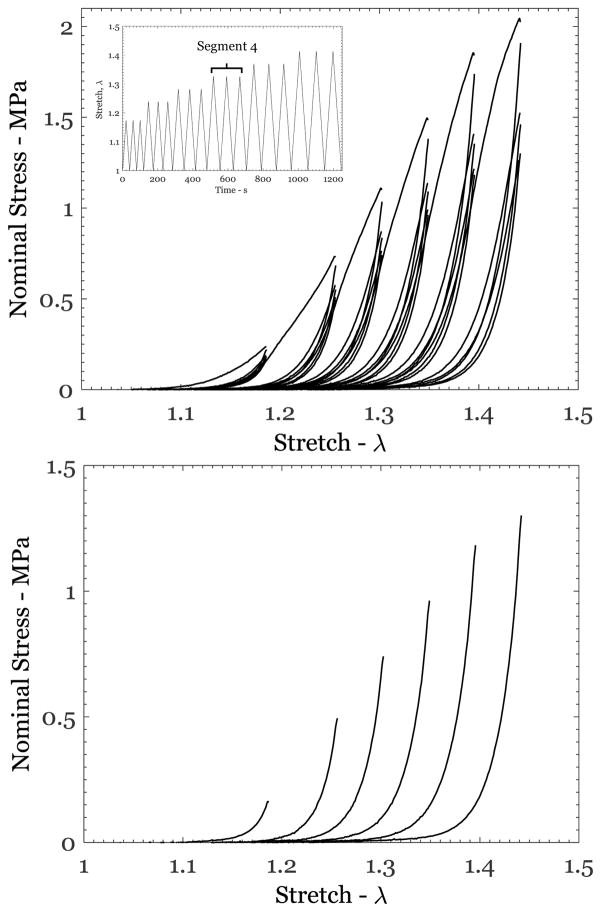
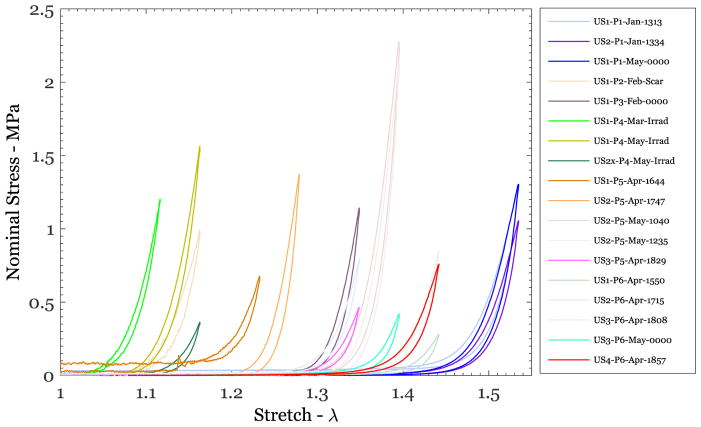
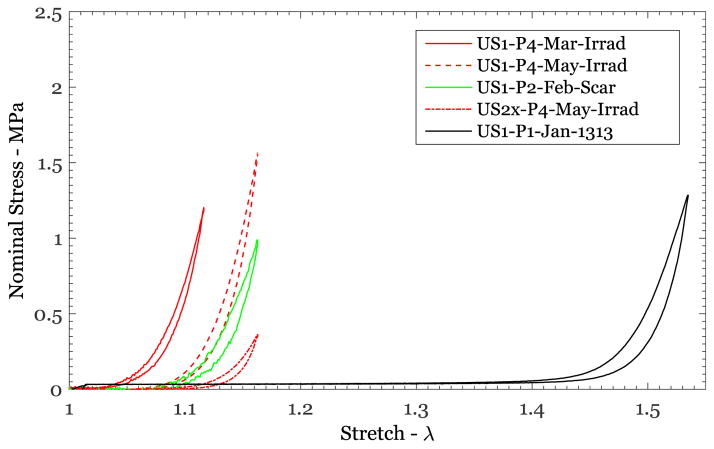
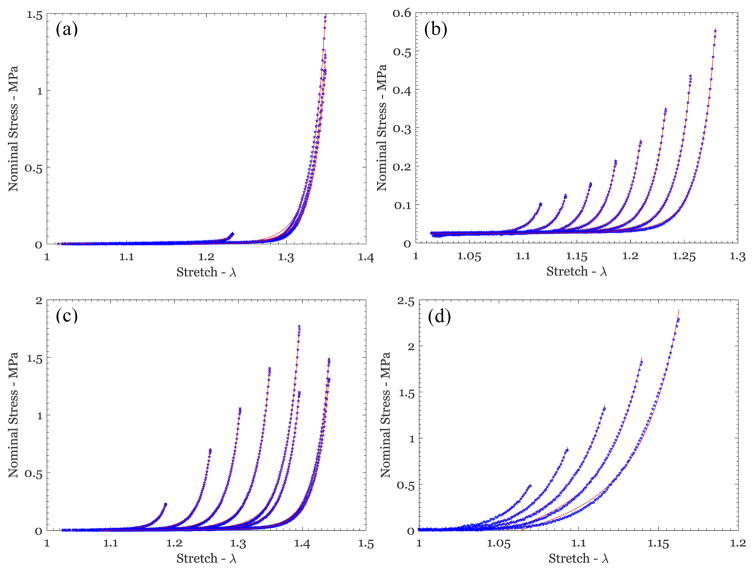
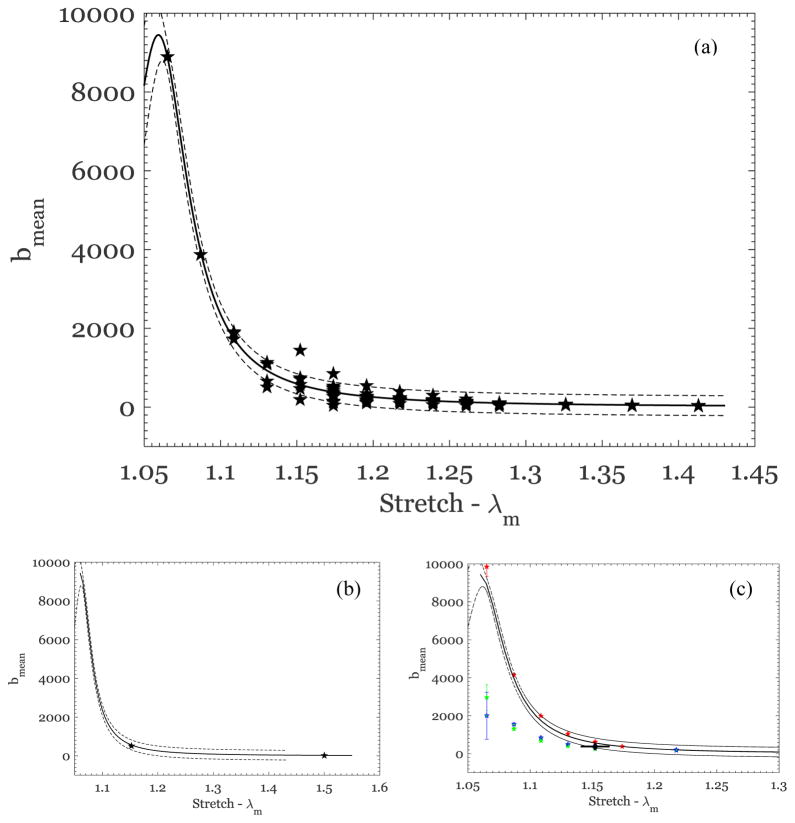
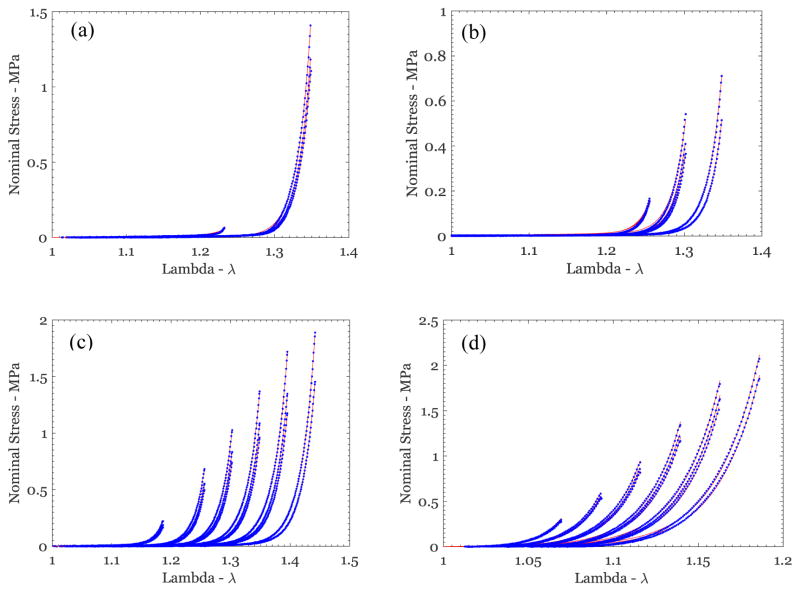
Skin is a complex material covering the entire surface of the human body. Studying the mechanical properties of skin to calibrate a constitutive model is of great importance to many applications such as plastic or cosmetic surgery and treatment of skin-based diseases like decubitus ulcers. The main objective of the present study was to identify and calibrate an appropriate material constitutive model for skin and establish certain universal properties that are independent of patient-specific variability. We performed uniaxial tests performed on breast skin specimens freshly harvested during mastectomy. Two different constitutive models - one phenomenological and another microstructurally inspired - were used to interpret the mechanical responses observed in the experiments. Remarkably, we found that the model parameters that characterize dependence on previous maximum stretch (or preconditioning) exhibited specimen-independent universal behavior.
皮肤是覆盖人体整个表面的一种复杂物质。研究皮肤的力学性能以校准本构模型对于许多应用来说非常重要,比如整形手术或美容手术以及治疗诸如褥疮等基于皮肤的疾病。本研究的主要目的是识别并校准一种适用于皮肤的材料本构模型,并确定某些独立于患者个体差异的通用特性。我们对乳房切除术中新鲜采集的乳房皮肤标本进行了单轴测试。使用了两种不同的本构模型——一种是唯象模型,另一种是受微观结构启发的模型——来解释实验中观察到的力学响应。值得注意的是,我们发现表征对先前最大拉伸(或预处理)依赖性的模型参数表现出与标本无关的通用行为。