Department of Pharmacology, I.S.F College of Pharmacy, Moga-142001, Punjab, India.
Curr Neuropharmacol. 2018;16(8):1224-1238. doi: 10.2174/1570159X15666170613083606.
Traumatic brain injury (TBI) constitutes the primary reason for mortality and morbidity in persons worldwide below 45 years of age. 1.7 million Traumatic events occur yearly in the United States alone, considering for 50,000 deaths. In severe traumatic brain injury sufferers, a considerable achievement attained in treating short-term consequences; but till date, huge failures are occurring in researcher's capability to render severe traumatic brain injury sufferers to an elevated degree of performing.
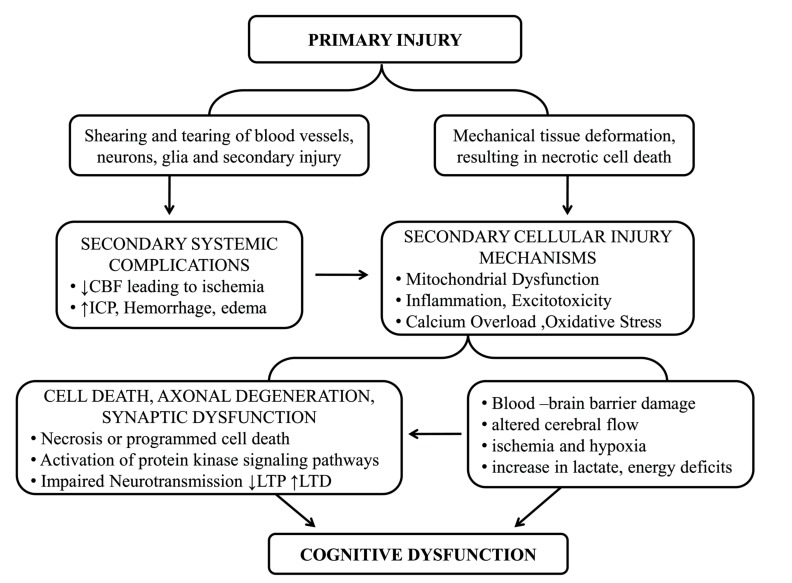
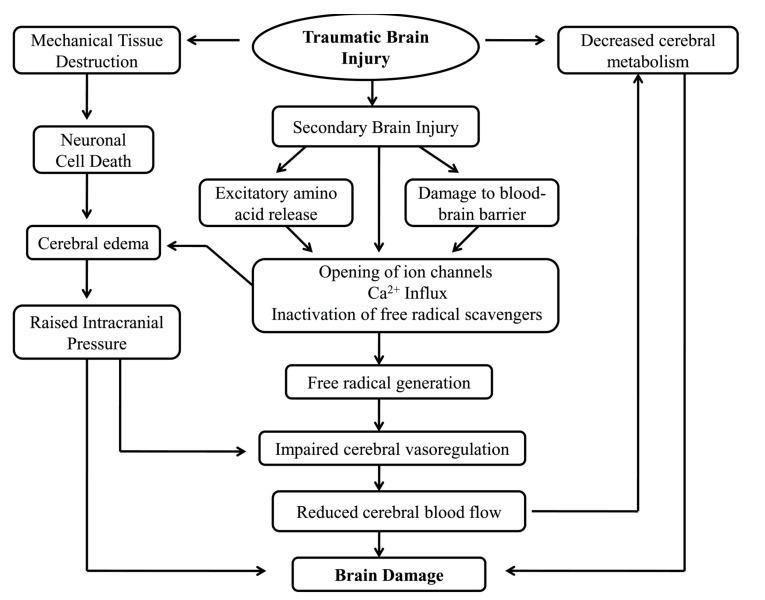
Initial damage force results in Primary brain injury, causing tissue destruction and distortion in the early post-injury period. These secondary injuries from TBI cause changes in cell performance and dissemination of trauma via activities like free-radical generation, depolarization, and formation of edema, excitotoxicity, and disruption of blood brain barrier, calcium homeostasis, and intracranial hematoma. The expectation for developing effect in TBI sufferers is the best knowledge of these activities and enhancement of remedies that restrict secondary brain damage.
The focal point of this study is on knowing the complex outburst of secondary impairments and studying the pathophysiology of TBI which provides alternative treatment benefits.
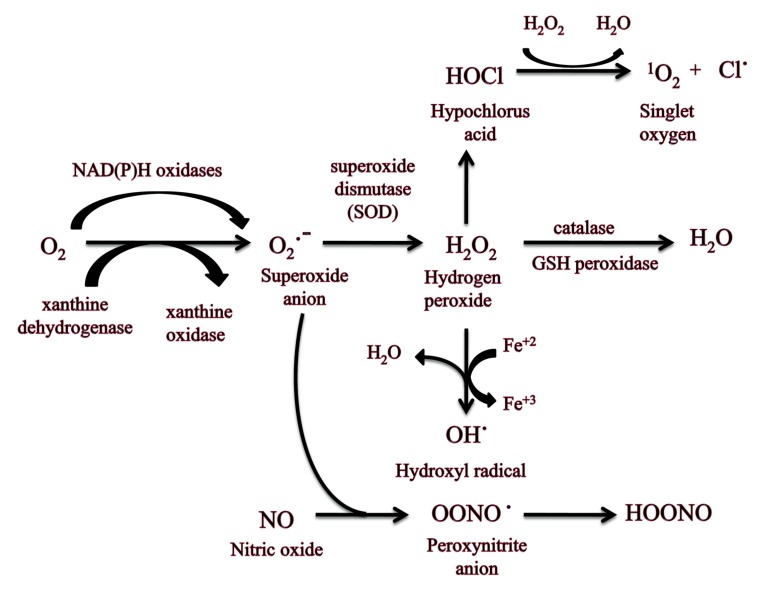
While injured persons demonstrate dissimilar levels of harm and every case is novel with specific recovery profiles, this article strengthens the recent pathophysiological sight of TBI mainly attention on oxidative stress, excitotoxicity, cerebral oxygenation and cerebral blood flow (CBF), development of edema, and inflammatory activities. For initial research acknowledgment of these recurring factors could permit clarification of possible beneficial targets.
创伤性脑损伤(TBI)是全球 45 岁以下人群死亡和发病的主要原因。仅在美国,每年就有 170 万起创伤性事件发生,导致 5 万人死亡。在严重创伤性脑损伤患者中,虽然在治疗短期后果方面取得了相当大的成就,但迄今为止,研究人员在使严重创伤性脑损伤患者恢复到更高水平的表现方面仍存在巨大失败。
最初的损伤力导致原发性脑损伤,在受伤后早期导致组织破坏和变形。这些来自 TBI 的继发性损伤导致细胞功能的变化,并通过自由基生成、去极化和水肿形成、兴奋毒性以及血脑屏障、钙稳态和颅内血肿的破坏等活动传播创伤。在 TBI 患者中开发有效治疗方法的期望是最好地了解这些活动,并增强限制继发性脑损伤的治疗方法。
本研究的重点是了解继发性损伤的复杂爆发,并研究 TBI 的病理生理学,这为提供了替代治疗益处。
虽然受伤者表现出不同程度的伤害,每个病例都具有独特的恢复特征,但本文主要强调了 TBI 的最近病理生理学观点,主要关注氧化应激、兴奋毒性、脑氧合和脑血流(CBF)、水肿形成和炎症活动。对于初步研究,对这些反复出现的因素的认识可以明确可能的有益靶点。