Shen Shihong, Wu Youshen, Liu Yongchun, Wu Daocheng
Key Laboratory of Biomedical Information Engineering of Education Ministry, School of Life Science and Technology, Xi'an Jiaotong University, Xi'an, People's Republic of China.
Int J Nanomedicine. 2017 May 31;12:4085-4109. doi: 10.2147/IJN.S132780. eCollection 2017.
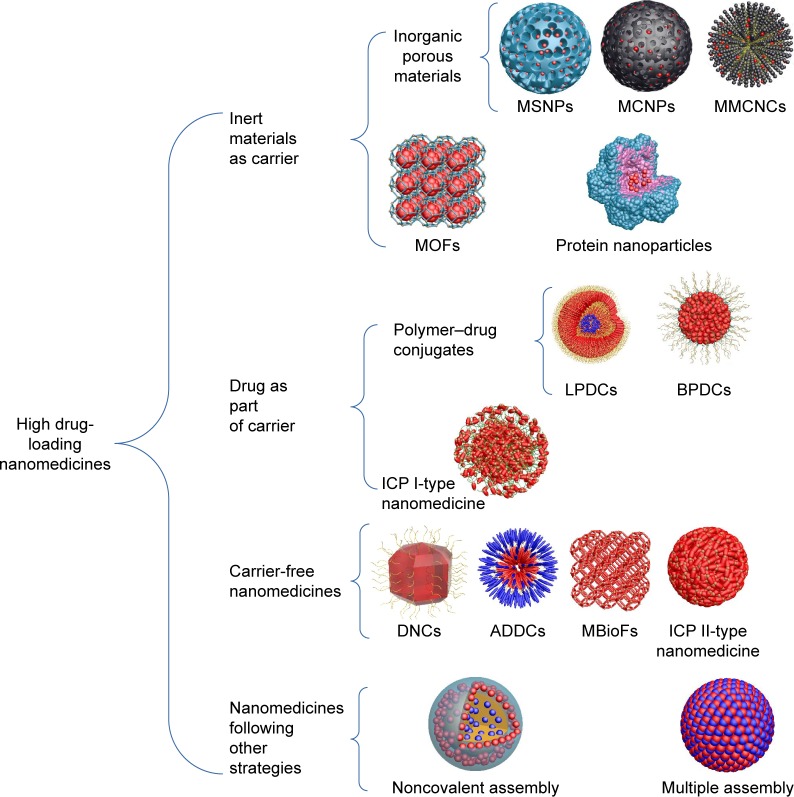
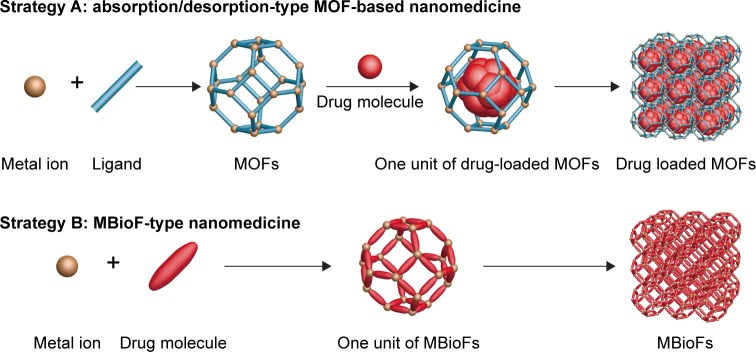
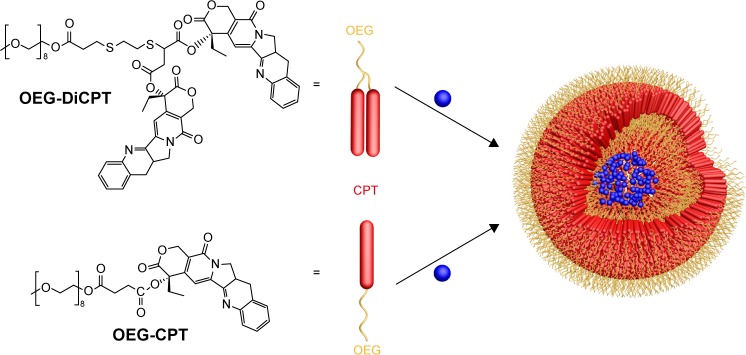
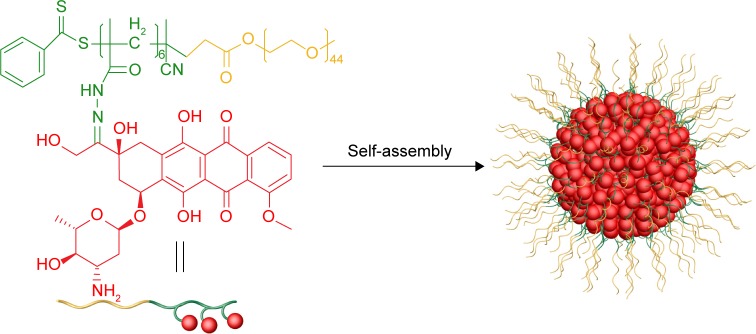
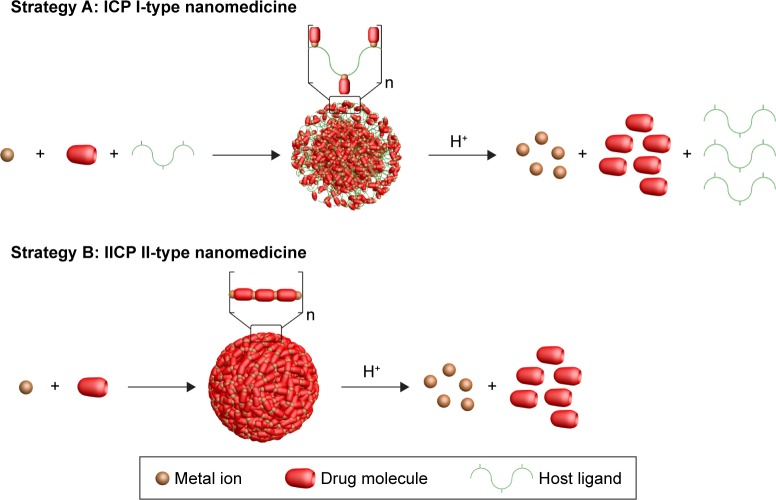
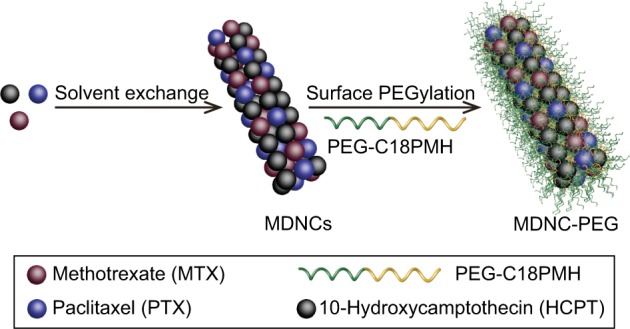
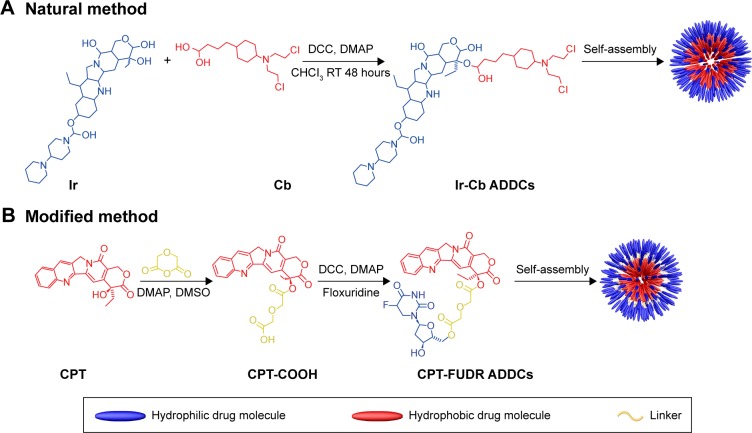
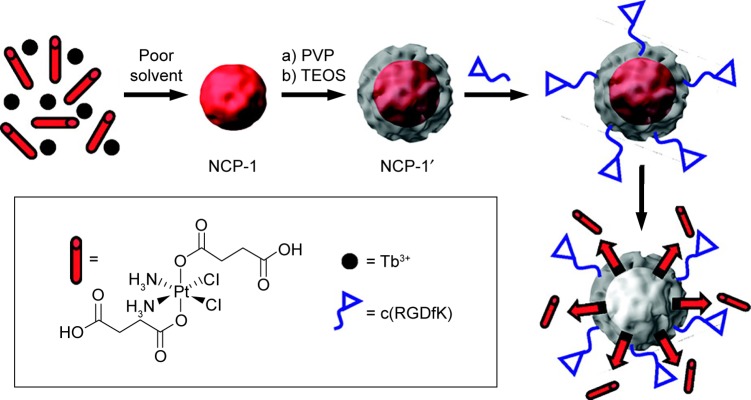
Drug molecules transformed into nanoparticles or endowed with nanostructures with or without the aid of carrier materials are referred to as "nanomedicines" and can overcome some inherent drawbacks of free drugs, such as poor water solubility, high drug dosage, and short drug half-life in vivo. However, most of the existing nanomedicines possess the drawback of low drug-loading (generally less than 10%) associated with more carrier materials. For intravenous administration, the extensive use of carrier materials might cause systemic toxicity and impose an extra burden of degradation, metabolism, and excretion of the materials for patients. Therefore, on the premise of guaranteeing therapeutic effect and function, reducing or avoiding the use of carrier materials is a promising alternative approach to solve these problems. Recently, high drug-loading nanomedicines, which have a drug-loading content higher than 10%, are attracting increasing interest. According to the fabrication strategies of nanomedicines, high drug-loading nanomedicines are divided into four main classes: nanomedicines with inert porous material as carrier, nanomedicines with drug as part of carrier, carrier-free nanomedicines, and nanomedicines following niche and complex strategies. To date, most of the existing high drug-loading nanomedicines belong to the first class, and few research studies have focused on other classes. In this review, we investigate the research status of high drug-loading nanomedicines and discuss the features of their fabrication strategies and optimum proposal in detail. We also point out deficiencies and developing direction of high drug-loading nanomedicines. We envision that high drug-loading nanomedicines will occupy an important position in the field of drug-delivery systems, and hope that novel perspectives will be proposed for the development of high drug-loading nanomedicines.
药物分子在有或没有载体材料辅助的情况下转化为纳米颗粒或具有纳米结构,被称为“纳米药物”,并且可以克服游离药物的一些固有缺点,如水溶性差、药物剂量高以及体内药物半衰期短。然而,现有的大多数纳米药物存在载药量低(通常小于10%)的缺点,这与较多的载体材料有关。对于静脉给药,大量使用载体材料可能会导致全身毒性,并给患者带来材料降解、代谢和排泄的额外负担。因此,在保证治疗效果和功能的前提下,减少或避免使用载体材料是解决这些问题的一种有前景的替代方法。近年来,载药量高于10%的高载药量纳米药物越来越受到关注。根据纳米药物的制备策略,高载药量纳米药物主要分为四类:以惰性多孔材料为载体的纳米药物、以药物为载体一部分的纳米药物、无载体纳米药物以及遵循特定和复杂策略的纳米药物。迄今为止,现有的大多数高载药量纳米药物属于第一类,很少有研究关注其他类别。在这篇综述中,我们研究了高载药量纳米药物的研究现状,并详细讨论了它们的制备策略特点和优化方案。我们还指出了高载药量纳米药物的不足之处和发展方向。我们设想高载药量纳米药物将在药物递送系统领域占据重要地位,并希望为高载药量纳米药物的发展提出新的观点。