Huo Xiaowei, Liu Chenqi, Gao Li, Xu Xudong, Zhu Nailiang, Cao Li
Institute of Medicinal Plant Development, Chinese Academy of Medical Sciences and Peking Union Medical College, Beijing 100193, China.
Research Center on Life Sciences and Environmental Sciences, Harbin University of Commerce, Harbin 150076, China.
Int J Mol Sci. 2017 Jun 15;18(6):1197. doi: 10.3390/ijms18061197.
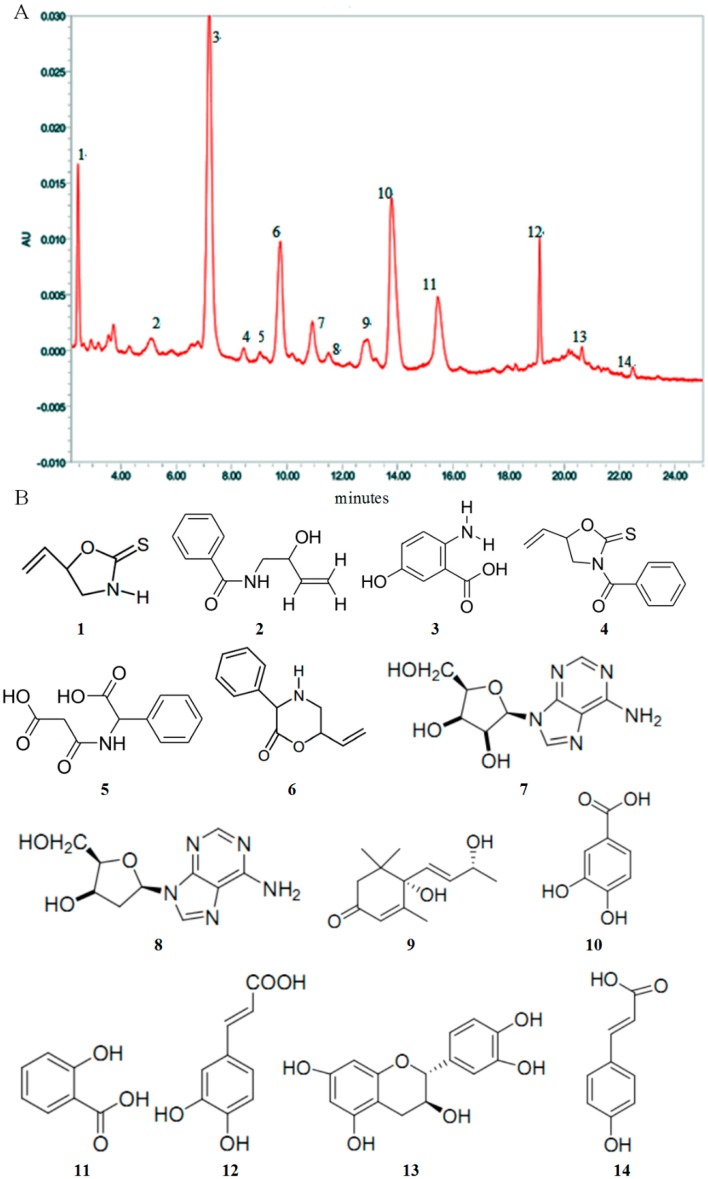
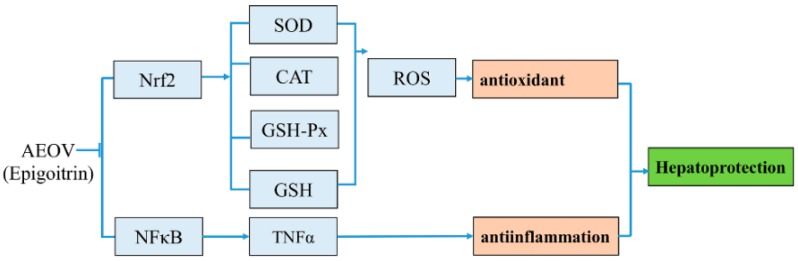
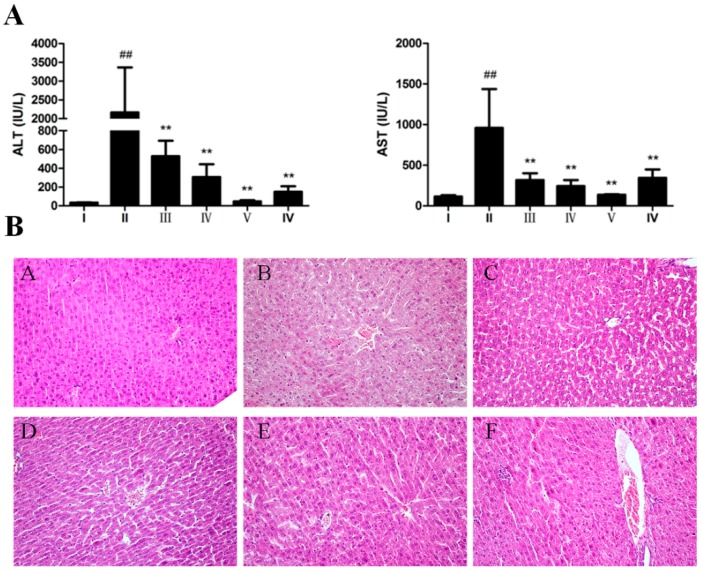
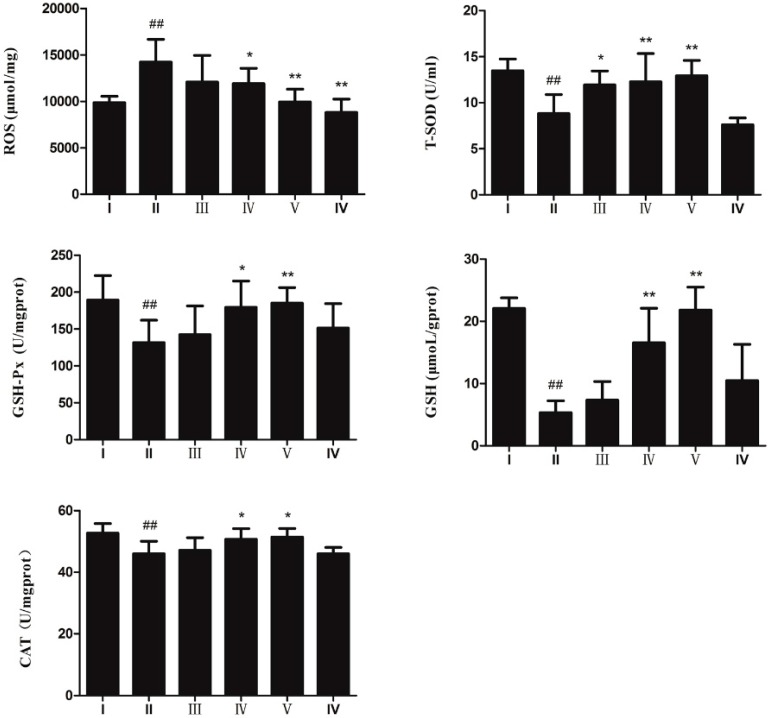
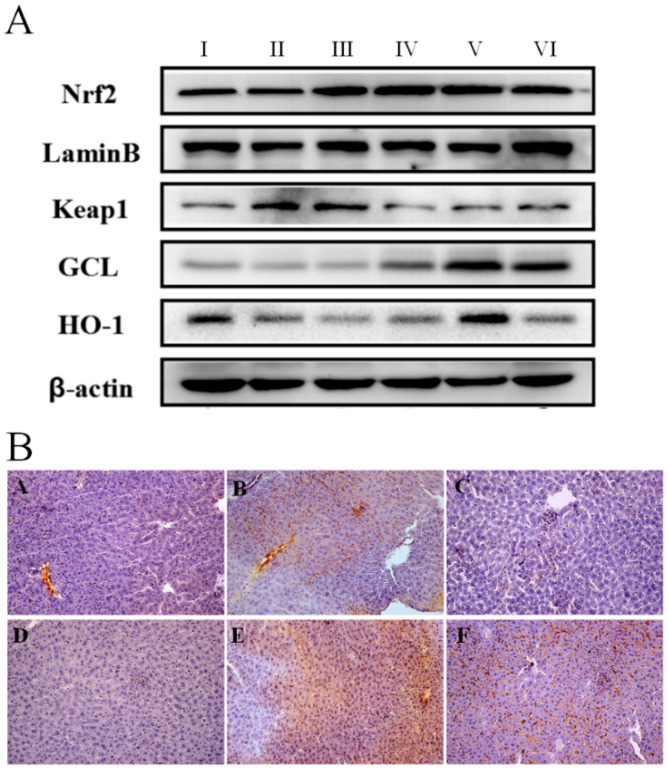
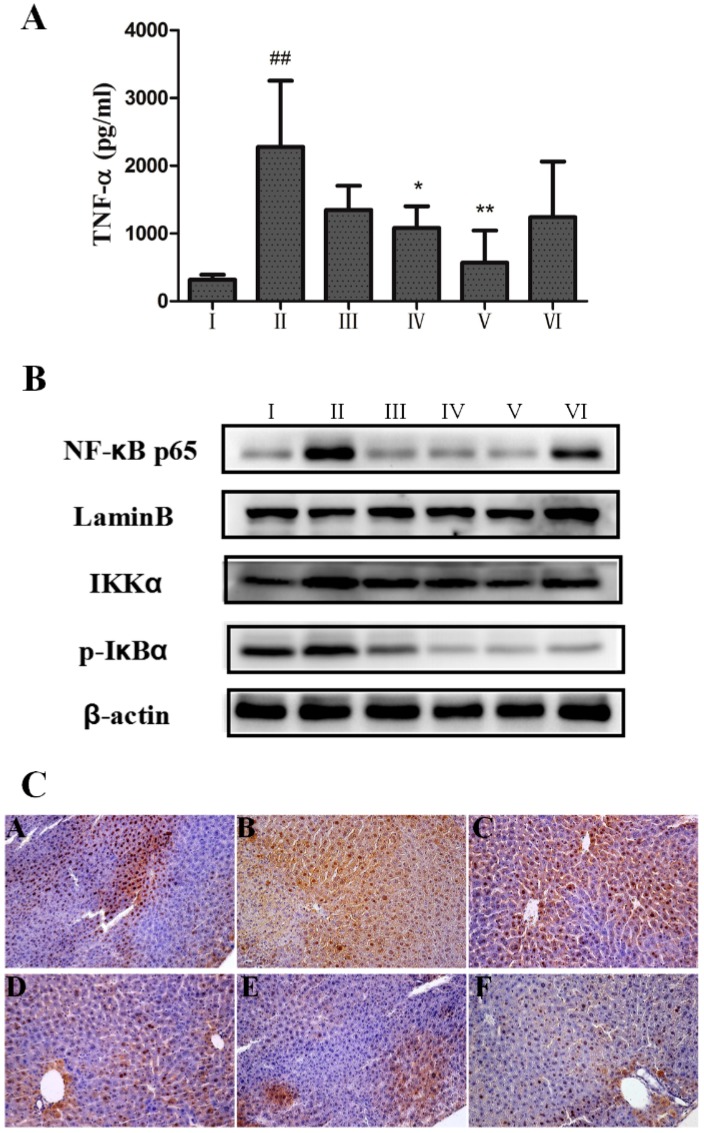
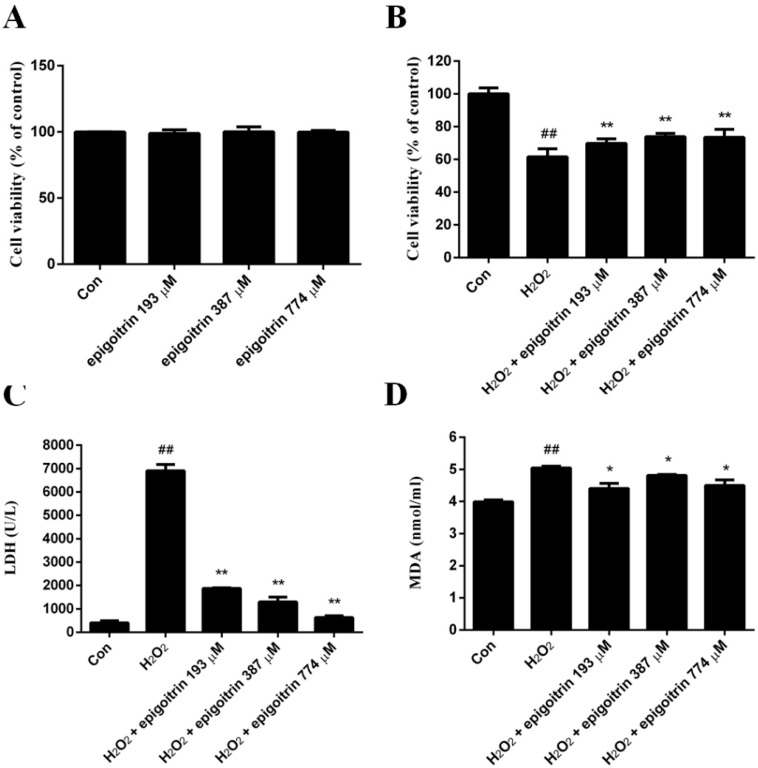
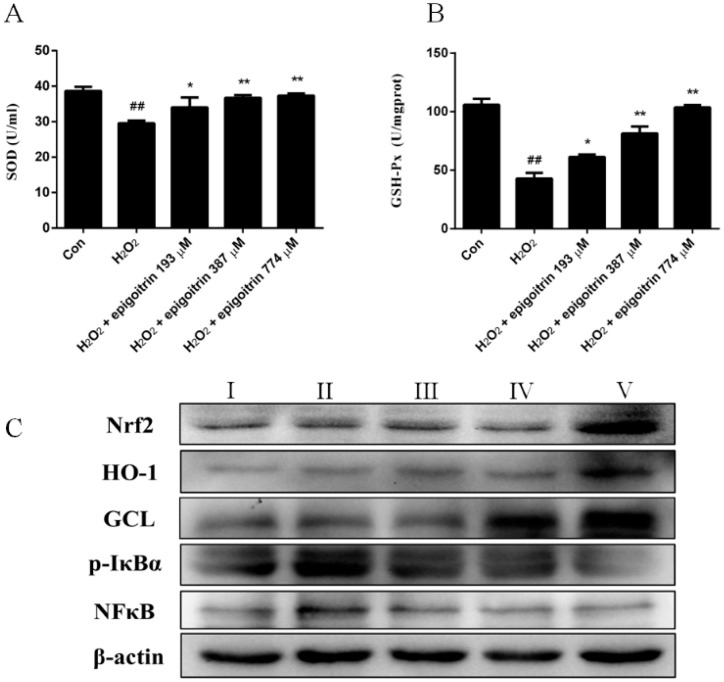
() is a kind of edible wild herb in north China and its seeds have medical potential, however, the effect of seeds on liver injury and the mechanism of action remains poorly understood. Thus, the purpose of the present study is to investigate the effect of seeds on liver injury and further explore the molecular mechanism of the beneficial effects using aqueous extract from the seeds of (AEOV). Mice were orally administrated with saline, AEOV, and biphenyldicarboxylate for 4 days, and were then injected subcutaneously with 0.1% carbon tetrachloride (CCl₄) dissolved in corn oil. Sixteen hours later, mice were sacrificed and blood samples were collected. Then, the serum was separated and used for biochemical assay. Livers were excised and were routinely processed for histological examinations. Enzyme activities and protein levels in liver homogenates were detected using commercial kits or by western blot analysis. Additionally, the hepatoprotective effect of AEOV in vitro was evaluated using epigoitrin, the major alkaloid compound isolated from AEOV. We found that AEOV attenuated liver injury induced by CCl₄ as evidenced by decreased levels of alanine aminotransferase (ALT) and aminotransferase (AST) in serum, improvement of liver histopathological changes, and substantial attenuation of oxidative stress and inflammation via regulation of nuclear factor-erythroid 2-related factor-2 (Nrf2) and nuclear factor κB (NFκB) pathways. These effects of AEOV were comparable to that of biphenyldicarboxylate which was commonly used as a hepatoprotective reference. Moreover, pretreatment of HepG2 cells with epigoitrin improved cell viability, decreased lactate dehydrogenase (LDH) and malondialdehyde (MDA) levels, increased superoxide dismutase (SOD) and glutathione peroxidase (GSH-Px) activity, attenuated the NFκB pathway, and elevated the Nrf2 pathway after exposure to H₂O₂. These results suggest that AEOV could effectively prevent CCl₄-induced liver injury in mice via regulating the Nrf2 and NFκB pathways, and reveal the cytoprotective effects of epigoitrin against H₂O₂-induced oxidative stress in HepG2 cells.
()是中国北方的一种可食用野菜,其种子具有药用潜力,然而,其种子对肝损伤的影响及作用机制仍知之甚少。因此,本研究旨在探讨()种子对肝损伤的影响,并进一步利用()种子水提取物(AEOV)探索其有益作用的分子机制。将小鼠分别口服生理盐水、AEOV和联苯双酯4天,然后皮下注射溶于玉米油的0.1%四氯化碳(CCl₄)。16小时后,处死小鼠并采集血样。然后分离血清用于生化检测。切除肝脏并进行常规组织学检查。使用商业试剂盒或通过蛋白质印迹分析检测肝匀浆中的酶活性和蛋白质水平。此外,使用从AEOV中分离出的主要生物碱化合物表告依春评估AEOV在体外的肝保护作用。我们发现,AEOV减轻了CCl₄诱导的肝损伤,血清中丙氨酸转氨酶(ALT)和天冬氨酸转氨酶(AST)水平降低、肝组织病理学变化改善以及通过调节核因子红细胞2相关因子2(Nrf2)和核因子κB(NFκB)途径使氧化应激和炎症显著减轻均证明了这一点。AEOV的这些作用与常用作肝保护参考药物的联苯双酯相当。此外,用表告依春预处理HepG2细胞可提高细胞活力、降低乳酸脱氢酶(LDH)和丙二醛(MDA)水平、增加超氧化物歧化酶(SOD)和谷胱甘肽过氧化物酶(GSH-Px)活性、减弱NFκB途径并在暴露于H₂O₂后增强Nrf2途径。这些结果表明,AEOV可通过调节Nrf2和NFκB途径有效预防小鼠CCl₄诱导的肝损伤,并揭示了表告依春对H₂O₂诱导的HepG2细胞氧化应激的细胞保护作用。