1 Department of Animal Sciences, Reed Research Group, University of Wisconsin-Madison , Madison, Wisconsin.
2 Department of Animal Sciences, Biomedical and Genomic Research Group, University of Wisconsin-Madison , Madison, Wisconsin.
OMICS. 2018 Feb;22(2):145-153. doi: 10.1089/omi.2016.0167. Epub 2017 Jun 15.
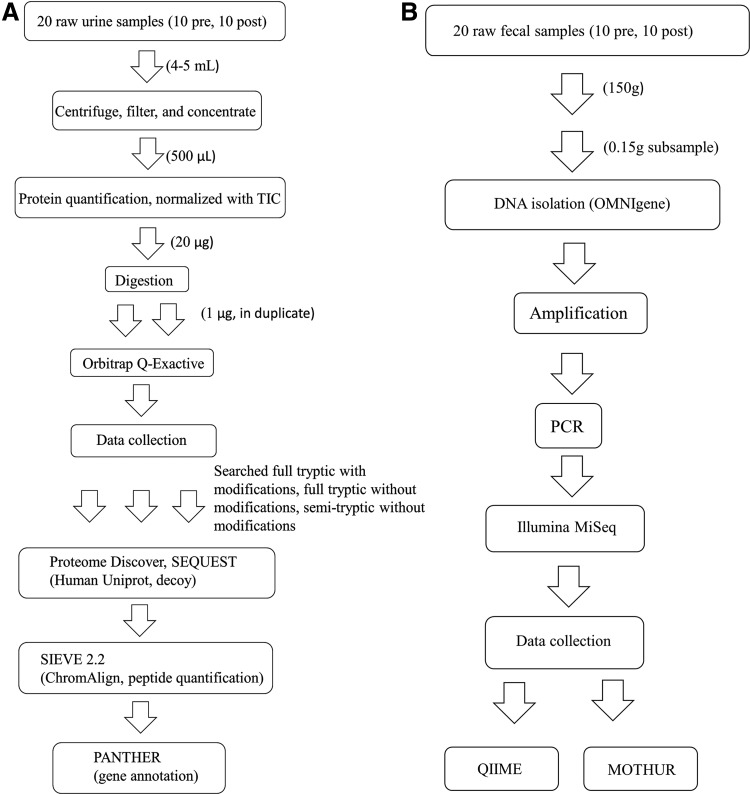
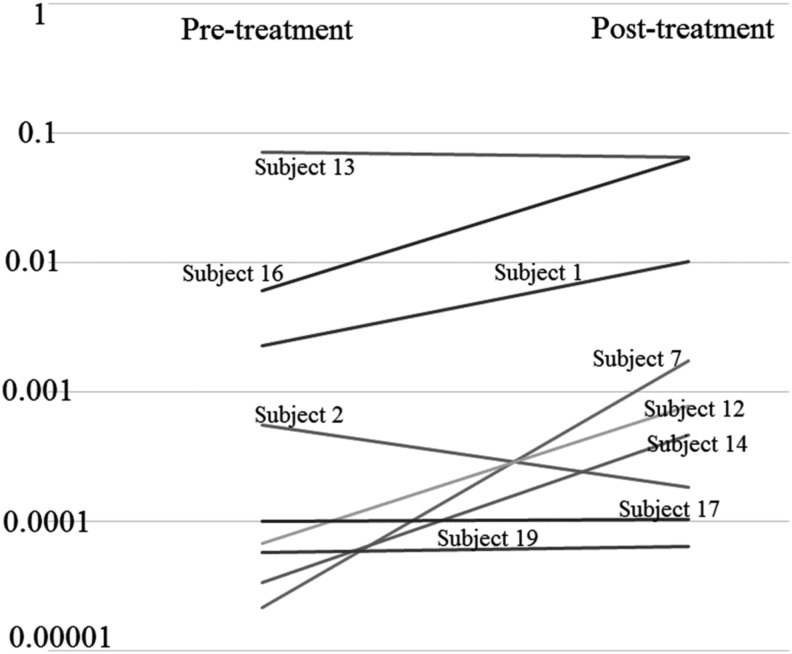
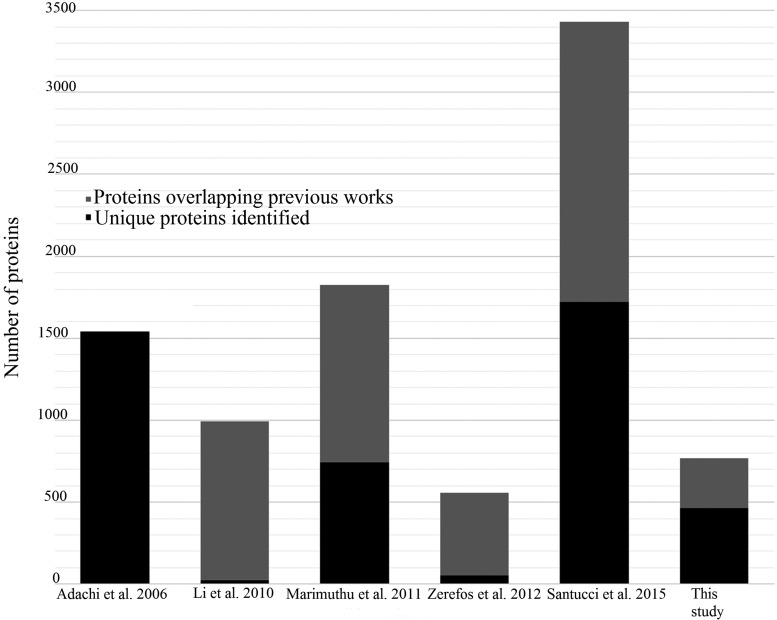
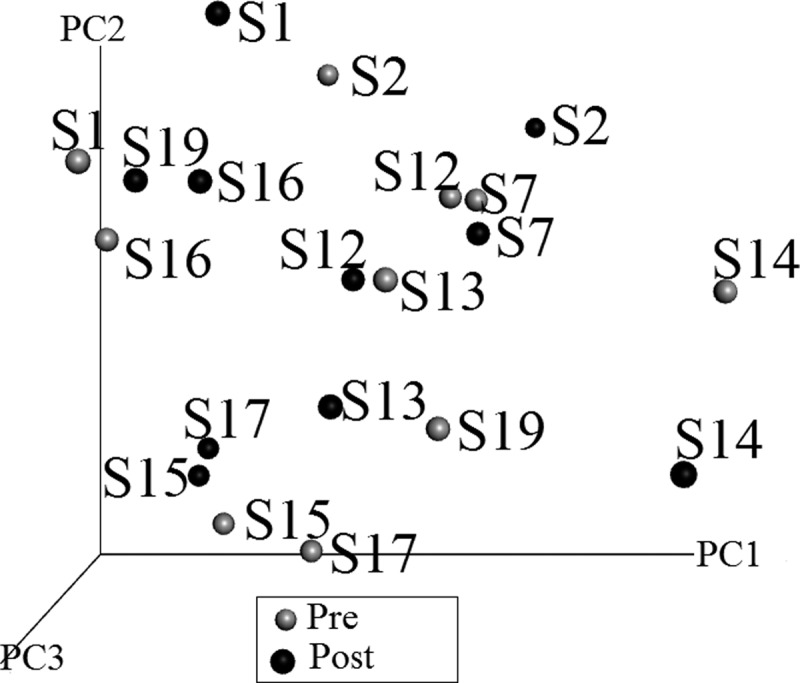
The relationship among diet, human health, and disease is an area of growing interest in biomarker research. Previous studies suggest that the consumption of cranberries (Vaccinium macrocarpon) could beneficially influence urinary and digestive health. The present study sought to determine if daily consumption of sweetened dried cranberries (SDC) changes the urinary proteome and fecal microbiome, as determined in a prospective sample of 10 healthy individuals. Baseline urine and fecal samples were collected from the subjects in the fasted (8-12 h) state. The subjects then consumed one serving (42 g) of SDC daily with lunch for 2 weeks. Urine and fecal samples were collected again the day after 2 weeks of SDC consumption. Orbitrap Q-Exactive mass spectrometry of urinary proteins showed that consumption of SDC resulted in changes to 22 urinary proteins. Multiplex sequencing of 16S ribosomal RNA genes in fecal samples indicated changes in relative abundance of several bacterial taxonomic units after consumption of SDC. There was a shift in the Firmicutes:Bacteroidetes ratio, increases in commensal bacteria, and decreases or the absence of bacteria associated with negative health effects. A decrease in uromodulin in all subjects and an increase in Akkermansia bacteria in most subjects were observed and warrant further investigation. Future larger clinical studies with multiomics and multitissue sampling designs are required to determine the effects of SDC consumption on nutrition and health.
饮食、人类健康和疾病之间的关系是生物标志物研究中一个日益受到关注的领域。先前的研究表明,蔓越莓(Vaccinium macrocarpon)的消费可能对泌尿和消化健康有益。本研究旨在确定每天食用加糖干燥蔓越莓(SDC)是否会改变 10 名健康个体的前瞻性样本中的尿液蛋白质组和粪便微生物组。在空腹(8-12 小时)状态下从受试者中收集基线尿液和粪便样本。然后,受试者每天在午餐时食用一份(42 克)SDC,持续 2 周。在 SDC 消费 2 周后的第二天再次收集尿液和粪便样本。尿液蛋白质的 Orbitrap Q-Exactive 质谱分析表明,SDC 的消费导致 22 种尿液蛋白质发生变化。粪便样品中 16S 核糖体 RNA 基因的多重测序表明,SDC 消费后几个细菌分类单元的相对丰度发生了变化。厚壁菌门:拟杆菌门的比例发生了变化,共生细菌增加,与负面健康影响相关的细菌减少或不存在。所有受试者的尿调蛋白减少,大多数受试者的 Akkermansia 细菌增加,这值得进一步研究。需要进行更大规模的临床研究,采用多组学和多组织采样设计,以确定 SDC 消费对营养和健康的影响。