Schaker Patricia D C, Peters Leila P, Cataldi Thais R, Labate Carlos A, Caldana Camila, Monteiro-Vitorello Claudia B
Department of Genetics, "Luiz de Queiroz"' College of Agriculture, University of São PauloSão Paulo, Brazil.
Brazilian Bioethanol Science and Technology LaboratorySão Paulo, Brazil.
Front Plant Sci. 2017 May 31;8:882. doi: 10.3389/fpls.2017.00882. eCollection 2017.
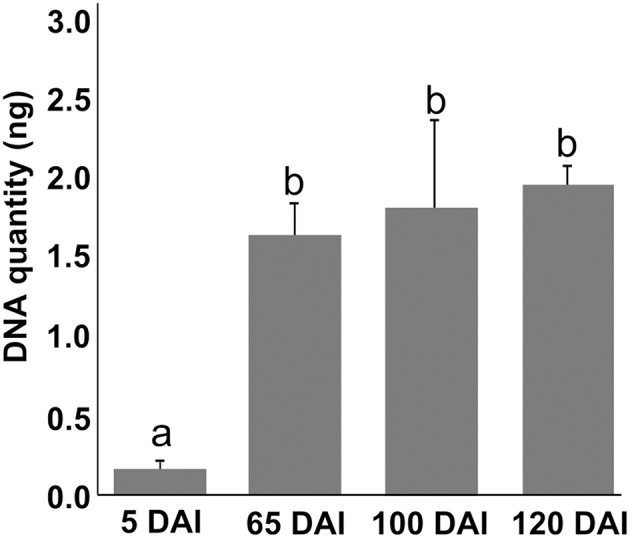
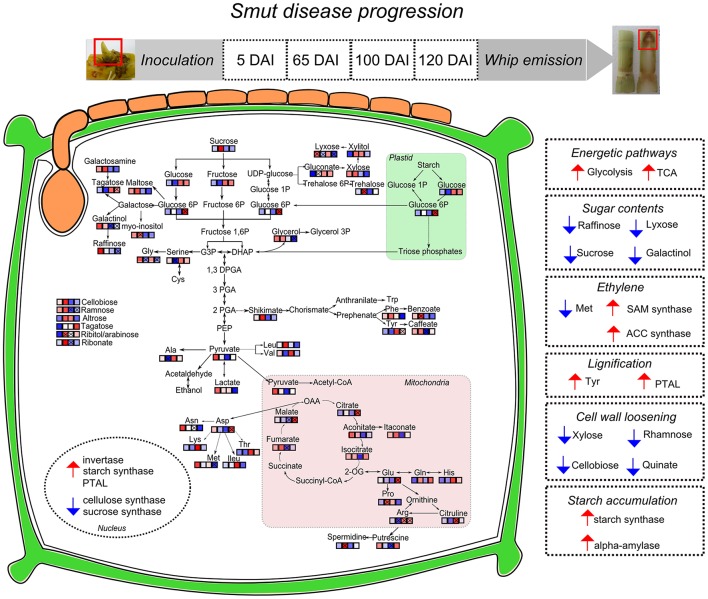
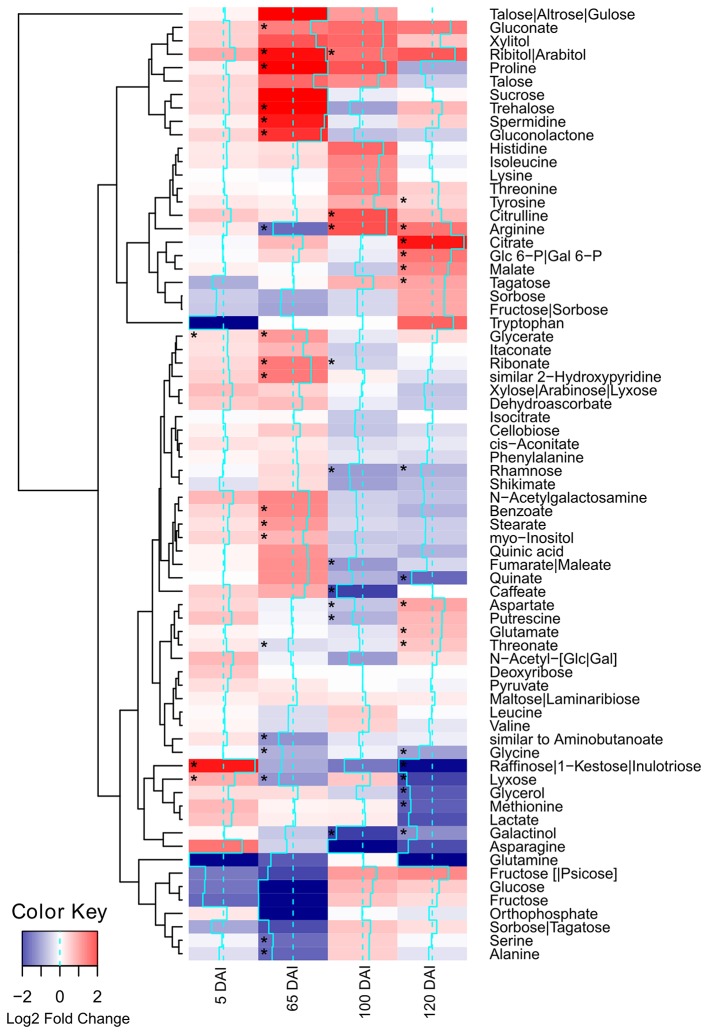
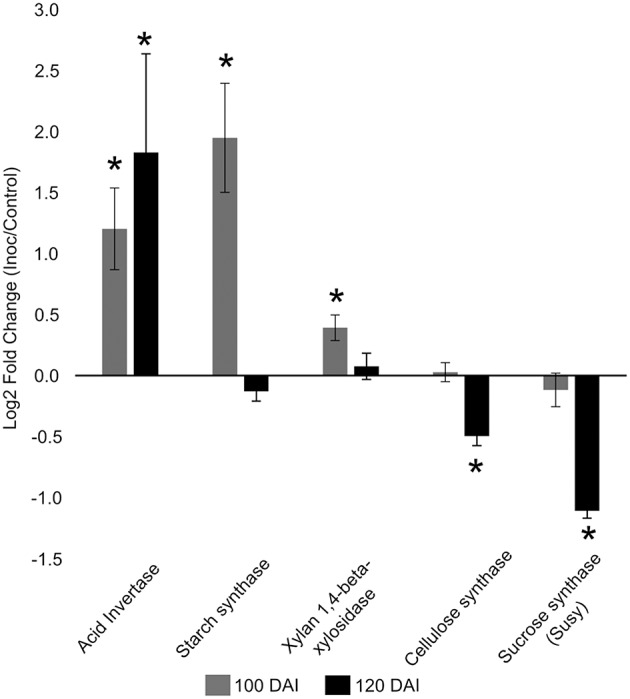
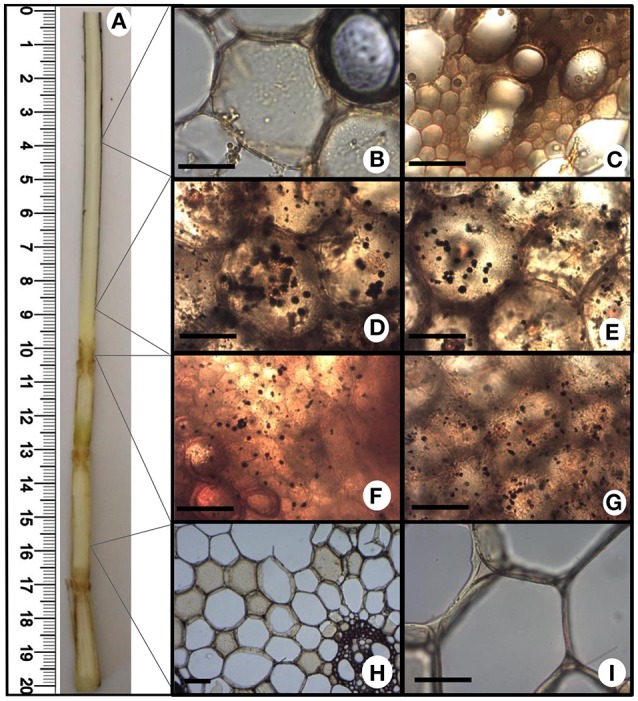
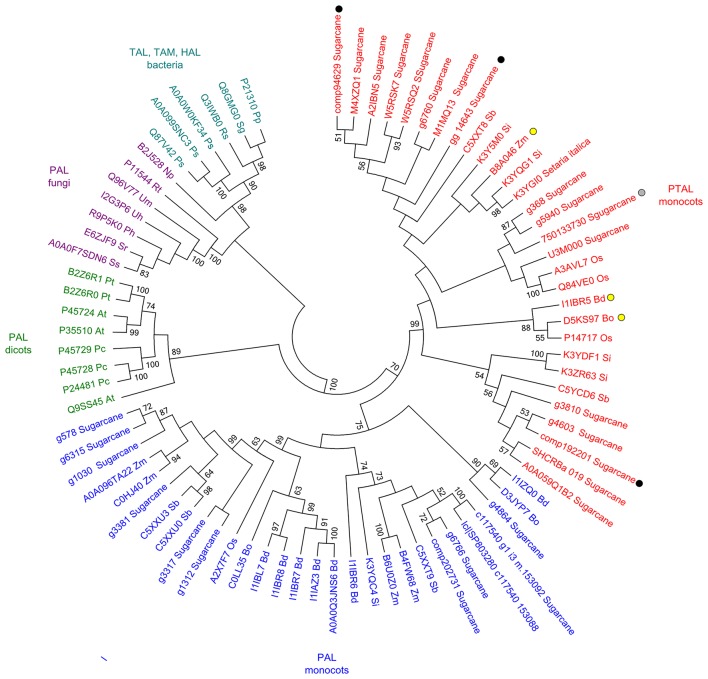
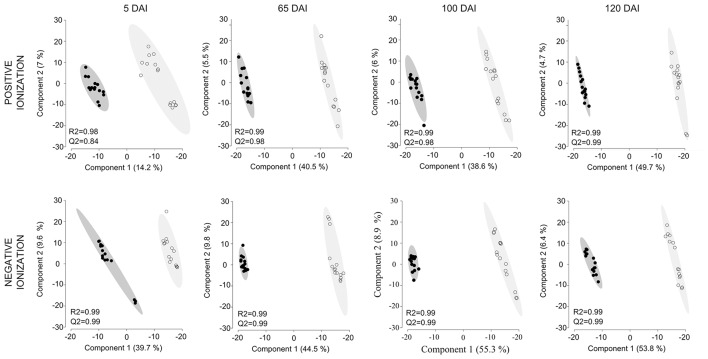
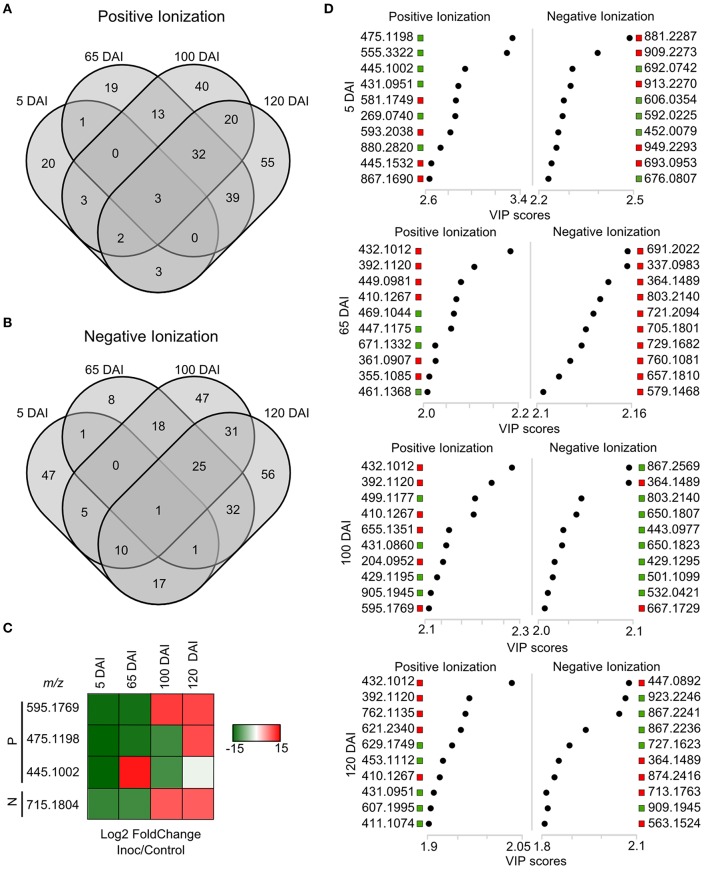
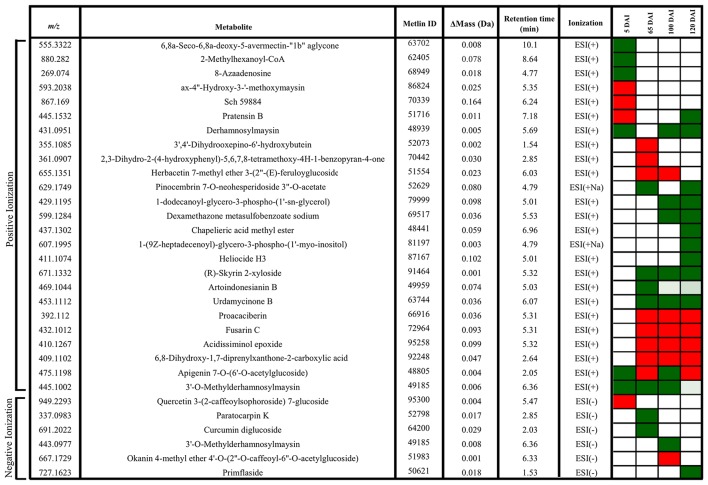
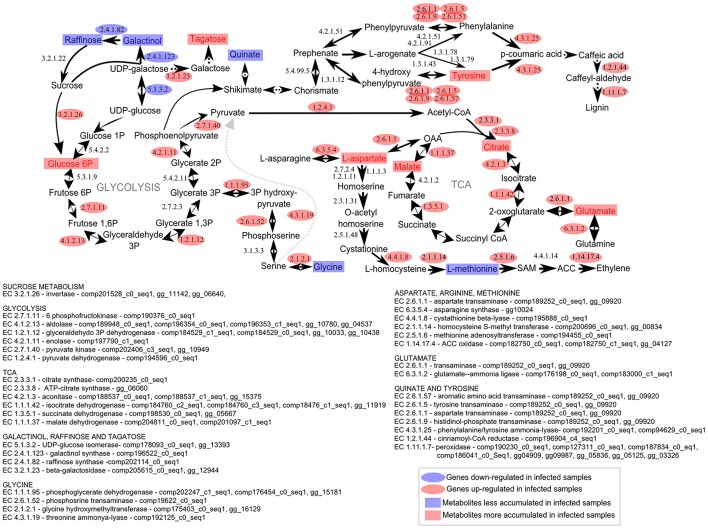
Sugarcane smut disease, caused by the biotrophic fungus , is characterized by the development of a whip-like structure from the plant meristem. The disease causes negative effects on sucrose accumulation, fiber content and juice quality. The aim of this study was to exam whether the transcriptomic changes already described during the infection of sugarcane by result in changes at the metabolomic level. To address this question, an analysis was conducted during the initial stage of the interaction and through disease progression in a susceptible sugarcane genotype. GC-TOF-MS allowed the identification of 73 primary metabolites. A set of these compounds was quantitatively altered at each analyzed point as compared with healthy plants. The results revealed that energetic pathways and amino acid pools were affected throughout the interaction. Raffinose levels increased shortly after infection but decreased remarkably after whip emission. Changes related to cell wall biosynthesis were characteristic of disease progression and suggested a loosening of its structure to allow whip growth. Lignin biosynthesis related to whip formation may rely on Tyr metabolism through the overexpression of a bifunctional PTAL. The altered levels of Met residues along with overexpression of SAM synthetase and ACC synthase genes suggested a role for ethylene in whip emission. Moreover, unique secondary metabolites antifungal-related were identified using LC-ESI-MS approach, which may have potential biomarker applications. Lastly, a putative toxin was the most important fungal metabolite identified whose role during infection remains to be established.
甘蔗黑穗病由活体营养型真菌引起,其特征是从植物分生组织发育出鞭状结构。该病对蔗糖积累、纤维含量和汁液品质产生负面影响。本研究的目的是检验在甘蔗被[真菌名称未给出]感染期间已描述的转录组变化是否会导致代谢组水平的变化。为解决这个问题,在易感甘蔗基因型的相互作用初始阶段及疾病发展过程中进行了分析。气相色谱 - 飞行时间质谱法(GC - TOF - MS)可鉴定出73种初级代谢物。与健康植株相比,在每个分析点都有一组这些化合物的含量发生了变化。结果表明,在整个相互作用过程中,能量代谢途径和氨基酸库受到了影响。感染后不久棉子糖水平升高,但在鞭状体发出后显著下降。与细胞壁生物合成相关的变化是疾病发展的特征,表明其结构松弛以允许鞭状体生长。与鞭状体形成相关的木质素生物合成可能通过双功能PTAL的过表达依赖于酪氨酸代谢。甲硫氨酸残基水平的改变以及SAM合成酶和ACC合成酶基因的过表达表明乙烯在鞭状体发出中起作用。此外,使用液相色谱 - 电喷雾电离质谱法(LC - ESI - MS)鉴定出了与抗真菌相关的独特次生代谢物,其可能具有潜在的生物标志物应用。最后,一种推定的毒素是鉴定出的最重要的真菌代谢物,其在感染过程中的作用尚待确定。