Broeckel Rebecca, Fox Julie M, Haese Nicole, Kreklywich Craig N, Sukulpovi-Petty Soila, Legasse Alfred, Smith Patricia P, Denton Michael, Corvey Carsten, Krishnan Shiv, Colgin Lois M A, Ducore Rebecca M, Lewis Anne D, Axthelm Michael K, Mandron Marie, Cortez Pierre, Rothblatt Jonathan, Rao Ercole, Focken Ingo, Carter Kara, Sapparapau Gopal, Crowe James E, Diamond Michael S, Streblow Daniel N
Vaccine and Gene Therapy Institute, Oregon Health and Science University, Beaverton, United States of America.
Departments of Medicine, Molecular Microbiology, Pathology & Immunology, Washington University School of Medicine, St. Louis, United States of America.
PLoS Negl Trop Dis. 2017 Jun 19;11(6):e0005637. doi: 10.1371/journal.pntd.0005637. eCollection 2017 Jun.
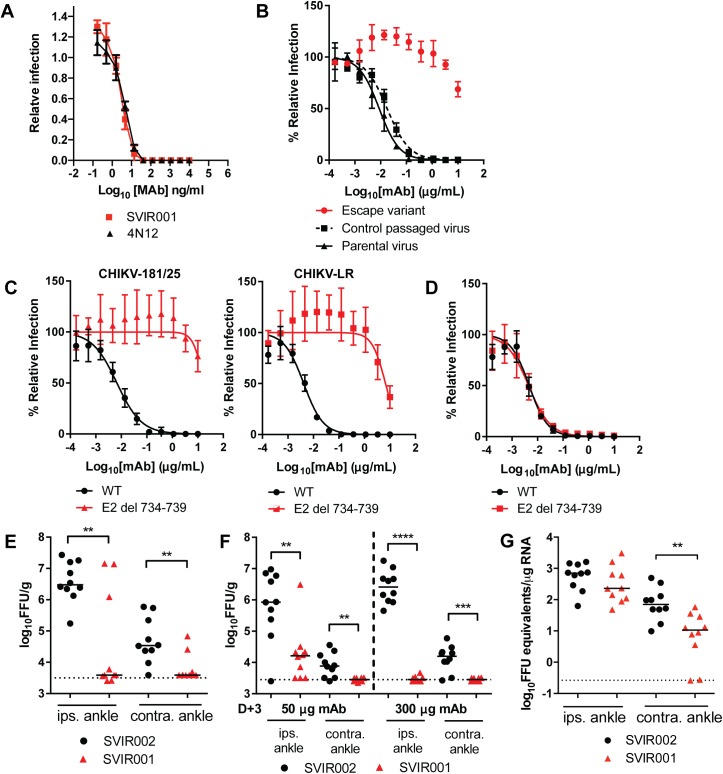
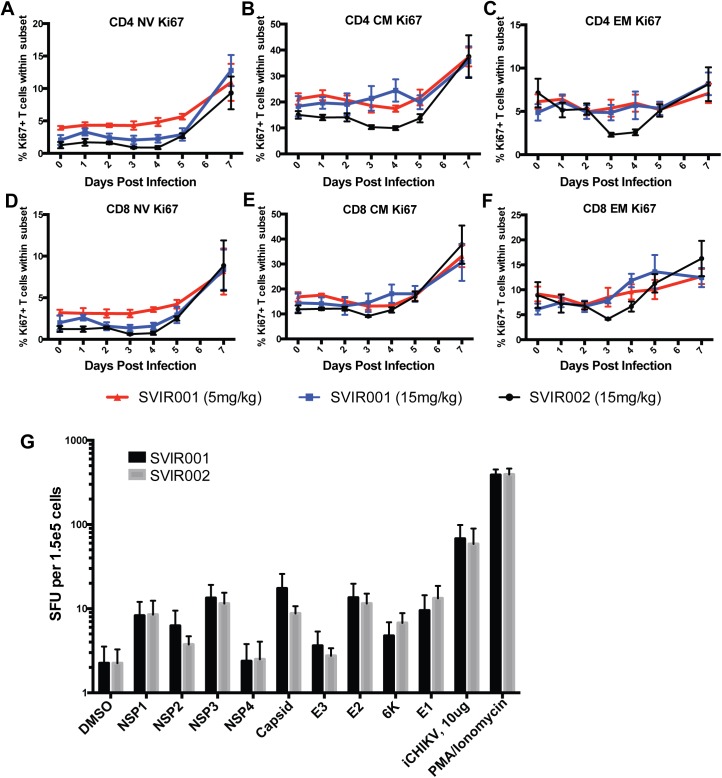
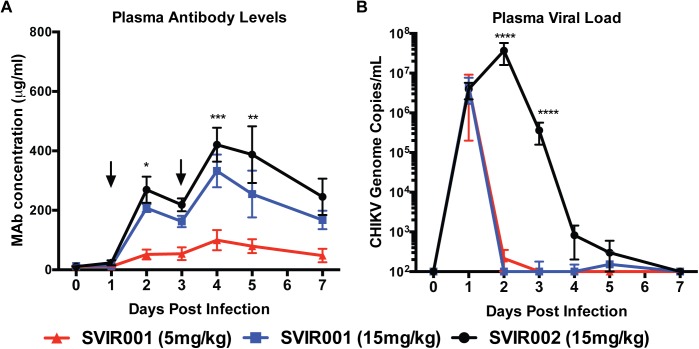
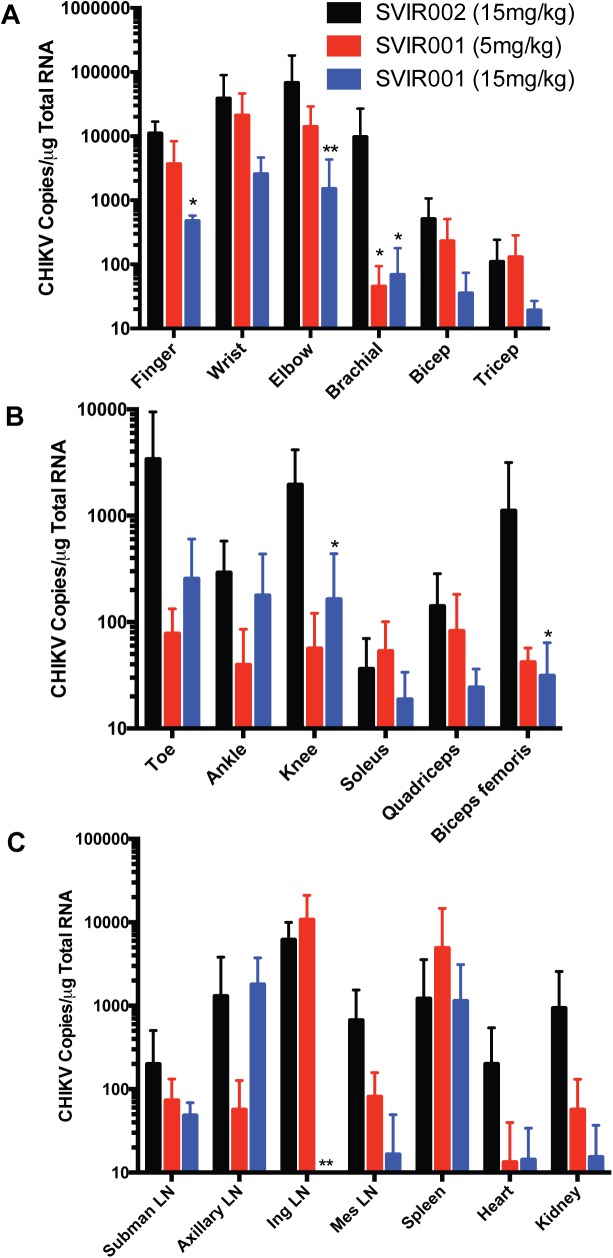
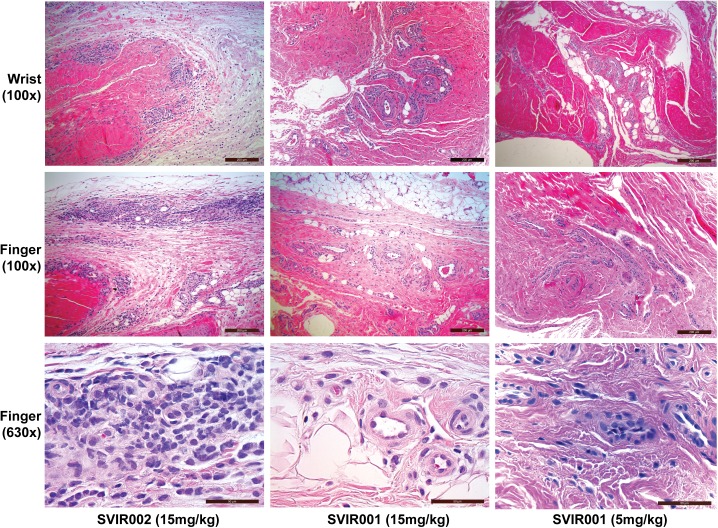
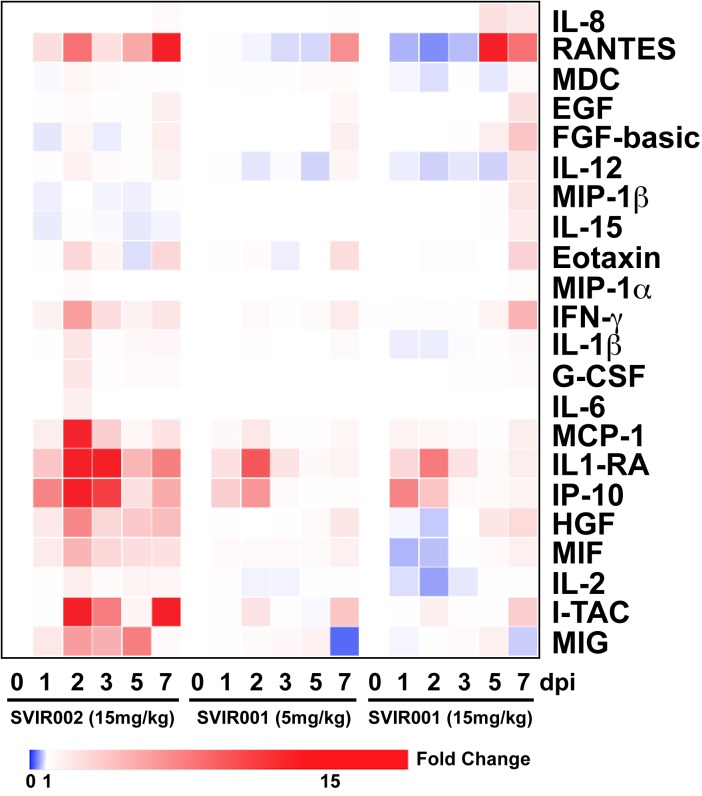
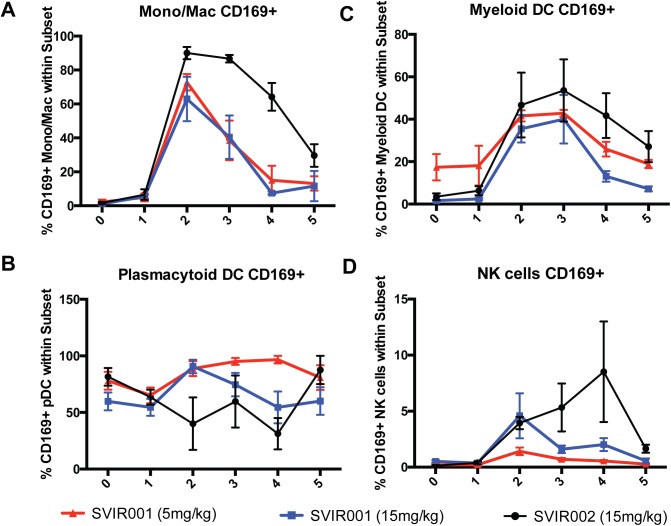
Chikungunya virus (CHIKV) is a mosquito-borne virus that causes a febrile syndrome in humans associated with acute and chronic debilitating joint and muscle pain. Currently no licensed vaccines or therapeutics are available to prevent or treat CHIKV infections. We recently isolated a panel of potently neutralizing human monoclonal antibodies (mAbs), one (4N12) of which exhibited prophylactic and post-exposure therapeutic activity against CHIKV in immunocompromised mice. Here, we describe the development of an engineered CHIKV mAb, designated SVIR001, that has similar antigen binding and neutralization profiles to its parent, 4N12. Because therapeutic administration of SVIR001 in immunocompetent mice significantly reduced viral load in joint tissues, we evaluated its efficacy in a rhesus macaque model of CHIKV infection. Rhesus macaques that were treated after infection with SVIR001 showed rapid elimination of viremia and less severe joint infiltration and disease compared to animals treated with SVIR002, an isotype control mAb. SVIR001 reduced viral burden at the site of infection and at distant sites and also diminished the numbers of activated innate immune cells and levels of pro-inflammatory cytokines and chemokines. SVIR001 therapy; however, did not substantively reduce the induction of CHIKV-specific B or T cell responses. Collectively, these results show promising therapeutic activity of a human anti-CHIKV mAb in rhesus macaques and provide proof-of-principle for its possible use in humans to treat active CHIKV infections.
基孔肯雅病毒(CHIKV)是一种蚊媒病毒,可在人类中引起发热综合征,并伴有急性和慢性使人衰弱的关节和肌肉疼痛。目前尚无获批的疫苗或治疗药物可用于预防或治疗CHIKV感染。我们最近分离出一组具有强效中和作用的人源单克隆抗体(mAb),其中一种(4N12)在免疫受损小鼠中对CHIKV表现出预防和暴露后治疗活性。在此,我们描述了一种工程化的CHIKV mAb,命名为SVIR001,其具有与其亲本4N12相似的抗原结合和中和特性。由于在免疫健全的小鼠中治疗性给予SVIR001可显著降低关节组织中的病毒载量,我们在CHIKV感染的恒河猴模型中评估了其疗效。与用同型对照mAb SVIR002治疗的动物相比,感染后用SVIR001治疗的恒河猴显示病毒血症迅速消除,关节浸润和疾病较轻。SVIR001降低了感染部位和远处部位的病毒负荷,还减少了活化的先天免疫细胞数量以及促炎细胞因子和趋化因子的水平。然而,SVIR001治疗并未实质性降低CHIKV特异性B或T细胞反应的诱导。总体而言,这些结果表明人抗CHIKV mAb在恒河猴中具有有前景的治疗活性,并为其可能用于人类治疗活动性CHIKV感染提供了原理证明。