Department of Cardiothoracic Surgery, Stanford University School of Medicine, Stanford, CA 94305, USA.
Division of Blood and Marrow Transplantation, Department of Medicine, Stanford University School of Medicine, Stanford, CA 94305, USA.
Sci Adv. 2017 Jun 14;3(6):e1603078. doi: 10.1126/sciadv.1603078. eCollection 2017 Jun.
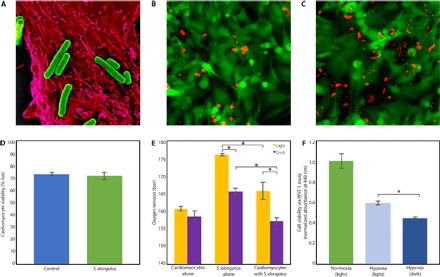
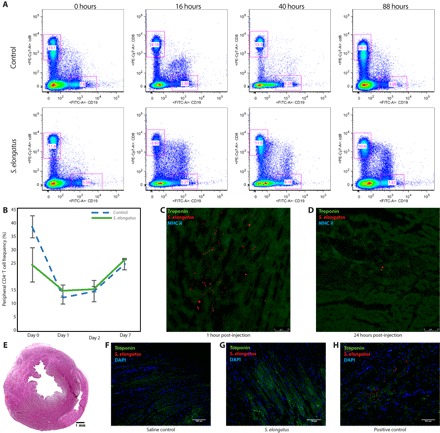
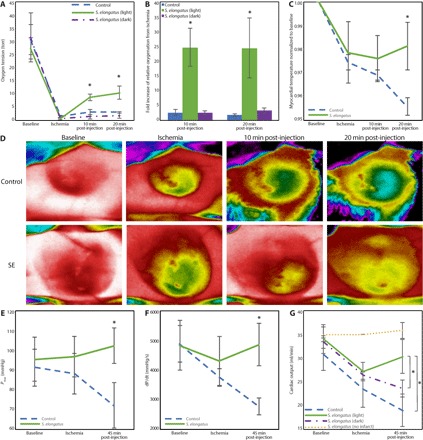
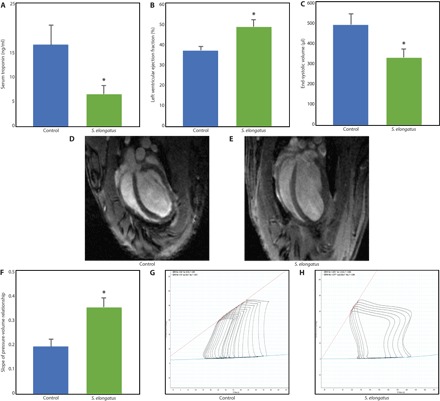
Coronary artery disease is one of the most common causes of death and disability, afflicting more than 15 million Americans. Although pharmacological advances and revascularization techniques have decreased mortality, many survivors will eventually succumb to heart failure secondary to the residual microvascular perfusion deficit that remains after revascularization. We present a novel system that rescues the myocardium from acute ischemia, using photosynthesis through intramyocardial delivery of the cyanobacterium . By using light rather than blood flow as a source of energy, photosynthetic therapy increases tissue oxygenation, maintains myocardial metabolism, and yields durable improvements in cardiac function during and after induction of ischemia. By circumventing blood flow entirely to provide tissue with oxygen and nutrients, this system has the potential to create a paradigm shift in the way ischemic heart disease is treated.
冠状动脉疾病是导致死亡和残疾的最常见原因之一,影响了超过 1500 万美国人。尽管药理学的进步和血运重建技术降低了死亡率,但许多幸存者最终仍会因血运重建后残留的微血管灌注不足而导致心力衰竭。我们提出了一种新的系统,通过心肌内递送蓝细菌来实现光合作用,从而使心肌免受急性缺血的影响。通过利用光而不是血流作为能量来源,光合疗法增加了组织的氧合作用,维持了心肌代谢,并在诱导缺血期间和之后持久地改善了心脏功能。通过完全绕过血流为组织提供氧气和营养,这种系统有可能彻底改变缺血性心脏病的治疗方式。