Tamura Akihiro, Akasaka Kiyokazu, Otsudo Takahiro, Shiozawa Jyunya, Toda Yuka, Yamada Kaori
Saitama Medical University Graduate School of Medicine, Moroyama, Saitama, Japan.
Saitama Medical University, School of Physical Therapy, Moroyama, Saitama, Japan.
PLoS One. 2017 Jun 20;12(6):e0179810. doi: 10.1371/journal.pone.0179810. eCollection 2017.
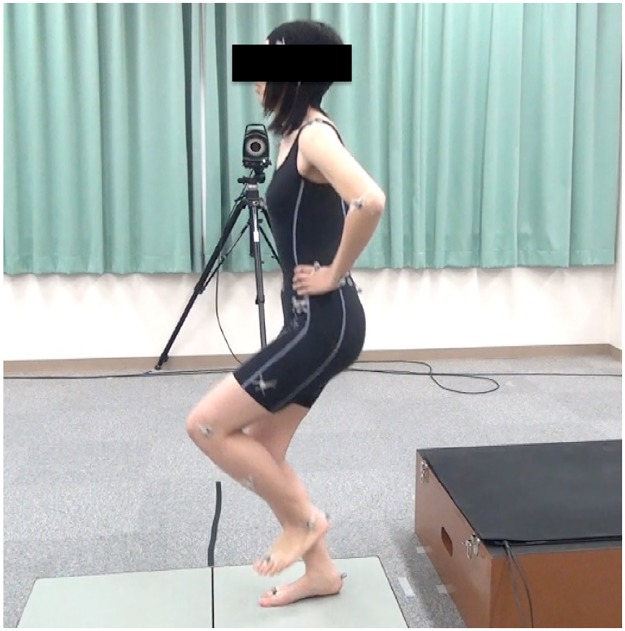
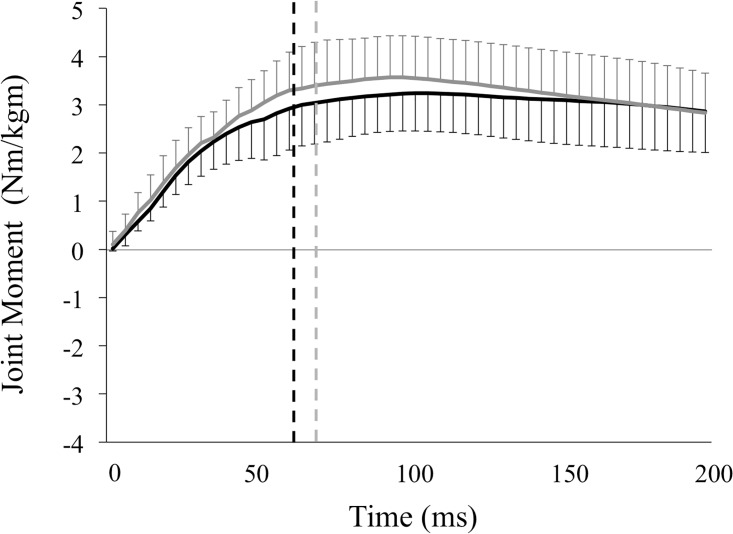
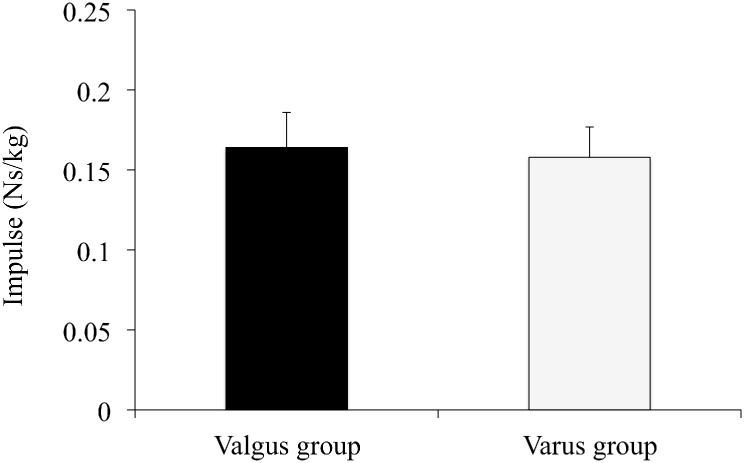
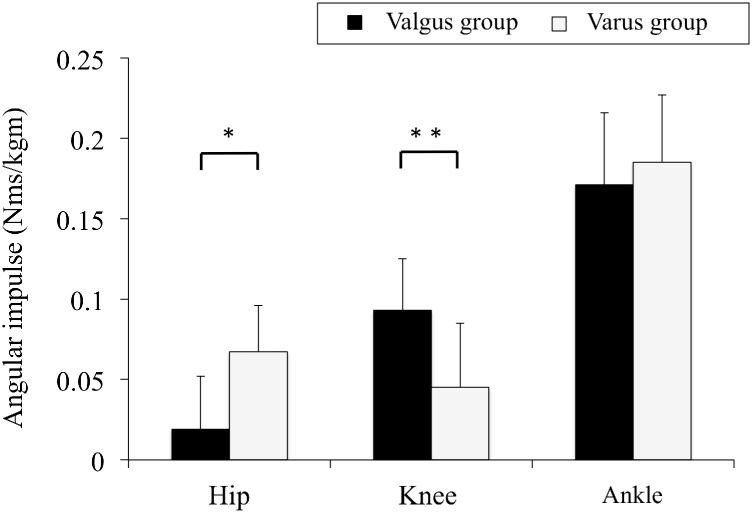
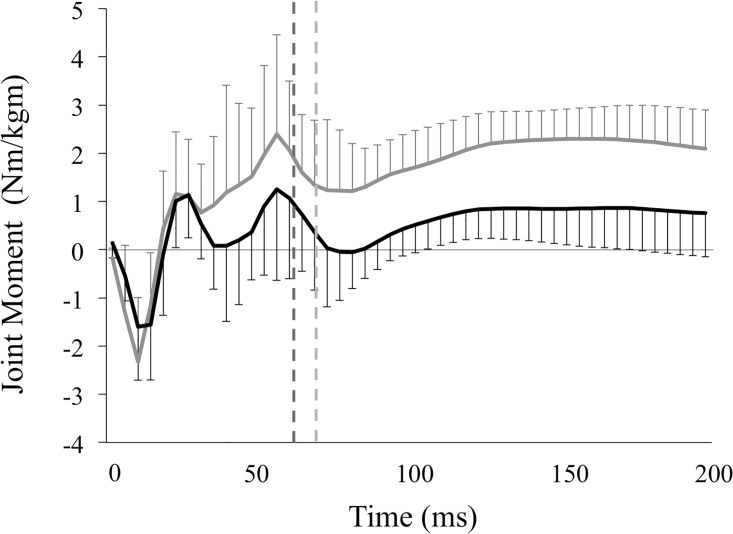
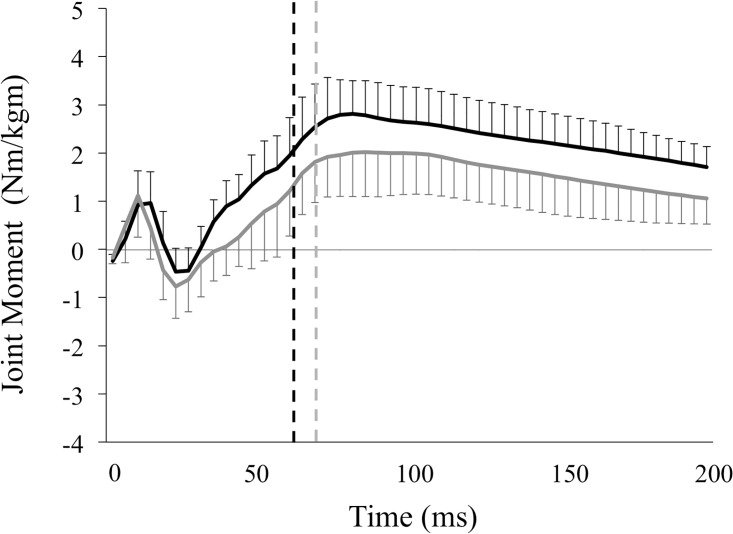
Dynamic knee valgus during landings is associated with an increased risk of non-contact anterior cruciate ligament (ACL) injury. In addition, the impact on the body during landings must be attenuated in the lower extremity joints. The purpose of this study was to investigate landing biomechanics during landing with dynamic knee valgus by measuring the vertical ground reaction force (vGRF) and angular impulses in the lower extremity during a single-leg landing. The study included 34 female college students, who performed the single-leg drop vertical jump. Lower extremity kinetic and kinematic data were obtained from a 3D motion analysis system. Participants were divided into valgus (N = 19) and varus (N = 15) groups according to the knee angular displacement during landings. The vGRF and angular impulses of the hip, knee, and ankle were calculated by integrating the vGRF-time curve and each joint's moment-time curve. vGRF impulses did not differ between two groups. Hip angular impulse in the valgus group was significantly smaller than that in the varus group (0.019 ± 0.033 vs. 0.067 ± 0.029 Nms/kgm, p<0.01), whereas knee angular impulse was significantly greater (0.093 ± 0.032 vs. 0.045 ± 0.040 Nms/kgm, p<0.01). There was no difference in ankle angular impulse between the groups. Our results indicate that dynamic knee valgus increases the impact the knee joint needs to attenuate during landing; conversely, the knee varus participants were able to absorb more of the landing impact with the hip joint.
落地时动态膝外翻与非接触性前交叉韧带(ACL)损伤风险增加有关。此外,下肢关节必须减轻落地时对身体的冲击力。本研究的目的是通过测量单腿落地时的垂直地面反作用力(vGRF)和下肢的角冲量,来研究伴有动态膝外翻的落地生物力学。该研究纳入了34名女大学生,她们进行了单腿下落垂直跳。下肢的动力学和运动学数据通过三维运动分析系统获得。根据落地时的膝关节角位移,参与者被分为外翻组(N = 19)和内翻组(N = 15)。通过对vGRF - 时间曲线和每个关节的力矩 - 时间曲线进行积分,计算出髋、膝和踝关节的vGRF和角冲量。两组之间的vGRF冲量没有差异。外翻组的髋角冲量显著小于内翻组(0.019±0.033 vs. 0.067±0.029 Nms/kgm,p<0.01),而膝角冲量显著更大(0.093±0.032 vs. 0.045±0.040 Nms/kgm,p<0.01)。两组之间的踝角冲量没有差异。我们的结果表明,动态膝外翻增加了膝关节在落地时需要衰减的冲击力;相反,膝内翻参与者能够通过髋关节吸收更多的落地冲击力。