State Key Laboratory of Robotics, Shenyang Institute of Automation, Chinese Academy of Sciences , Shenyang 110016, China.
College of Animal Science, South China Agricultural University , Guangzhou 510642, China.
ACS Appl Mater Interfaces. 2017 Jul 12;9(27):22160-22175. doi: 10.1021/acsami.7b04428. Epub 2017 Jun 29.
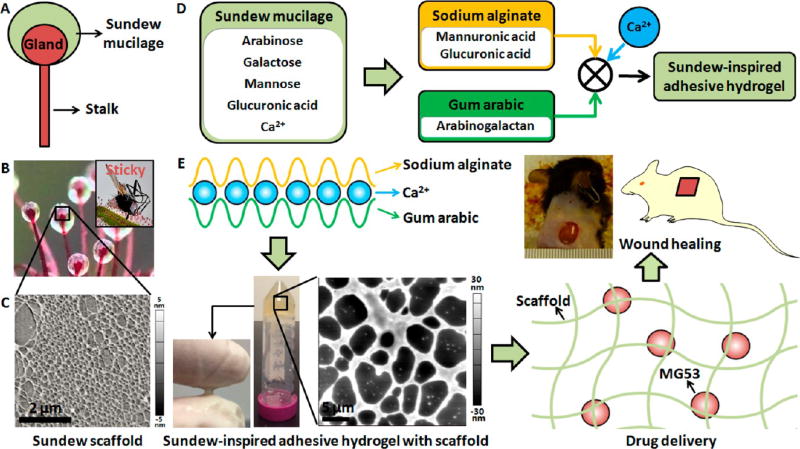
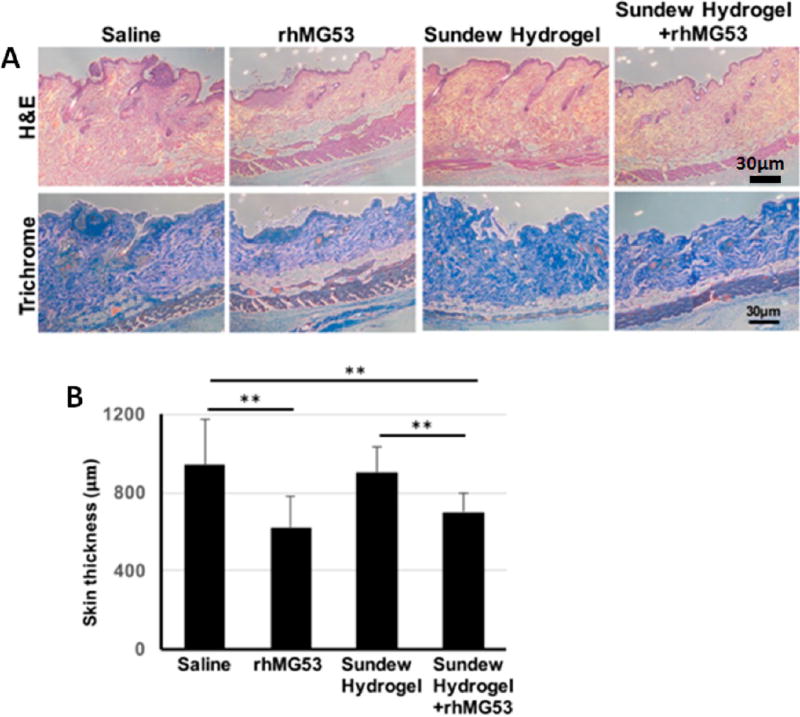
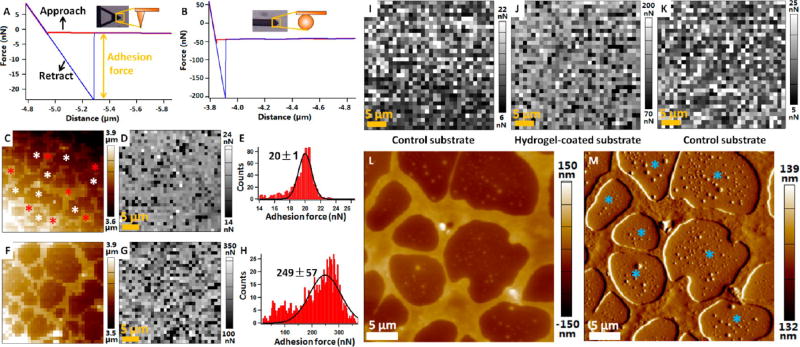
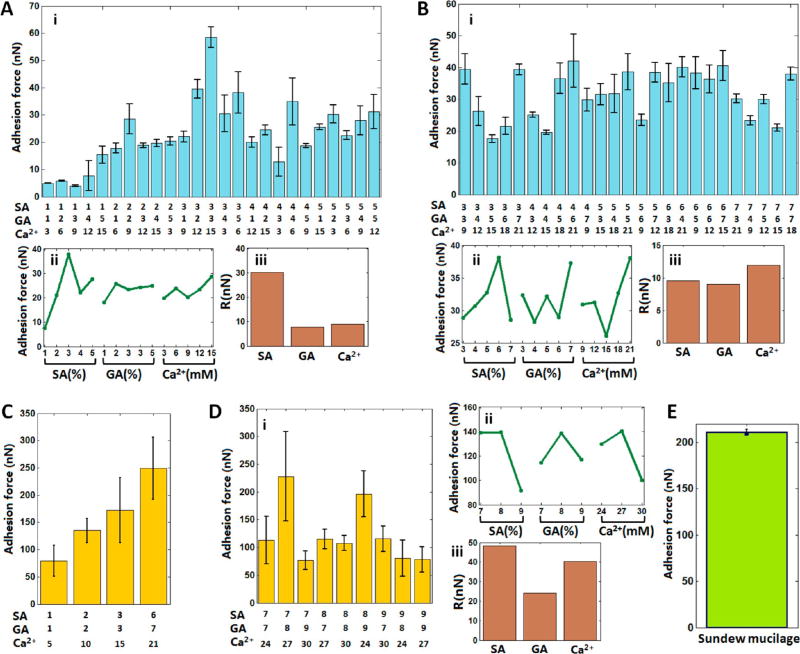
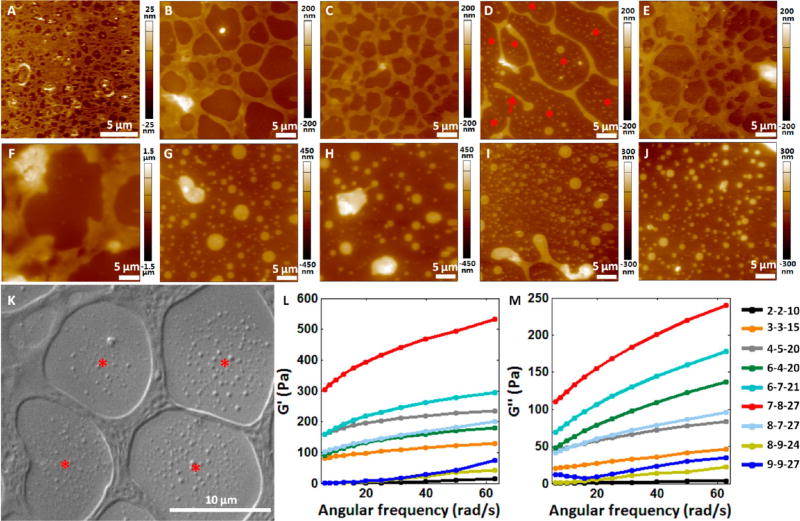
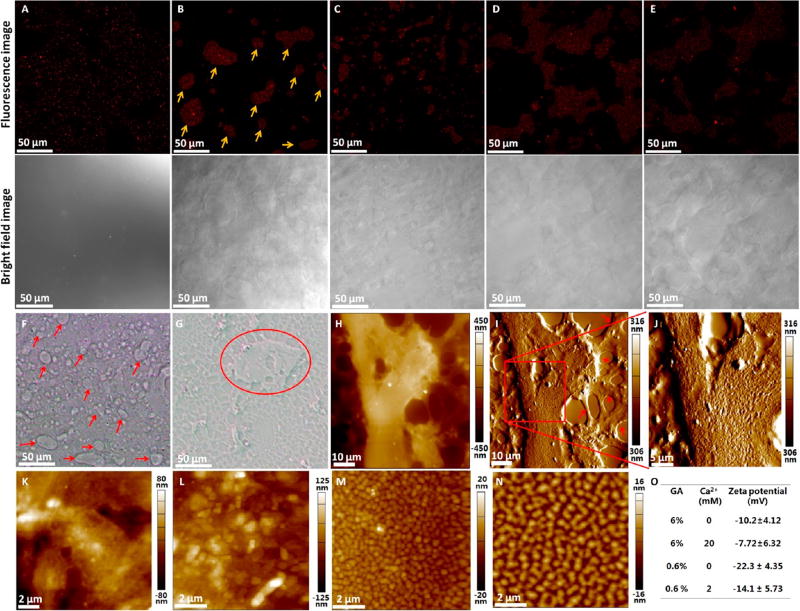
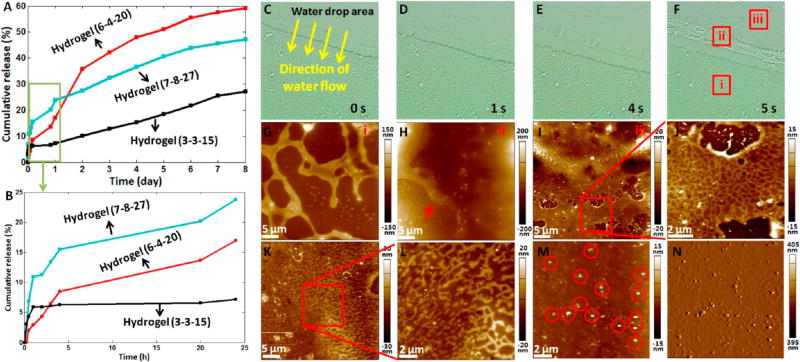
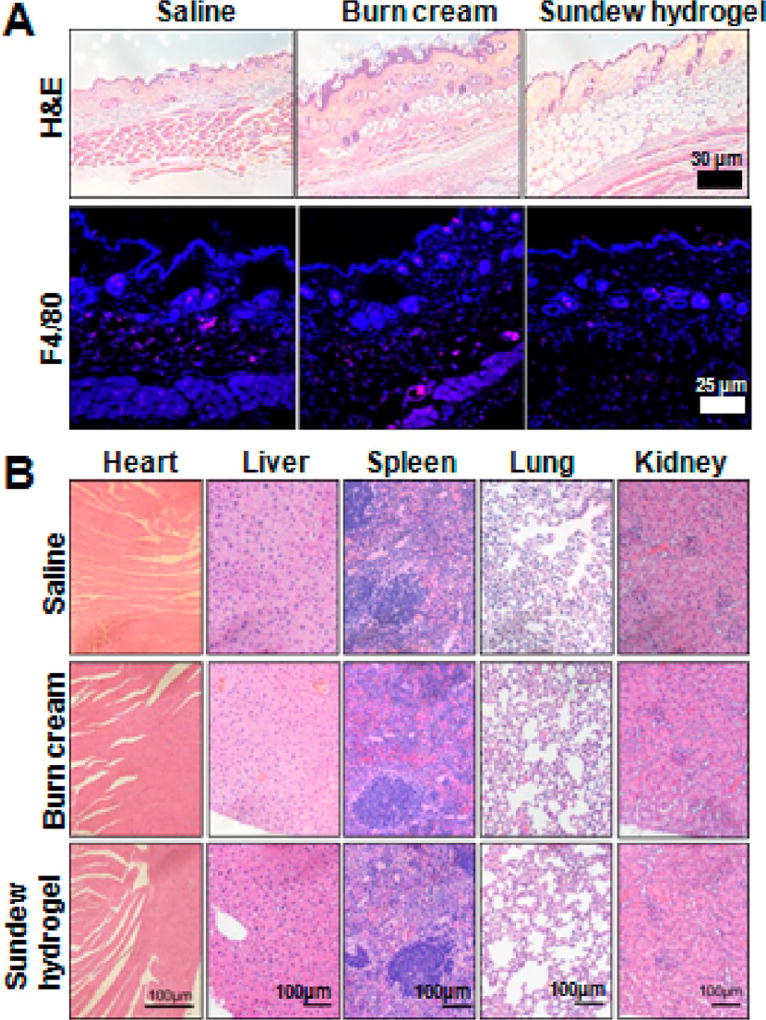
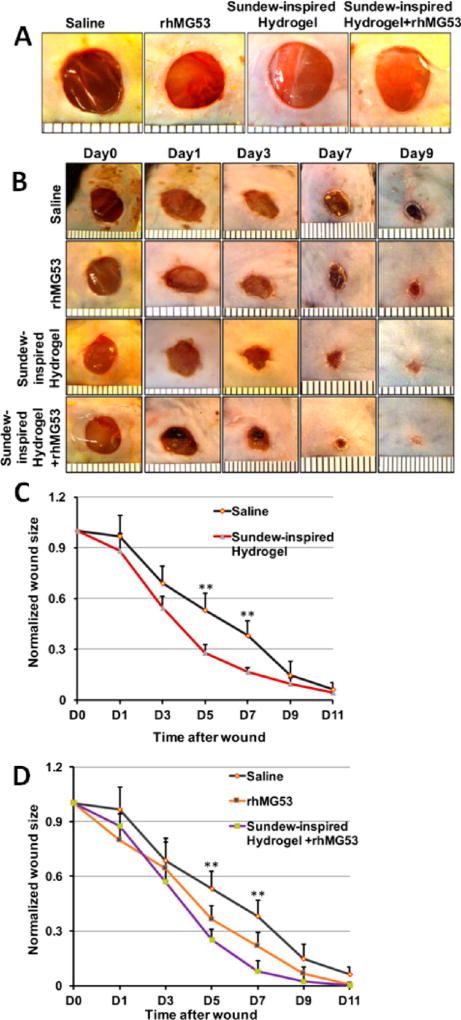
Biopolymeric hydrogels have drawn increasing research interest in biomaterials due to their tunable physical and chemical properties for both creating bioactive cellular microenvironment and serving as sustainable therapeutic reagents. Inspired by a naturally occurring hydrogel secreted from the carnivorous Sundew plant for trapping insects, here we have developed a bioinspired hydrogel to deliver mitsugumin 53 (MG53), an important protein in cell membrane repair, for chronic wound healing. Both chemical compositions and micro-/nanomorphological properties inherent from the natural Sundew hydrogel were mimicked using sodium alginate and gum arabic with calcium ion-mediated cross-linking. On the basis of atomic force microscopy (AFM) force measurements, an optimal sticky hydrogel scaffold was obtained through orthogonal experimental design. Imaging and mechanical analysis showed the distinct correlation between structural morphology, adhesion characteristics, and mechanical properties of the Sundew-inspired hydrogel. Combined characterization and biochemistry techniques were utilized to uncover the underlying molecular composition involved in the interactions between hydrogel and protein. In vitro drug release experiments confirmed that the Sundew-inspired hydrogel had a biphasic-kinetics release, which can facilitate both fast delivery of MG53 for improving the reepithelization process of the wounds and sustained release of the protein for treating chronic wounds. In vivo experiments showed that the Sundew-inspired hydrogel encapsulating with rhMG53 could facilitate dermal wound healing in mouse model. Together, these studies confirmed that the Sundew-inspired hydrogel has both tunable micro-/nanostructures and physicochemical properties, which enable it as a delivery vehicle for chronic wounding healing. The research may provide a new way to develop biocompatible and tunable biomaterials for sustainable drug release to meet the needs of biological activities.
生物聚合水凝胶因其可调的物理和化学性质而在生物材料领域引起了越来越多的研究兴趣,既可以创造具有生物活性的细胞微环境,又可以作为可持续的治疗试剂。受食虫植物茅膏菜分泌的天然水凝胶用于捕获昆虫的启发,我们开发了一种仿生水凝胶来递送细胞膜修复中重要的蛋白 MG53,用于慢性伤口愈合。通过使用海藻酸钠和阿拉伯胶与钙离子介导的交联,模拟了天然茅膏菜水凝胶的化学组成和固有微/纳米形态特征。基于原子力显微镜(AFM)力测量,通过正交实验设计获得了最佳粘性水凝胶支架。成像和力学分析表明,茅膏菜启发的水凝胶的结构形态、粘附特性和力学性能之间存在明显的相关性。结合表征和生物化学技术,揭示了水凝胶与蛋白质相互作用中涉及的潜在分子组成。体外药物释放实验证实,茅膏菜启发的水凝胶具有双相动力学释放,这可以促进 MG53 的快速递送,以改善伤口的再上皮化过程,以及蛋白质的持续释放,以治疗慢性伤口。体内实验表明,包封 rhMG53 的茅膏菜启发水凝胶可促进小鼠模型的皮肤伤口愈合。总之,这些研究证实,茅膏菜启发的水凝胶具有可调的微/纳米结构和物理化学性质,使其成为一种用于慢性伤口愈合的递送载体。该研究可能为开发具有生物相容性和可调性的生物材料提供新途径,以满足生物活性的需求。