School of Chemical Engineering, Xi'an University, Xi'an 710065, China.
Institute of Analytical Science/Shaanxi Provincial Key Laboratory of Electroanalytical Chemistry, Northwest University, Xi'an 710069, China.
Molecules. 2017 Jun 23;22(7):1047. doi: 10.3390/molecules22071047.
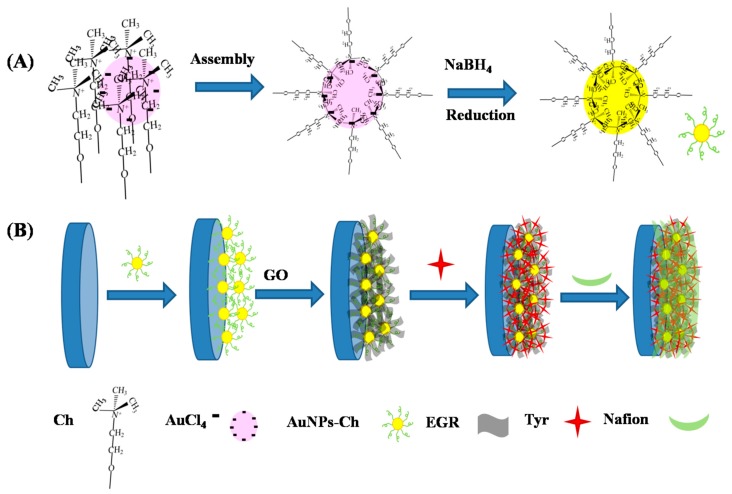
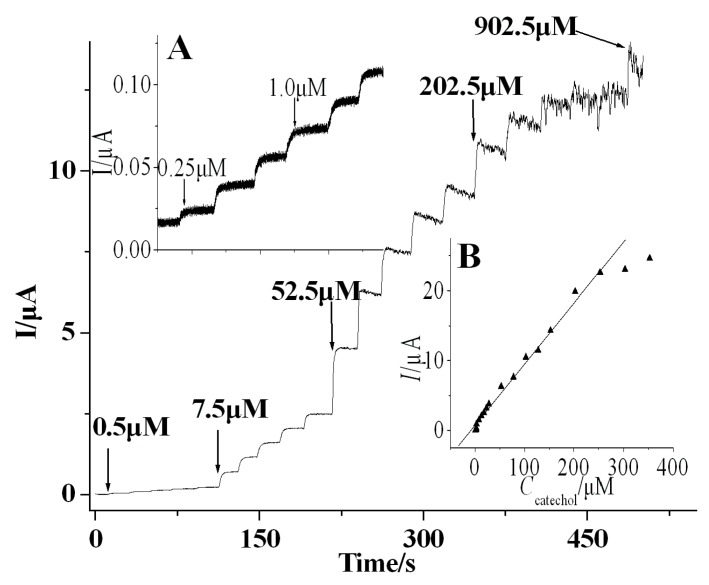
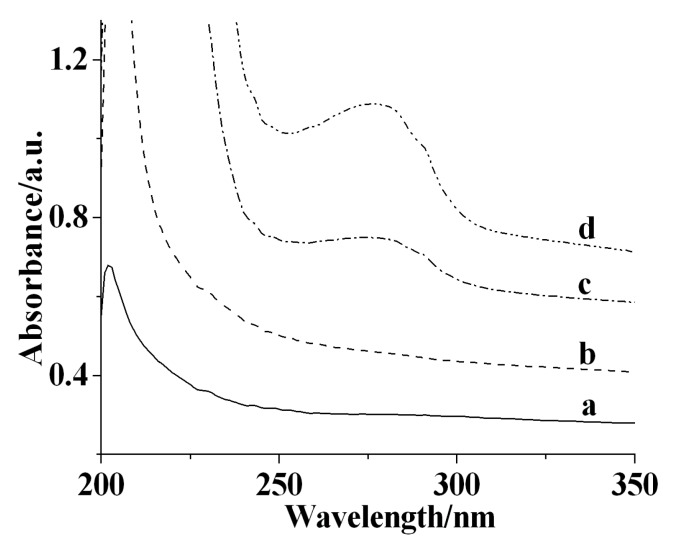
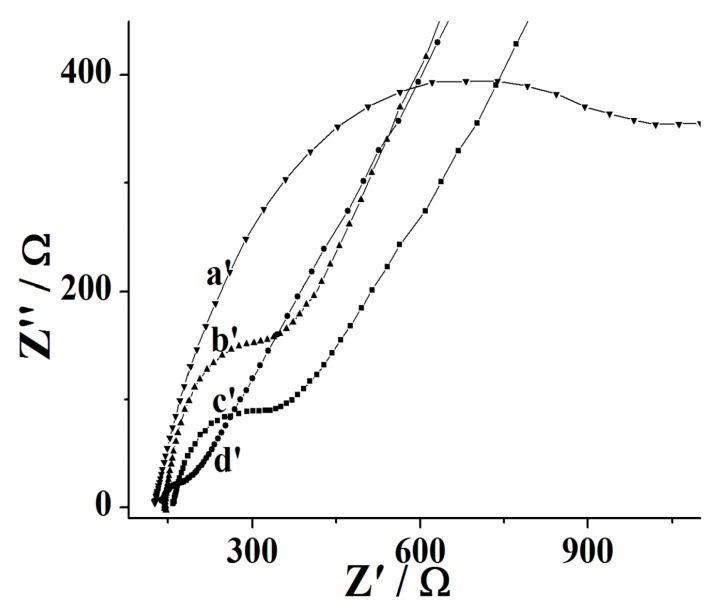
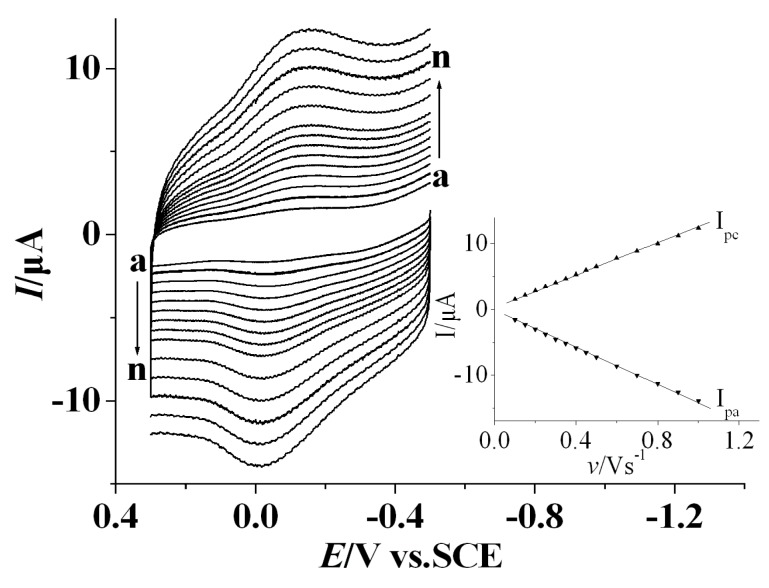
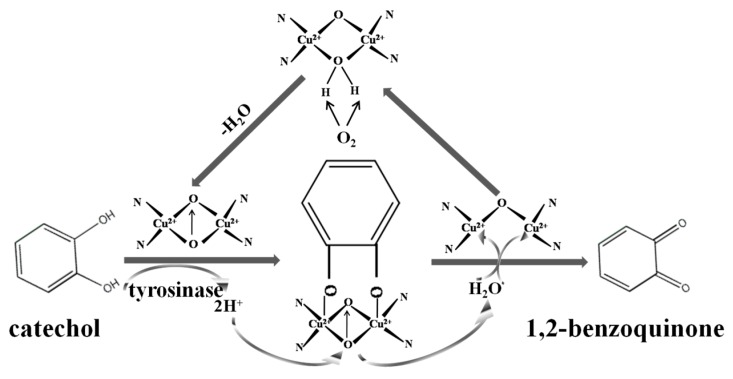
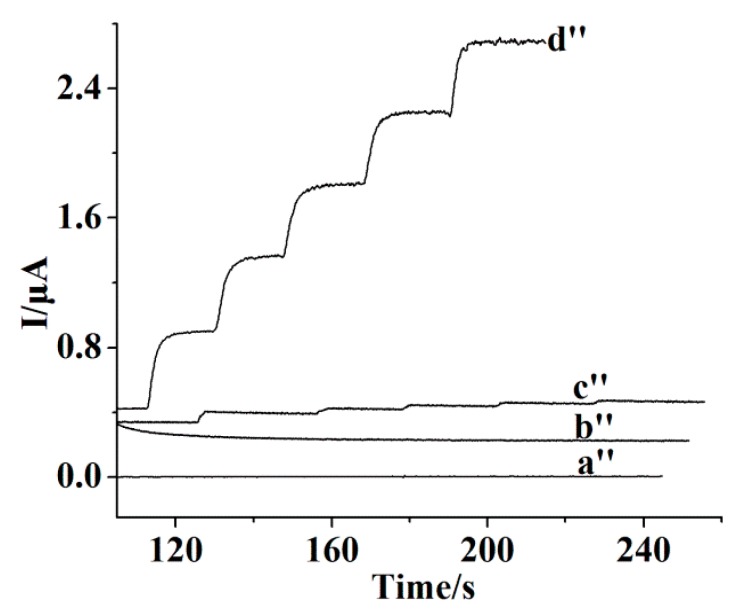
A novel catechol (CA) biosensor was developed by embedding tyrosinase (Tyr) onto in situ electrochemical reduction graphene (EGR) on choline-functionalized gold nanoparticle (AuNPs-Ch) film. The results of UV-Vis spectra indicated that Tyr retained its original structure in the film, and an electrochemical investigation of the biosensor showed a pair of well-defined, quasi-reversible redox peaks with = -0.0744 V and = -0.114 V (vs. SCE) in 0.1 M, pH 7.0 sodium phosphate-buffered saline at a scan rate of 100 mV/s. The transfer rate constant is 0.66 s. The Tyr-EGR/AuNPs-Ch showed a good electrochemical catalytic response for the reduction of CA, with the linear range from 0.2 to 270 μM and a detection limit of 0.1 μM (S/N = 3). The apparent Michaelis-Menten constant was estimated to be 109 μM.
一种新型儿茶酚(CA)生物传感器是通过将酪氨酸酶(Tyr)嵌入到胆碱功能化金纳米粒子(AuNPs-Ch)薄膜上原位电化学还原的石墨烯(EGR)中开发的。紫外可见光谱的结果表明,Tyr 在薄膜中保留了其原始结构,生物传感器的电化学研究表明,在 0.1 M、pH 7.0 的磷酸缓冲盐溶液中,扫描速率为 100 mV/s 时,存在一对具有良好定义的准可逆氧化还原峰, = -0.0744 V 和 = -0.114 V(相对于 SCE)。转移速率常数 为 0.66 s。Tyr-EGR/AuNPs-Ch 对 CA 的还原表现出良好的电化学催化响应,线性范围为 0.2 至 270 μM,检测限为 0.1 μM(S/N = 3)。表观米氏常数估计为 109 μM。