The Research Center for Nano Biomaterials, Analytical & Testing Center, Sichuan University, Chengdu, 610064, China.
State Key Laboratory of Oral Diseases, National Clinical Research Center for Oral Disease, West China Hospital of Stomatology, Sichuan University, Chengdu, Sichuan, 610064, China.
Sci Rep. 2017 Jun 23;7(1):4155. doi: 10.1038/s41598-017-04395-0.
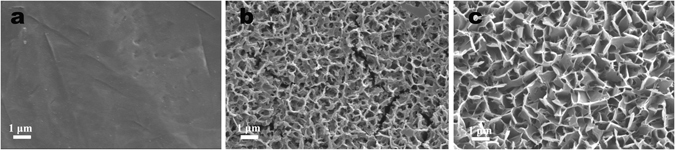
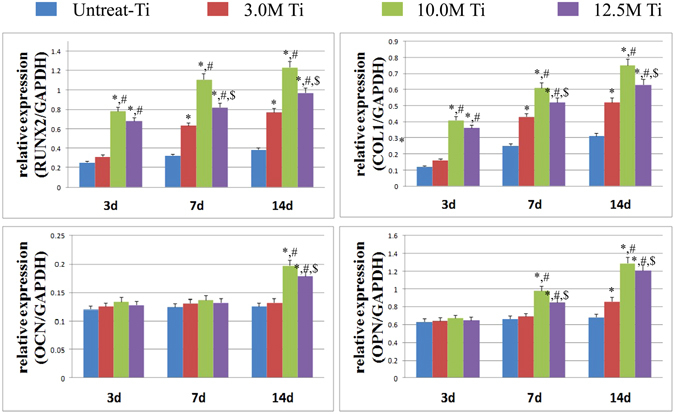
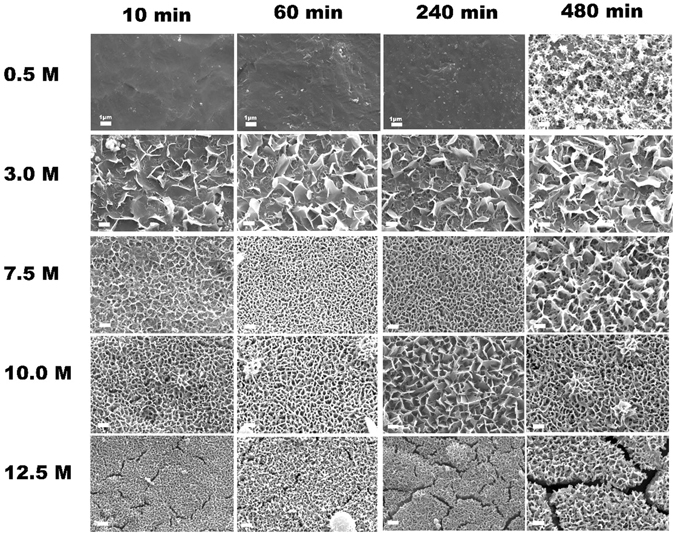
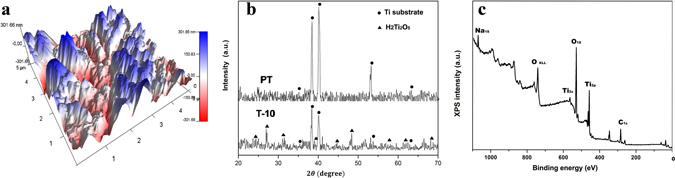
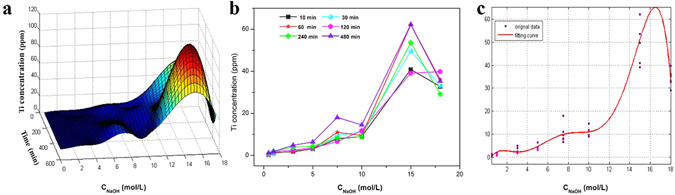
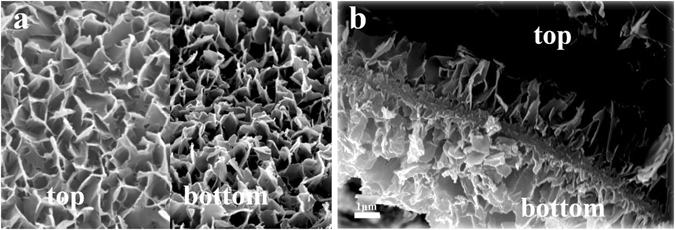
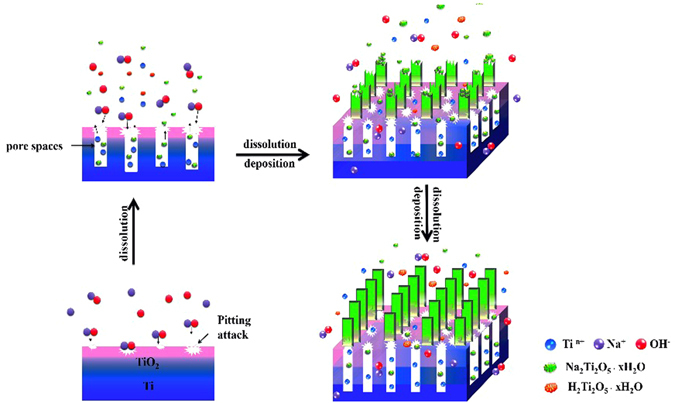
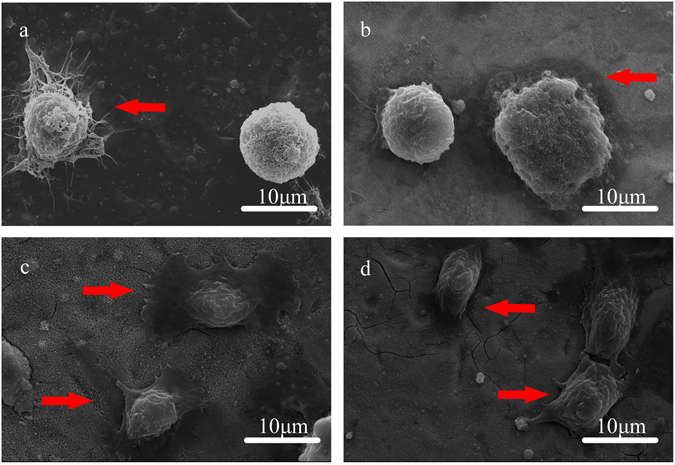
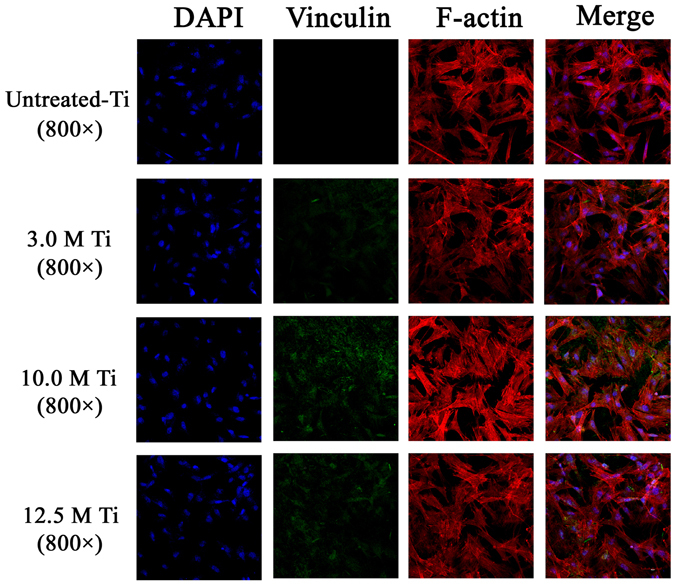
Facile fabrication of nanostructured surface is of great importance for the use of titanium (Ti) implants in biomedical field. In this study, a low-cost and easy-to-operate method called HPT (hydrothermal & pressure) here has been developed and used to fabricate the expected nanostructured surface on Ti substrates. The effects of experimental parameters on the morphology of Ti surface were investigated and characterized. The results indicated that by altering the hydrothermal pressure, NaOH concentration and treating time, surface nanostructure like nanopetals or nanoflakes could be formed on the surface of Ti substrates. The orthogonal experiments were conducted to demonstrate the optimized operation conditions. A formation mechanism of the nanostructured titanate layer was proposed, revealing that the nanostructured layer could be formed via a special upward and downward co-growth manner. In vitro cell culture showed that the HPT treated Ti substrates, especially the T-10 sample, could greatly enhance the cell-material interactions, i.e. the cell proliferation and differentiation, focal protein adhesion, and osteogenic factor expression. The HPT method paves a new way to modify the surface of Ti implants with better bioactivity and promising prospect for future biomedical applications.
易于制造纳米结构表面对于钛(Ti)植入物在生物医学领域的应用非常重要。在这项研究中,开发了一种低成本且易于操作的方法,称为 HPT(水热和压力),用于在 Ti 衬底上制造预期的纳米结构表面。研究了实验参数对 Ti 表面形貌的影响并进行了表征。结果表明,通过改变水热压力、NaOH 浓度和处理时间,可以在 Ti 衬底表面形成纳米花瓣或纳米片等表面纳米结构。进行了正交实验以验证优化的操作条件。提出了纳米结构钛酸盐层的形成机制,表明纳米结构层可以通过特殊的上下共同生长方式形成。体外细胞培养表明,HPT 处理的 Ti 衬底,特别是 T-10 样品,可极大地增强细胞-材料相互作用,即细胞增殖和分化、焦点蛋白黏附以及成骨因子表达。HPT 方法为改善 Ti 植入物的生物活性开辟了新途径,具有广阔的前景,有望在未来的生物医学应用中得到应用。