Popescu Roxana Cristina, Andronescu Ecaterina, Vasile Bogdan Ștefan, Truşcă Roxana, Boldeiu Adina, Mogoantă Laurențiu, Mogoșanu George Dan, Temelie Mihaela, Radu Mihai, Grumezescu Alexandru Mihai, Savu Diana
Department of Life and Environmental Physics, "Horia Hulubei" National Institute for Physics and Nuclear Engineering, 30 Reactorului Street, Măgurele 077125, Romania.
Department of Science and Engineering of Oxide Materials and Nanomaterials, Faculty of Applied Chemistry and Materials Science, University Politehnica of Bucharest, 1-7 Polizu Street, Bucharest 011061, Romania.
Molecules. 2017 Jun 28;22(7):1080. doi: 10.3390/molecules22071080.
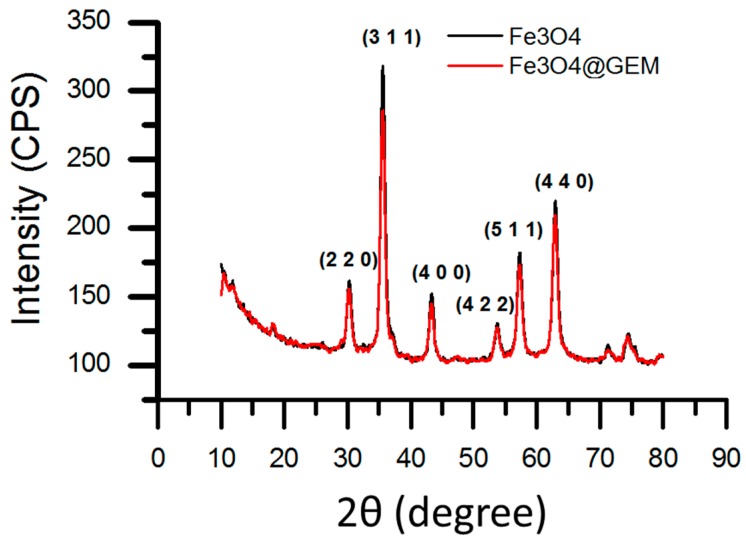
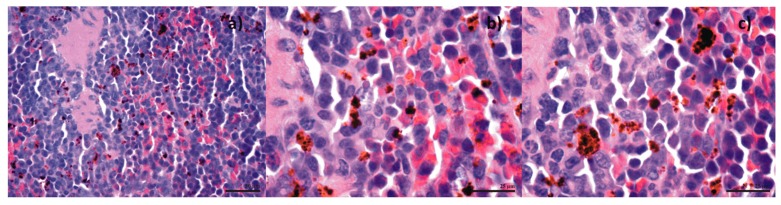
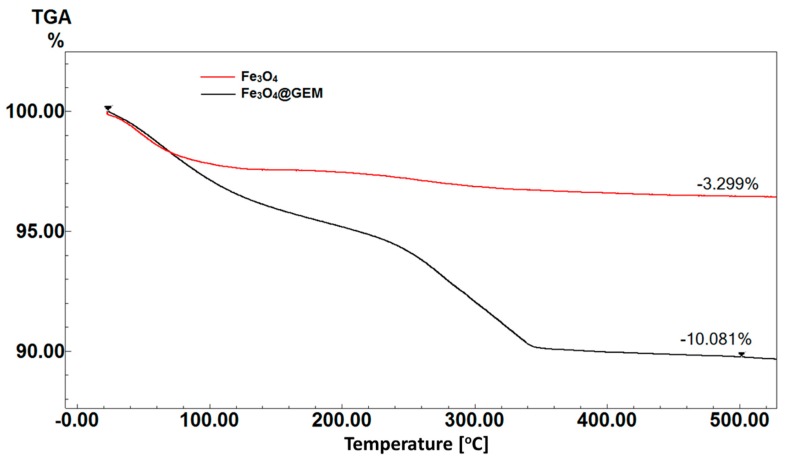
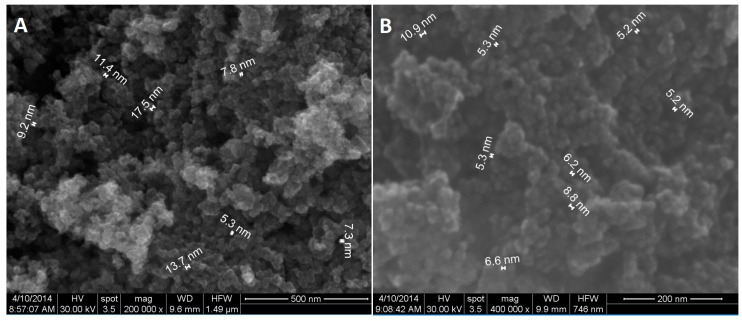
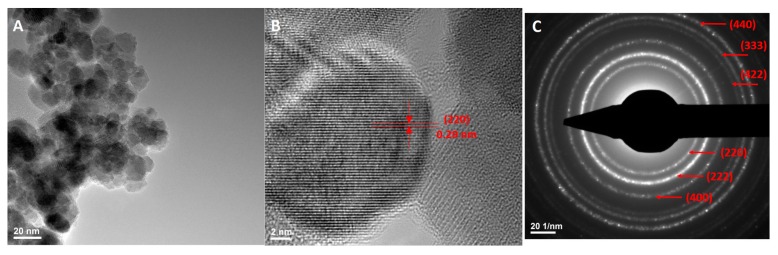
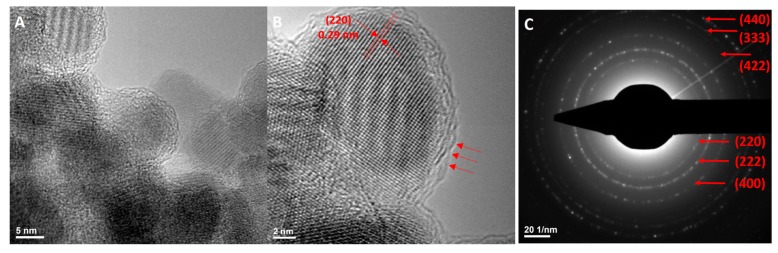
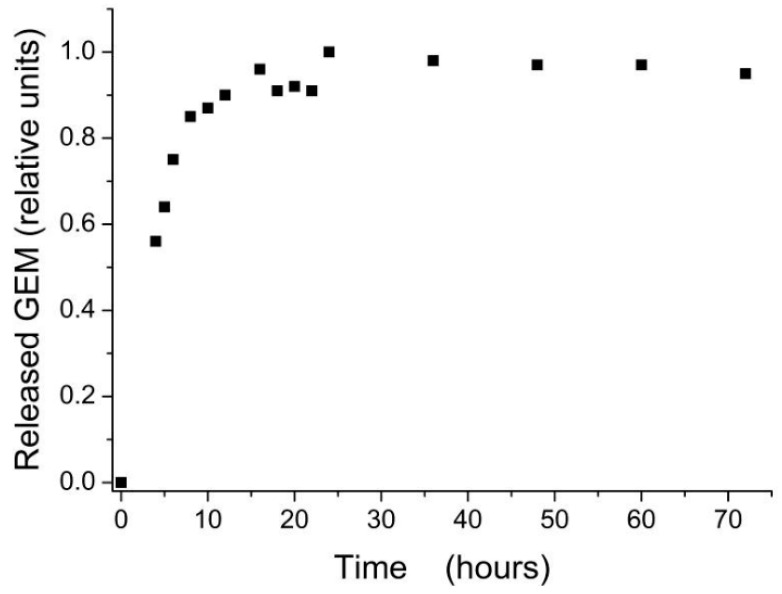
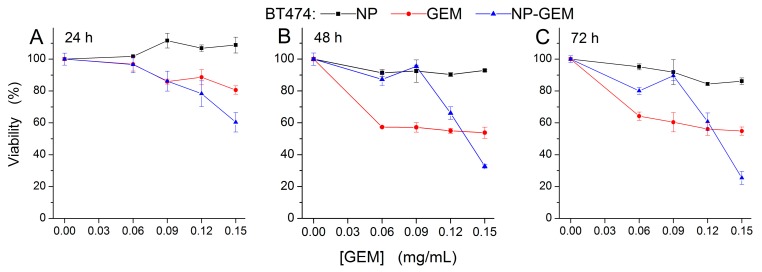
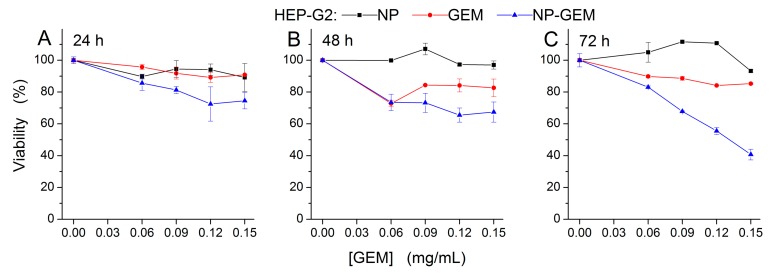
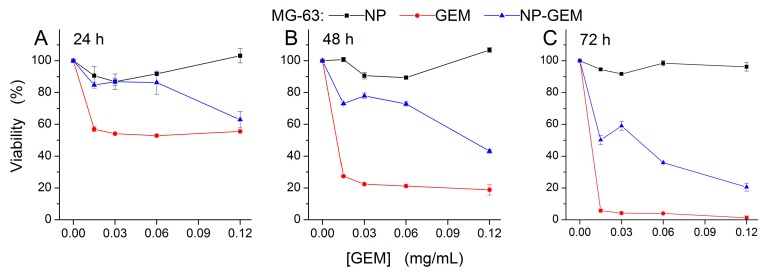
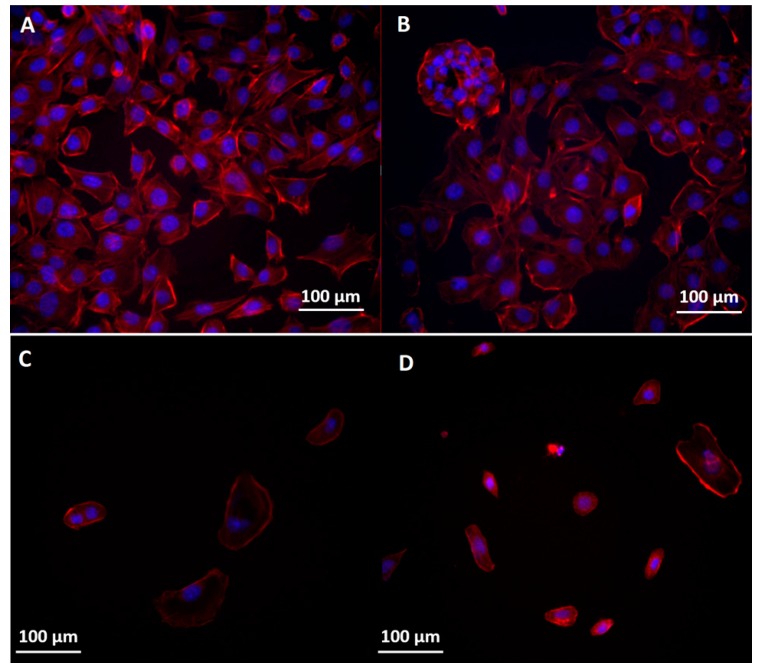
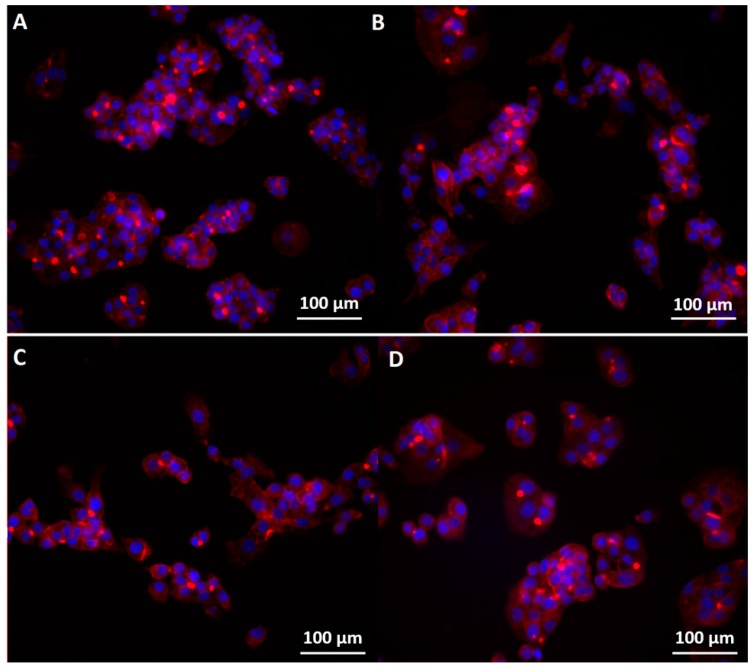
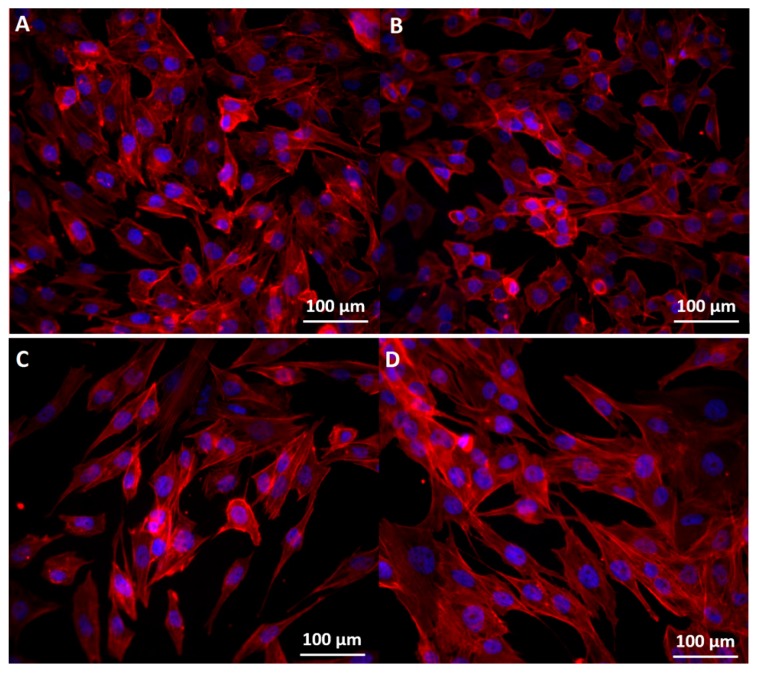
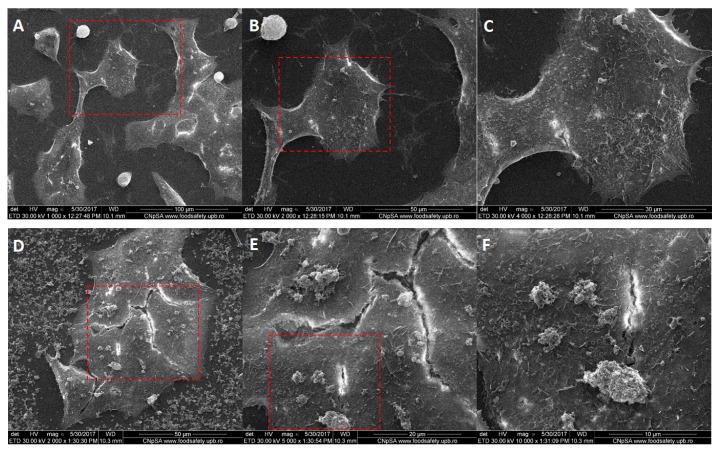
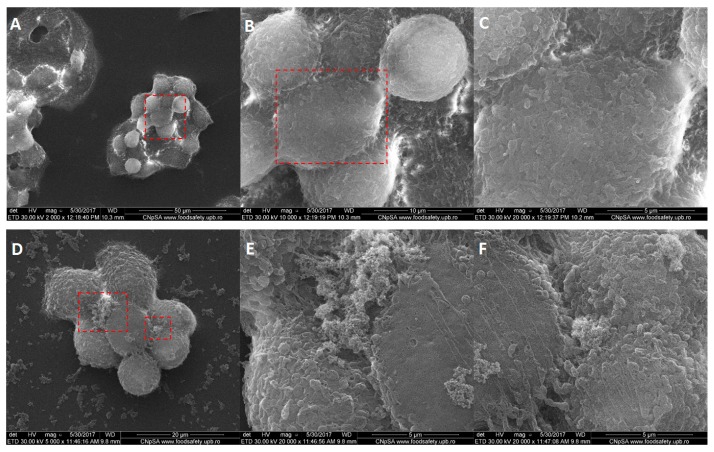
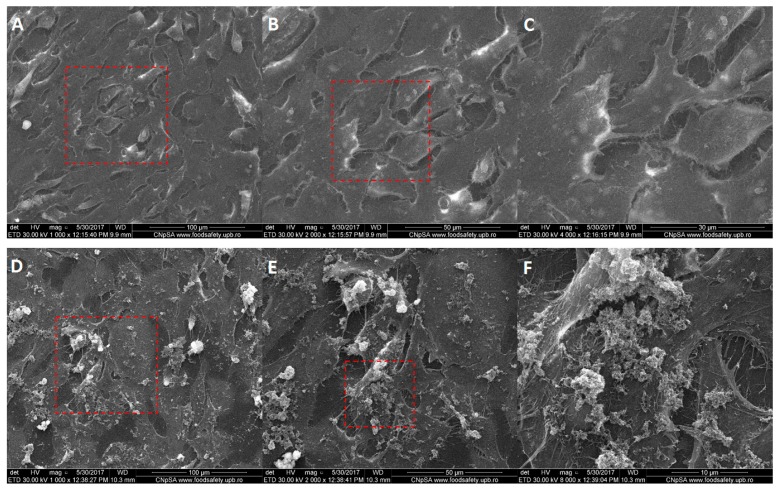
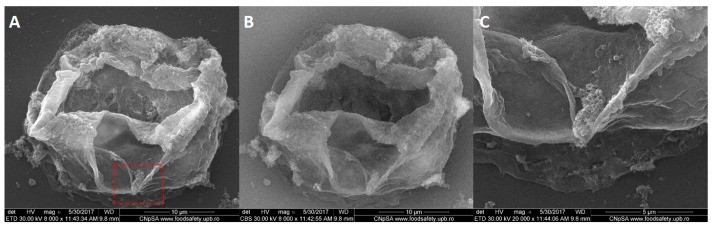
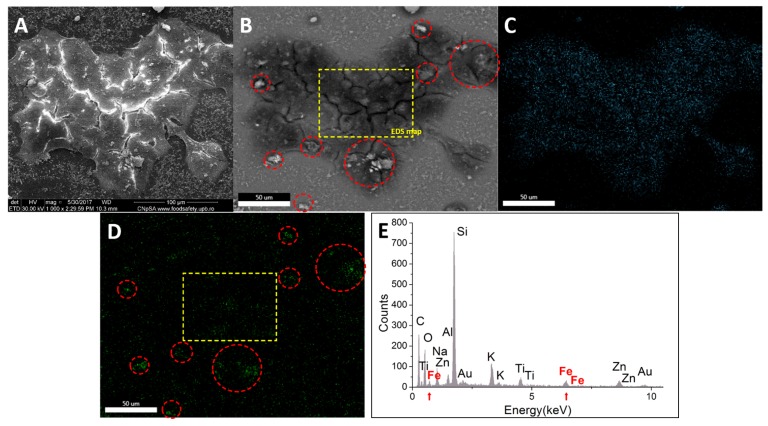
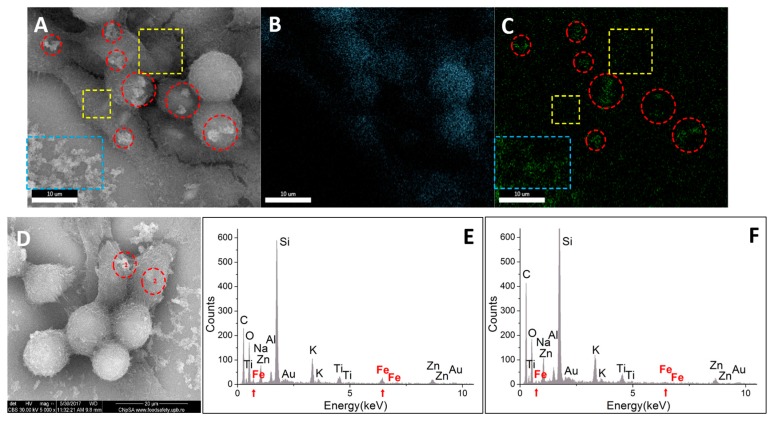
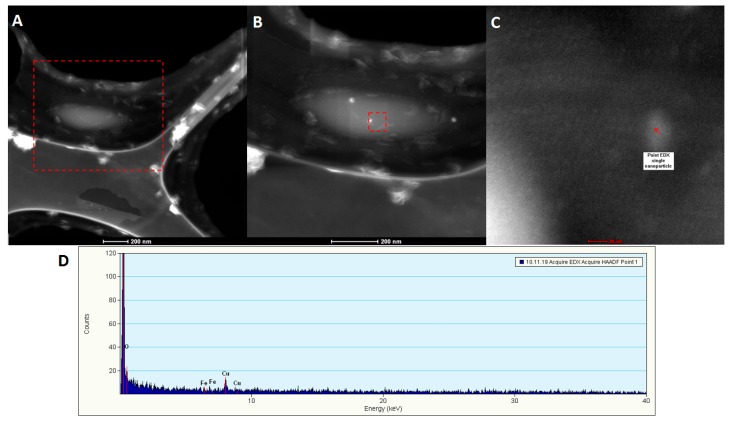
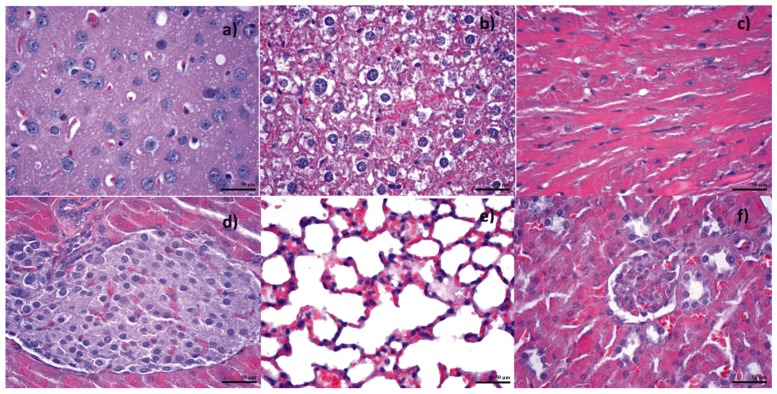
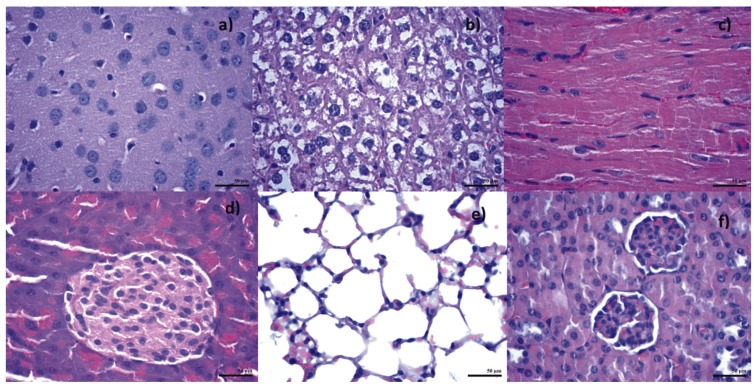
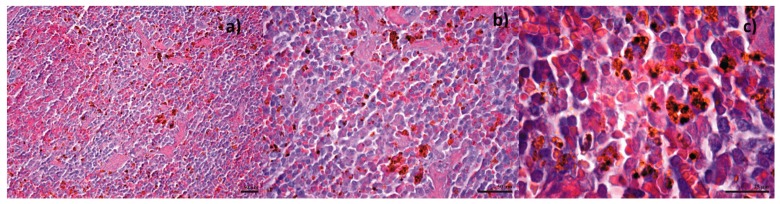
Nanotechnology has been successfully used for the fabrication of targeted anti-cancer drug carriers. This study aimed to obtain Fe₃O₄ nanoparticles functionalized with Gemcitabine to improve the cytotoxic effects of the chemotherapeutic substance on cancer cells. The (un) functionalized magnetite nanoparticles were synthesized using a modified co-precipitation method. The nanoconjugate characterization was performed by XRD, SEM, SAED and HRTEM; the functionalizing of magnetite with anti-tumor substances has been highlighted through TGA. The interaction with biologic media has been studied by means of stability and agglomeration tendency (using DLS and Zeta Potential); also, the release kinetics of the drug in culture media was evaluated. Cytotoxicity of free-Gemcitabine and the obtained nanoconjugate were evaluated on human BT 474 breast ductal carcinoma, HepG2 hepatocellular carcinoma and MG 63 osteosarcoma cells by MTS. In parallel, cellular morphology of these cells were examined through fluorescence microscopy and SEM. The localization of the nanoparticles related to the cells was studied using SEM, EDX and TEM. Hemolysis assay showed no damage of erythrocytes. Additionally, an in vivo biodistribution study was made for tracking where Fe₃O₄@Gemcitabine traveled in the body of mice. Our results showed that the transport of the drug improves the cytotoxic effects in comparison with the one produced by free Gemcitabine for the BT474 and HepG2 cells. The in vivo biodistribution test proved nanoparticle accumulation in the vital organs, with the exception of spleen, where black-brown deposits have been found. These results indicate that our Gemcitabine-functionalized nanoparticles are a promising targeted system for applications in cancer therapy.
纳米技术已成功用于制备靶向抗癌药物载体。本研究旨在获得用吉西他滨功能化的Fe₃O₄纳米颗粒,以提高这种化疗物质对癌细胞的细胞毒性作用。采用改进的共沉淀法合成了(未)功能化的磁铁矿纳米颗粒。通过XRD、SEM、SAED和HRTEM对纳米共轭物进行了表征;通过TGA突出了用抗肿瘤物质对磁铁矿进行功能化的过程。通过稳定性和团聚趋势(使用DLS和Zeta电位)研究了与生物介质的相互作用;此外,还评估了药物在培养基中的释放动力学。通过MTS评估了游离吉西他滨和所得纳米共轭物对人BT 474乳腺导管癌、HepG2肝细胞癌和MG 63骨肉瘤细胞的细胞毒性。同时,通过荧光显微镜和SEM检查了这些细胞的细胞形态。使用SEM、EDX和TEM研究了纳米颗粒与细胞的定位关系。溶血试验表明红细胞未受损。此外,还进行了体内生物分布研究,以追踪Fe₃O₄@吉西他滨在小鼠体内的行踪。我们的结果表明,与游离吉西他滨对BT474和HepG2细胞产生的作用相比,药物的转运提高了细胞毒性作用。体内生物分布试验证明纳米颗粒在重要器官中积累,但脾脏除外,在脾脏中发现了黑褐色沉积物。这些结果表明,我们的吉西他滨功能化纳米颗粒是一种有前途的靶向系统,可用于癌症治疗。