Patel Jay, Ketkar Sameer, Patil Sharvil, Fearnley James, Mahadik Kakasaheb R, Paradkar Anant R
Centre for Advanced Research in Pharmaceutical Sciences, Poona College of Pharmacy, Bharati Vidyapeeth University, Erandwane, India.
Apiceutical Research Centre, Whitby, United Kingdom.
Integr Med Res. 2015 Jun;4(2):94-101. doi: 10.1016/j.imr.2014.10.004. Epub 2014 Oct 30.
is a multicomponent active, complex resinous substance collected by honeybees () from a variety of plant sources. This study was designed to improve the antimicrobial efficacy of propolis by engineering a niosomal-based system for topical application.
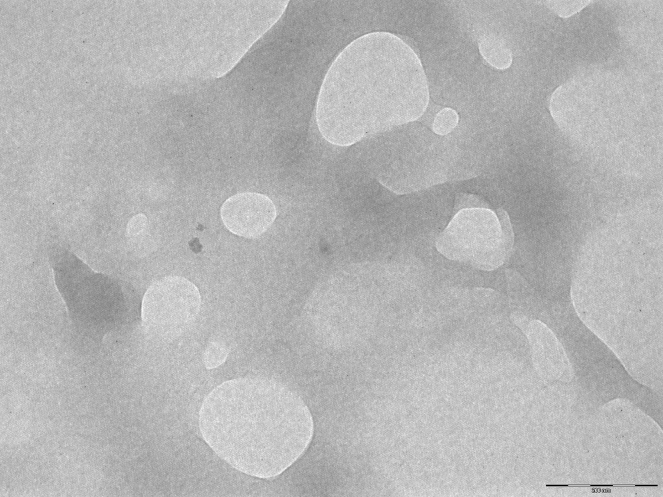
Propolis was extracted in ethanol and screened for total polyphenol content. Propolis-loaded niosomes (PLNs) were prepared with varying concentrations of Span 60 and cholesterol. The PLNs were evaluated for physicochemical parameters, namely, vesicle size, entrapment efficiency, zeta potential, surface topography and shape, and stability, followed by screening for antimicrobial activity. The PLNs were formulated into propolis niosomal gel (PNG) using Carbopol P934 base and subjected to skin deposition study.
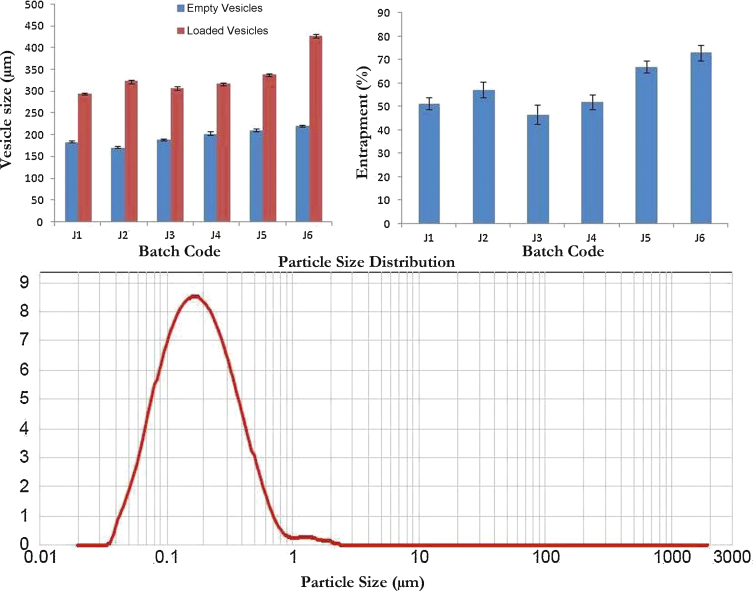
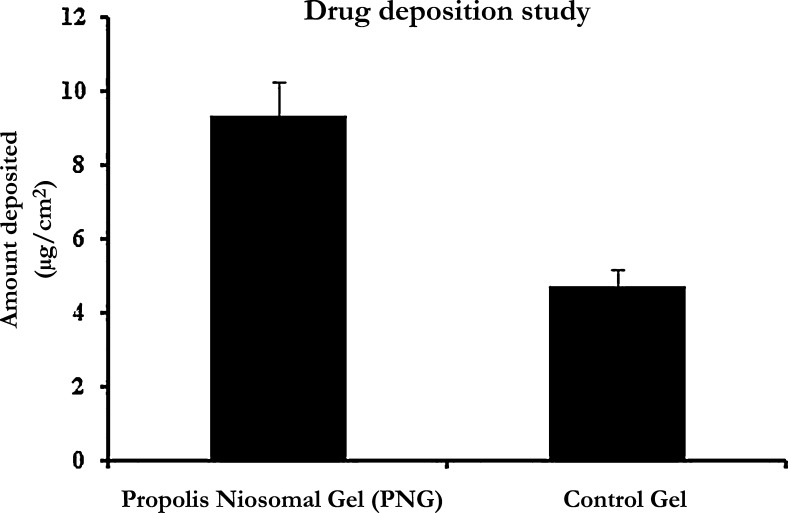
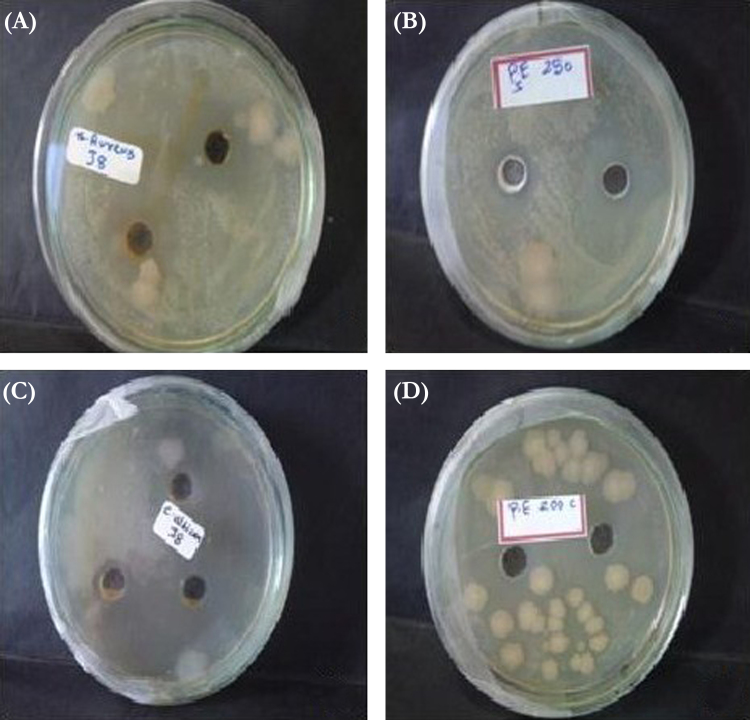
The ethanolic extract of propolis had high polyphenolic content (270 ± 9.2 mg GAE/g). The prepared PLNs showed vesicle size between 294 nm and 427 nm, and the percent entrapment in the range of 50.62-71.29% with a significant enhancement in antimicrobial activity against and . Enhanced antimicrobial activity of PLNs was attributed to the ability of niosomes to directly interact with the bacterial cell envelop thereby facilitating the diffusion of propolis constituents across the cell wall. The formulated PNG exhibited a twofold better skin deposition due to improved retention of niosomes in the skin.
The findings indicate that the engineering of a niosomal-based system for propolis enhanced its antimicrobial potential through topical application.
蜂胶是蜜蜂从多种植物来源收集的一种多成分活性复杂树脂物质。本研究旨在通过设计一种用于局部应用的基于囊泡的系统来提高蜂胶的抗菌功效。
用乙醇提取蜂胶并筛选其总多酚含量。用不同浓度的司盘60和胆固醇制备载蜂胶囊泡(PLNs)。对PLNs的物理化学参数进行评估,即囊泡大小、包封率、zeta电位、表面形貌和形状以及稳定性,随后筛选其抗菌活性。使用卡波姆P934基质将PLNs制成蜂胶囊泡凝胶(PNG)并进行皮肤沉积研究。
蜂胶乙醇提取物具有较高的多酚含量(270±9.2mg GAE/g)。制备的PLNs囊泡大小在294nm至427nm之间,包封率在50.62 - 71.29%范围内,对金黄色葡萄球菌和大肠杆菌的抗菌活性显著增强。PLNs抗菌活性增强归因于囊泡能够直接与细菌细胞壁相互作用,从而促进蜂胶成分穿过细胞壁的扩散。由于囊泡在皮肤中的保留改善,制成的PNG表现出两倍更好的皮肤沉积。
研究结果表明,基于囊泡的蜂胶系统工程通过局部应用增强了其抗菌潜力。