Bloomfield Sally F, Carling Philip C, Exner Martin
London School of Hygiene and Tropical Medicine, London, United Kingdom.
International Scientific Forum on Home Hygiene, Montacute, Somerset, United Kingdom.
GMS Hyg Infect Control. 2017 Jun 19;12:Doc08. doi: 10.3205/dgkh000293. eCollection 2017.
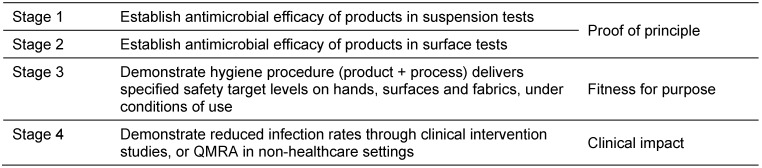
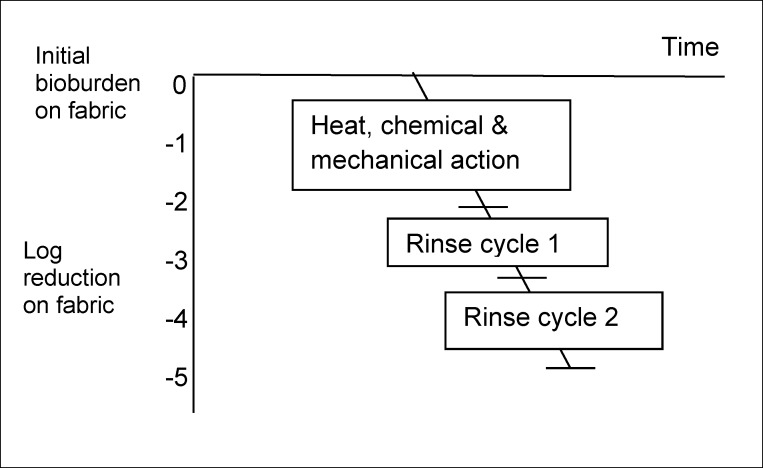
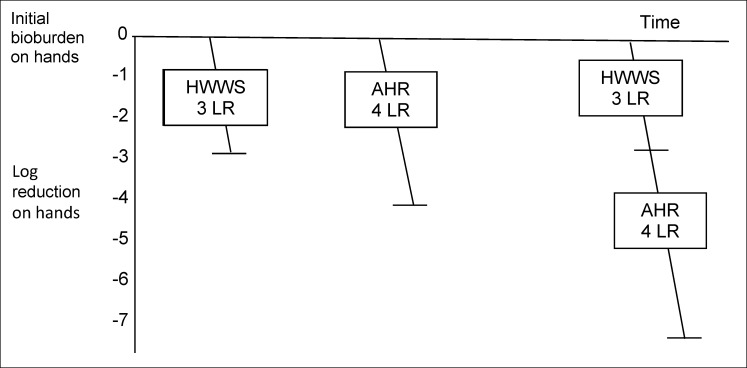
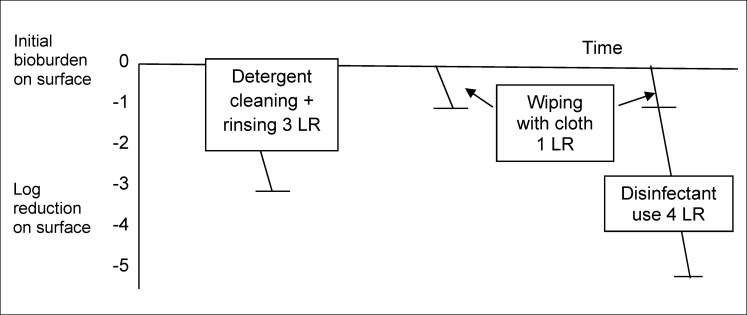
Hygiene procedures for hands, surfaces and fabrics are central to preventing spread of infection in settings including healthcare, food production, catering, agriculture, public settings, and home and everyday life. They are used in situations including hand hygiene, clinical procedures, decontamination of environmental surfaces, respiratory hygiene, food handling, laundry hygiene, toilet hygiene and so on. Although the principles are common to all, approaches currently used in different settings are inconsistent. A concern is the use of inconsistent terminology which is misleading, especially to people we need to communicate with such as the public or cleaning professionals. This paper reviews the data on current approaches, alongside new insights to developing hygiene procedures. Using this data, we propose a more scientifically-grounded framework for developing procedures that maximize protection against infection, based on consistent principles and terminology, and applicable across all settings. A key feature is use of test models which assess the state of surfaces after treatment rather than product performance alone. This allows procedures that rely on removal of microbes to be compared with those employing chemical or thermal inactivation. This makes it possible to ensure that a consistent "safety target level" is achieved regardless of the type of procedure used, and allows us deliver maximum health benefit whilst ensuring prudent usage of antimicrobial agents, detergents, water and energy.
手部、物体表面及织物的卫生程序对于在医疗保健、食品生产、餐饮、农业、公共场所、家庭及日常生活等环境中预防感染传播至关重要。它们应用于手部卫生、临床操作、环境表面去污、呼吸道卫生、食品处理、洗衣卫生、厕所卫生等情况。尽管基本原则适用于所有情况,但目前在不同环境中使用的方法并不一致。一个问题是使用不一致的术语,这会产生误导,尤其是对我们需要与之沟通的公众或清洁专业人员等人群。本文回顾了当前方法的数据以及制定卫生程序的新见解。利用这些数据,我们基于一致的原则和术语,提出了一个更具科学依据的框架,用于制定能最大程度预防感染的程序,且该框架适用于所有环境。一个关键特征是使用测试模型,这些模型评估处理后表面的状态,而不仅仅是产品性能。这使得依赖去除微生物的程序能够与采用化学或热灭活的程序进行比较。这使得无论使用何种程序类型,都有可能确保达到一致的“安全目标水平”,并在确保谨慎使用抗菌剂、洗涤剂、水和能源的同时,带来最大的健康益处。