Schiller Kilian, Specht Hanno Martin, Haller Bernhard, Hallqvist Daniela, Devecka Michal, Becker von Rose Aaron, Combs Stephanie Elisabeth, Pigorsch Steffi
Department of Radiation Oncology, Klinikum rechts der Isar der Technischen Universität München, Ismaninger Str. 22, 81675, Munich, Germany.
Institute of Medical Statistics and Epidemiology, Klinikum rechts der Isar der Technischen Universität München, Ismaninger Str. 22, 81675, Munich, Germany.
Radiat Oncol. 2017 Jul 4;12(1):113. doi: 10.1186/s13014-017-0846-4.
Today intensity modulated radiation therapy (IMRT) can be considered the standard of care in patients with head and neck tumors. IMRT treatment plans are proven to reduce acute treatment related side effects by optimal sparing of organs at risk (OAR). At the same time, areas that were out of the former 3D fields now receive low radiation doses. Amongst those areas the brainstem (BS) and the vestibular system (VS) are known to be physiologically connected to nausea and vomiting (NV). In our study we tried to find out, if doses to these areas are linked to NV.
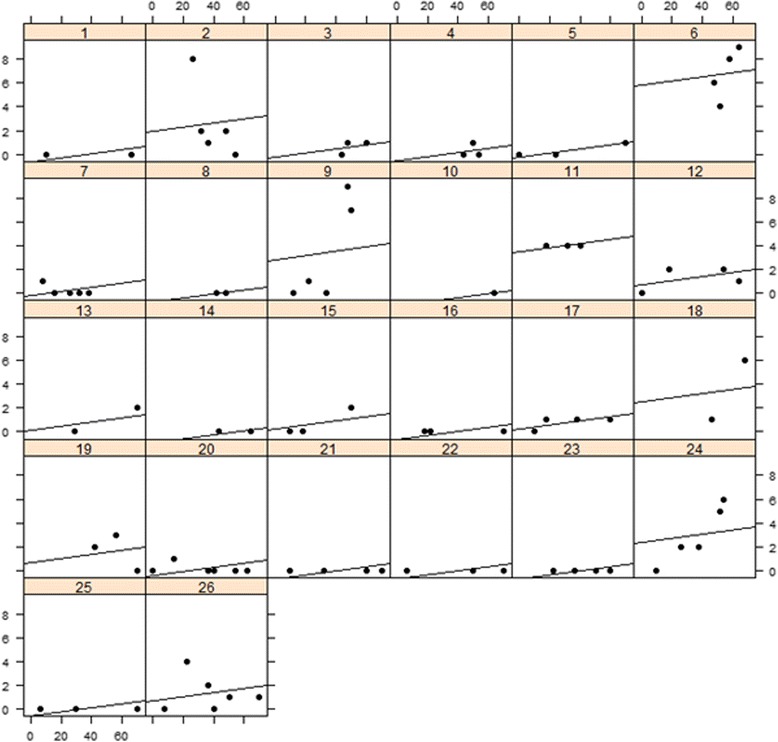
MATERIAL & METHODS: NV were assessed at different time points during treatment in 26 patients leading to 98 documented toxicity scores that were later correlated to dose deposition in the described areas. Patients were either treated with normo-fractionated or simultaneously integrated boost IMRT plans in a curative approach. Subareas of the BS as well as the VS were delineated. Toxicity was rated based on the common toxicity criteria (CTCAE Version 4.0). Other factors such as age, gender, chemotherapy, location of the tumor, irradiated volume and unilateral dose to the VS were taken into account and analyzed also.
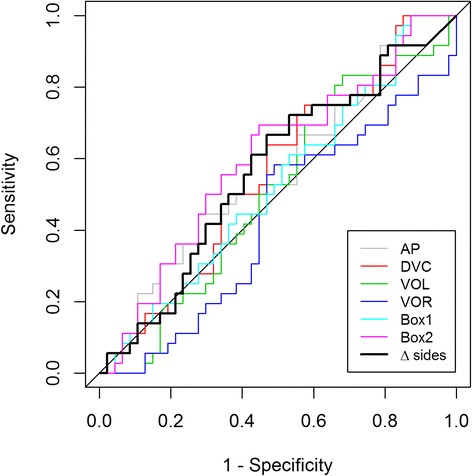
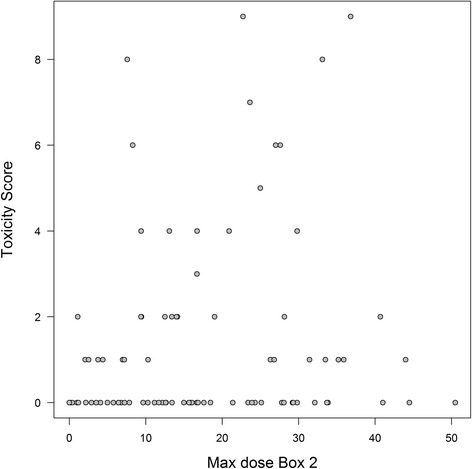
The majority (65.4%) of our patients experienced an episode of NV at least once during treatment. NV was more frequent when treating the oropharyngeal region compared to the hypopharyngeal region, as well as when patients were female and/ or of a younger age. Nevertheless, upon statistical analysis (ROC analysis, 'within/ between analysis') no significant association between delivered doses to subareas and toxicity could be demonstrated.
In our analysis, no significant correlation between radiation dose to the BS or the VS and the occurrence of NV could be found. Therefore, until conclusive data are available, we recommend to rely on the published data regarding OAR tolerance within the BS and not to compromise on dose coverage.
如今,调强放射治疗(IMRT)可被视为头颈部肿瘤患者的标准治疗方法。IMRT治疗计划经证实可通过优化对危及器官(OAR)的保护来减少急性治疗相关副作用。与此同时,以前三维照射野之外的区域现在接受低辐射剂量。在这些区域中,已知脑干(BS)和前庭系统(VS)在生理上与恶心和呕吐(NV)相关。在我们的研究中,我们试图找出这些区域的剂量是否与NV有关。
在治疗期间的不同时间点对26例患者的NV进行评估,得出98个记录在案的毒性评分,这些评分随后与所述区域的剂量沉积相关联。患者采用常规分割或同步整合加量IMRT计划进行根治性治疗。划定了BS以及VS的子区域。根据通用毒性标准(CTCAE第4.0版)对毒性进行分级。还考虑并分析了其他因素,如年龄、性别、化疗、肿瘤位置、照射体积和VS的单侧剂量。
我们的大多数患者(65.4%)在治疗期间至少经历过一次NV发作。与下咽区域相比,治疗口咽区域时NV更频繁,女性和/或年龄较小的患者也是如此。然而,经统计分析(ROC分析,“组内/组间分析”),未发现子区域的照射剂量与毒性之间存在显著关联。
在我们的分析中,未发现BS或VS的辐射剂量与NV的发生之间存在显著相关性。因此,在获得确凿数据之前,我们建议依据已发表的关于BS内OAR耐受性的数据,且不要在剂量覆盖方面做出妥协。