Gunda Resign, Chimbari Moses John
School of Nursing and Public Health, College of Health Sciences, University of KwaZulu-Natal, Howard Campus, Durban, 4001 South Africa.
Cost Eff Resour Alloc. 2017 Jul 1;15:10. doi: 10.1186/s12962-017-0072-9. eCollection 2017.
Malaria continues to be a public health problem despite past and on-going control efforts. For sustenance of control efforts to achieve the malaria elimination goal, it is important that the most cost-effective interventions are employed. This paper reviews studies on cost-effectiveness of malaria interventions using disability-adjusted life years.
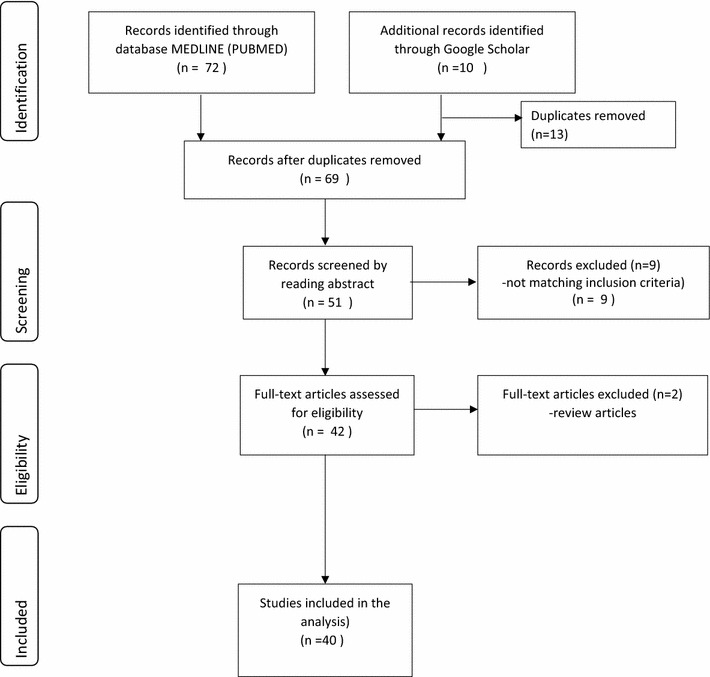
A review of literature was conducted through a literature search of international peer-reviewed journals as well as grey literature. Searches were conducted through Medline (PubMed), EMBASE and Google Scholar search engines. The searches included articles published in English for the period from 1996 to 2016. The inclusion criteria for the study were type of malaria intervention, year of publication and cost-effectiveness ratio in terms of cost per DALY averted. We included 40 studies which specifically used the DALY metric in cost-effectiveness analysis (CEA) of malaria interventions.
The majority of the reviewed studies (75%) were done using data from African settings with the majority of the interventions (60.0%) targeting all age categories. Interventions included case treatment, prophylaxis, vector control, insecticide treated nets, early detection, environmental management, diagnosis and educational programmes. Sulfadoxine-pyrimethamine was the most common drug of choice in malaria prophylaxis, while artemisinin-based combination therapies were the most common drugs for case treatment. Based on guidelines for CEA, most interventions proved cost-effective in terms of cost per DALYs averted for each intervention.
The DALY metric is a useful tool for determining the cost-effectiveness of malaria interventions. This paper demonstrates the importance of CEA in informing decisions made by policy makers.
尽管过去和当前一直在进行疟疾防控工作,但疟疾仍然是一个公共卫生问题。为了维持防控工作以实现消除疟疾的目标,采用最具成本效益的干预措施至关重要。本文综述了使用伤残调整生命年对疟疾干预措施成本效益的研究。
通过检索国际同行评审期刊以及灰色文献进行文献综述。通过Medline(PubMed)、EMBASE和谷歌学术搜索引擎进行检索。检索范围包括1996年至2016年期间以英文发表的文章。该研究的纳入标准为疟疾干预措施的类型、发表年份以及以每避免一个伤残调整生命年的成本计算的成本效益比。我们纳入了40项在疟疾干预措施的成本效益分析(CEA)中专门使用伤残调整生命年指标的研究。
大多数综述研究(75%)使用的是来自非洲地区的数据,大多数干预措施(60.0%)针对所有年龄组。干预措施包括病例治疗、预防、病媒控制、经杀虫剂处理的蚊帐、早期检测、环境管理、诊断和教育项目。磺胺多辛 - 乙胺嘧啶是疟疾预防中最常用的药物选择,而以青蒿素为基础的联合疗法是病例治疗中最常用的药物。根据CEA指南,就每项干预措施每避免一个伤残调整生命年的成本而言,大多数干预措施被证明具有成本效益。
伤残调整生命年指标是确定疟疾干预措施成本效益的有用工具。本文证明了成本效益分析在为政策制定者提供决策依据方面的重要性。