Dong J, Xiao D, Zhao Z, Ren P, Li C, Hu Y, Shi J, Su H, Wang L, Liu H, Li B, Gao P, Qing G
Department of Pharmacology, School of Basic Medicine, Tongji Medical College, Huazhong University of Science and Technology, Wuhan, China.
Department of Cancer Biology, Medical Research Institute, Wuhan University, Wuhan, China.
Oncogenesis. 2017 Jul 10;6(7):e356. doi: 10.1038/oncsis.2017.59.
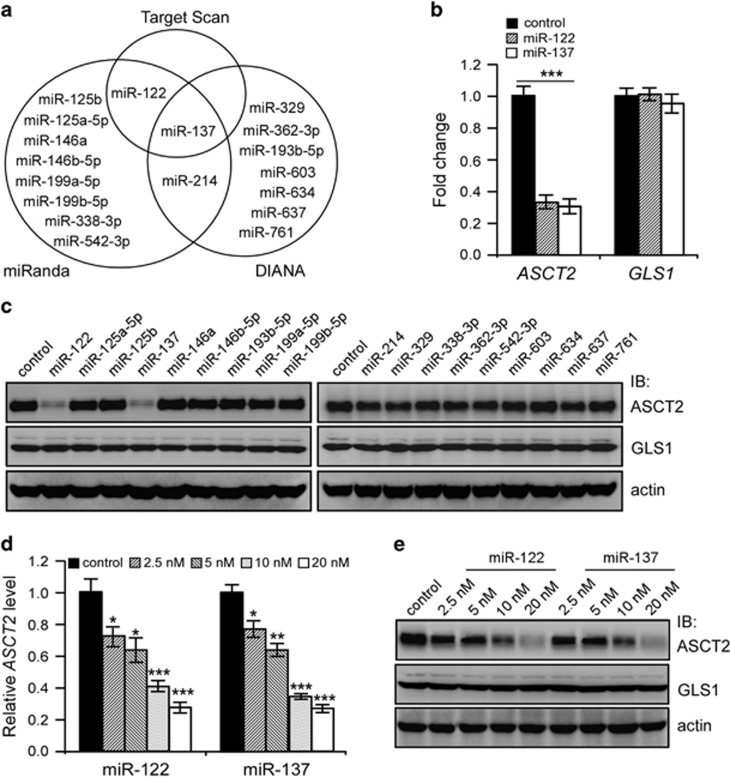
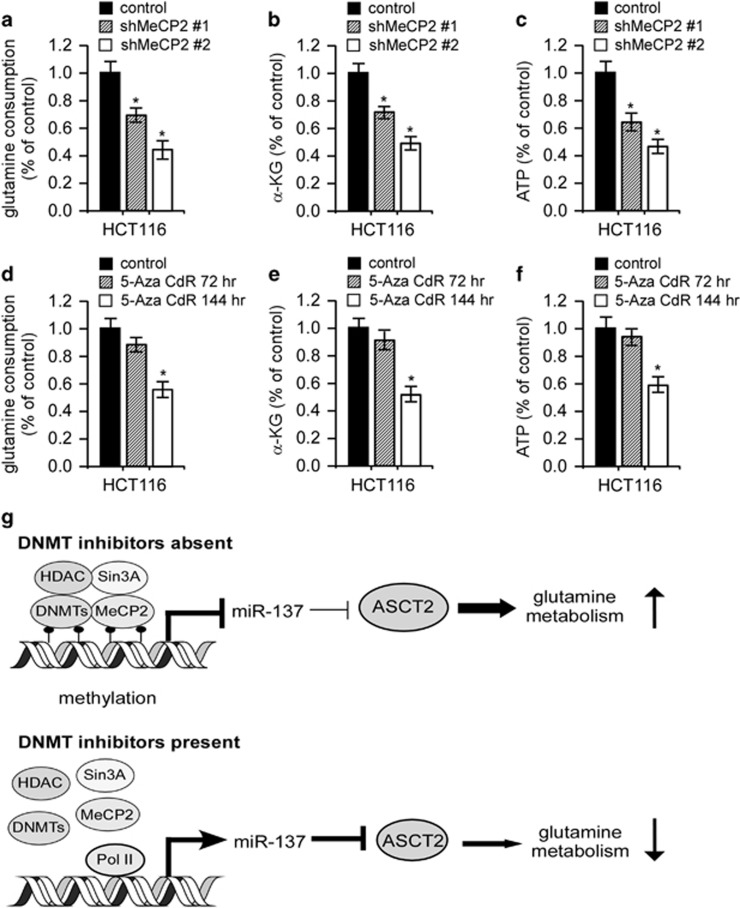
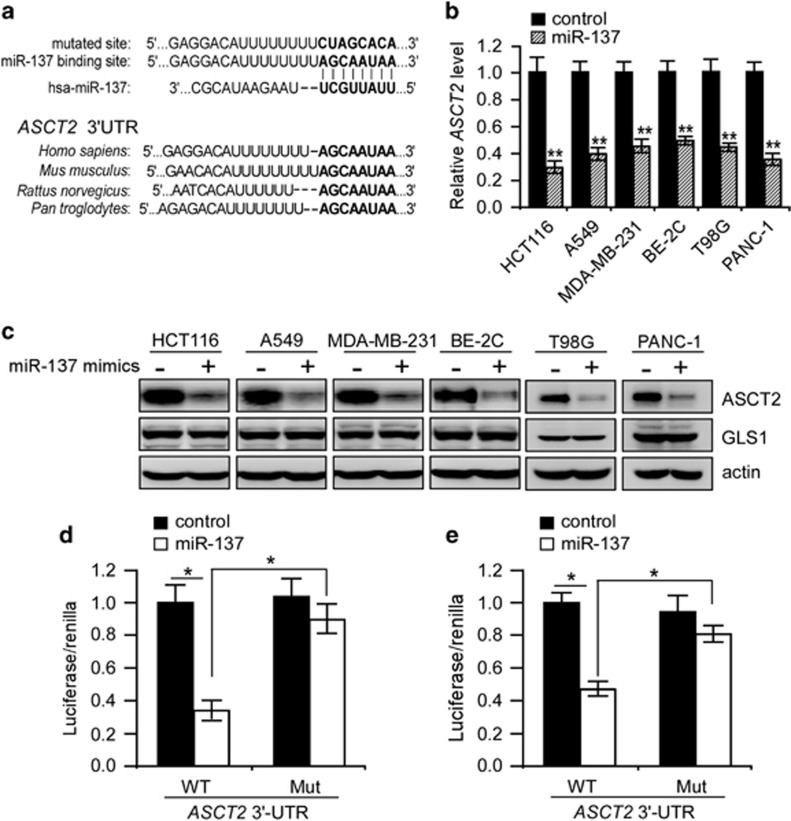
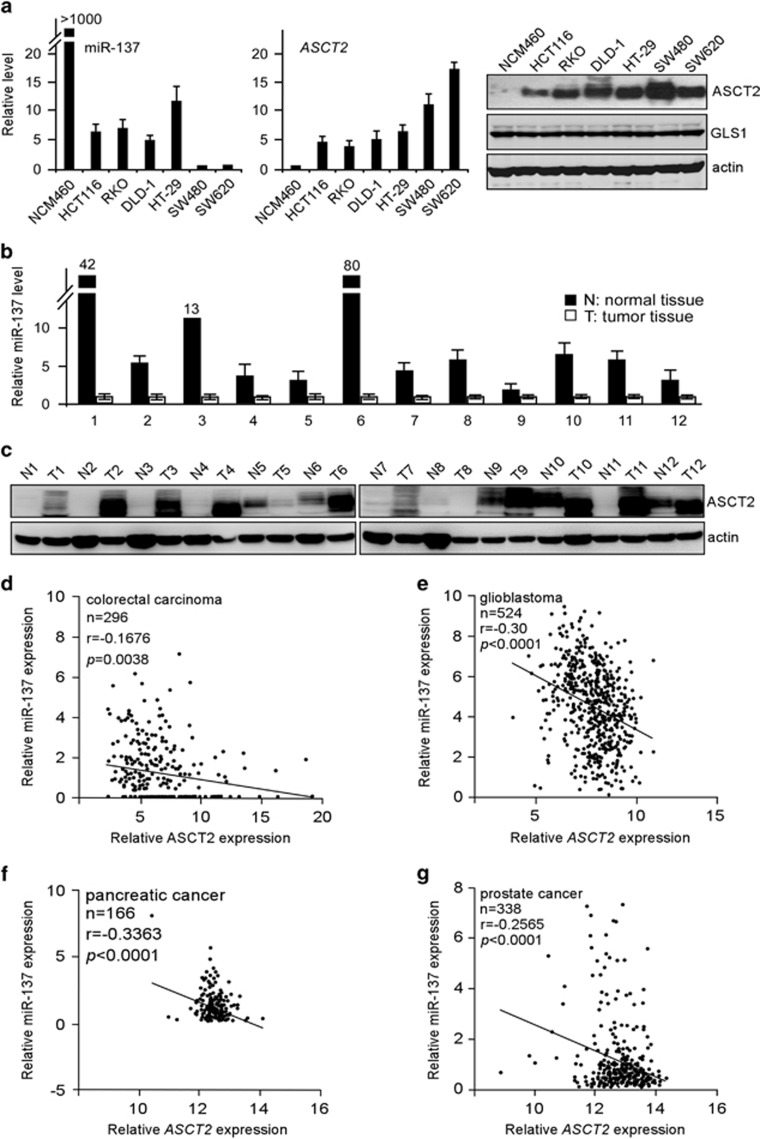
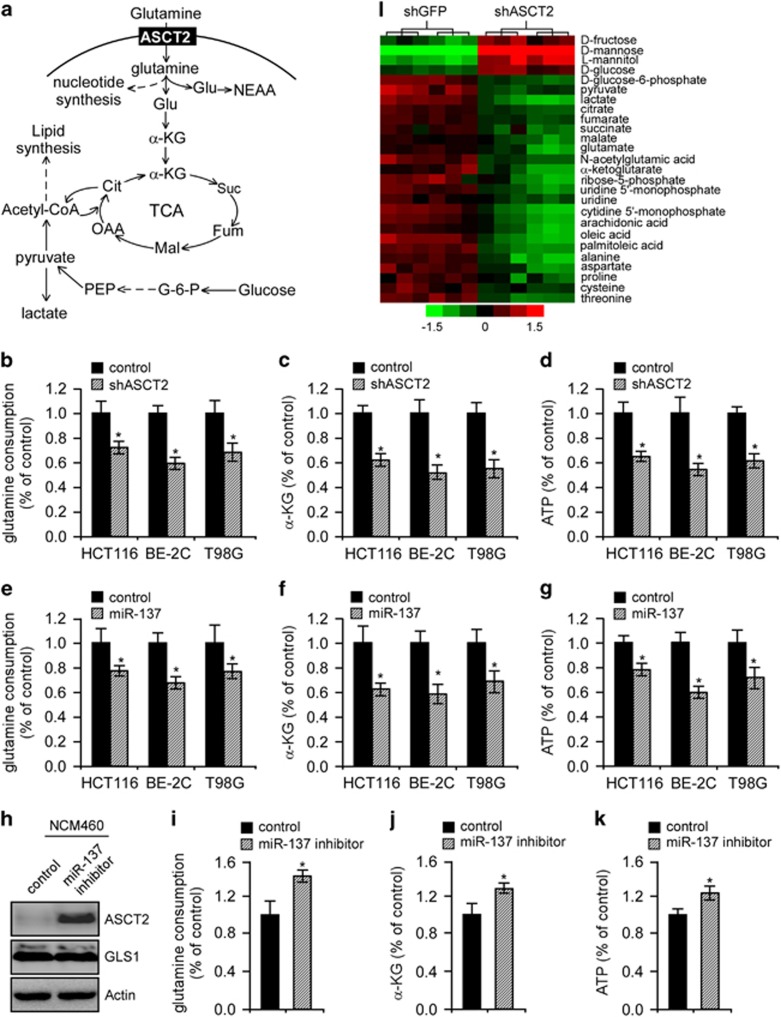
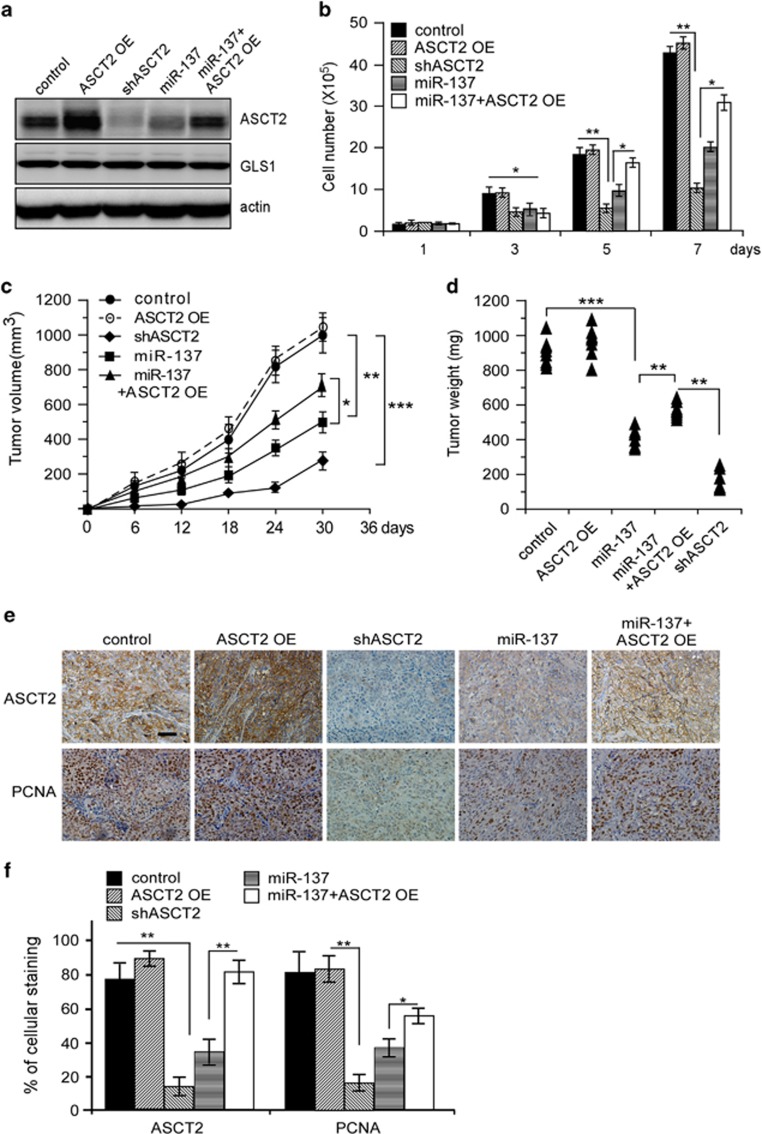
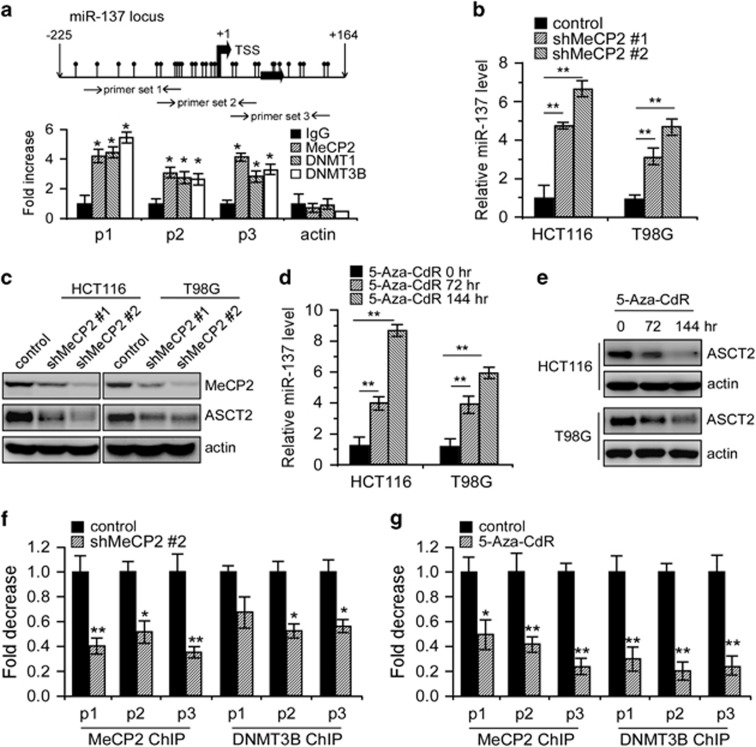
Tumor cells must activate specific transporters to meet their increased glutamine metabolic demands. Relative to other glutamine transporters, the ASC family transporter 2 (ASCT2, also called SLC1A5) is profoundly elevated in a wide spectrum of human cancers to coordinate metabolic reprogramming and malignant transformation. Understanding the molecular mechanisms whereby tumor cells frequently upregulate this transporter is therefore vital to develop potential strategies for transporter-targeted therapies. Combining in-silico algorithms with systemic experimental screening, we herein identify the tumor suppressor microRNA, miR-137, as an essential regulator that targets ASCT2 and cancer cell glutamine metabolism. Metabolic analysis shows that miR-137 derepression, similar to ASCT2 inactivation, significantly inhibits glutamine consumption and TCA cycle anaplerosis. Mechanistically, methyl-CpG-binding protein 2 (MeCP2) and DNA methyltransferases (DNMTs) cooperate to promote active methylation of the miR-137 promoter and inhibit its transcription, conversely reactivating ASCT2 expression and glutamine metabolism. Moreover, expression between miR-137 and ASCT2 is inversely correlated in tumor specimens from multiple cancer types, and ectopic ASCT2 expression markedly rescued miR-137 suppression of tumorigenesis. These findings thus elucidate a previously unreported mechanism responsible for ASCT2 deregulation in human cancers and identify ASCT2 as a critical downstream effector of miR-137, revealing a molecular link between DNA methylation, microRNA and tumor metabolism.
肿瘤细胞必须激活特定的转运蛋白,以满足其对谷氨酰胺代谢需求的增加。相对于其他谷氨酰胺转运蛋白,ASC家族转运蛋白2(ASCT2,也称为SLC1A5)在多种人类癌症中显著升高,以协调代谢重编程和恶性转化。因此,了解肿瘤细胞频繁上调这种转运蛋白的分子机制,对于开发针对转运蛋白的治疗策略至关重要。通过将计算机算法与系统实验筛选相结合,我们在此确定肿瘤抑制性微小RNA miR-137是靶向ASCT2和癌细胞谷氨酰胺代谢的关键调节因子。代谢分析表明,miR-137的去抑制,类似于ASCT2的失活,显著抑制谷氨酰胺消耗和三羧酸循环的回补反应。从机制上讲,甲基化CpG结合蛋白2(MeCP2)和DNA甲基转移酶(DNMT)协同作用,促进miR-137启动子的活性甲基化并抑制其转录,反之则重新激活ASCT2表达和谷氨酰胺代谢。此外,在多种癌症类型的肿瘤标本中,miR-137和ASCT2的表达呈负相关,而异位表达ASCT2可显著挽救miR-137对肿瘤发生的抑制作用。因此,这些发现阐明了人类癌症中ASCT2失调的一种此前未报道的机制,并确定ASCT2是miR-137的关键下游效应因子,揭示了DNA甲基化、微小RNA与肿瘤代谢之间的分子联系。