Janek Tomasz, Dobrowolski Adam, Biegalska Anna, Mirończuk Aleksandra M
Department of Inorganic Chemistry, Faculty of Pharmacy, Wroclaw Medical University, Borowska 211a, 50-556, Wroclaw, Poland.
Department of Biotechnology and Food Microbiology, Wroclaw University of Environmental and Life Sciences, Chełmońskiego 37, 51-630, Wrocław, Poland.
Microb Cell Fact. 2017 Jul 11;16(1):118. doi: 10.1186/s12934-017-0733-6.
Erythritol is a natural sweetener that is used in the food industry. It is produced as an osmoprotectant by bacteria and yeast. Due to its chemical properties, it does not change the insulin level in the blood, and therefore it can be safely used by diabetics. Previously, it has been shown that erythrose reductase (ER), which catalyzes the final step, plays a crucial role in erythritol synthesis. ER reduces erythrose to erythritol with NAD(P)H as a cofactor. Despite many studies on erythritol synthesis by Yarrowia lipolytica, the enzymes involved in this metabolic pathway have ever been described.
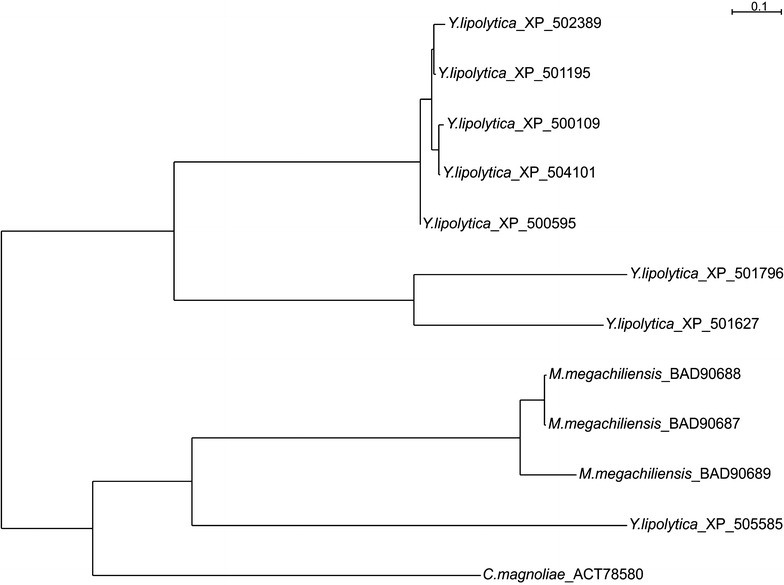
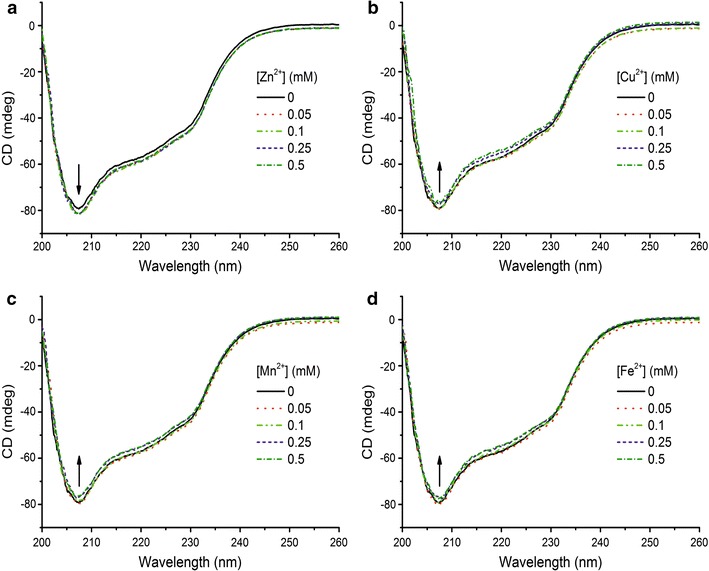
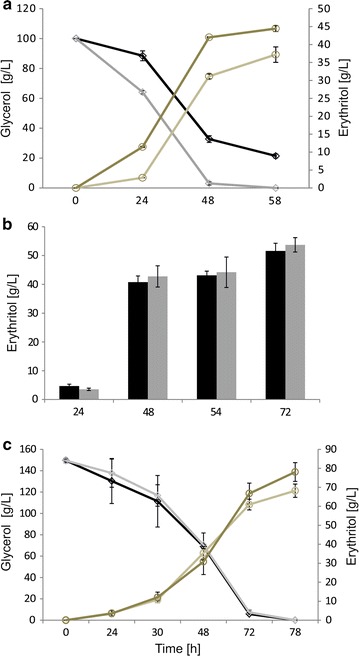
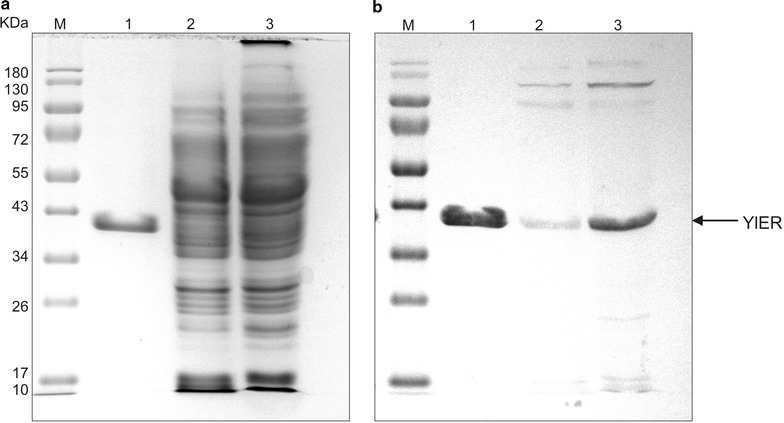
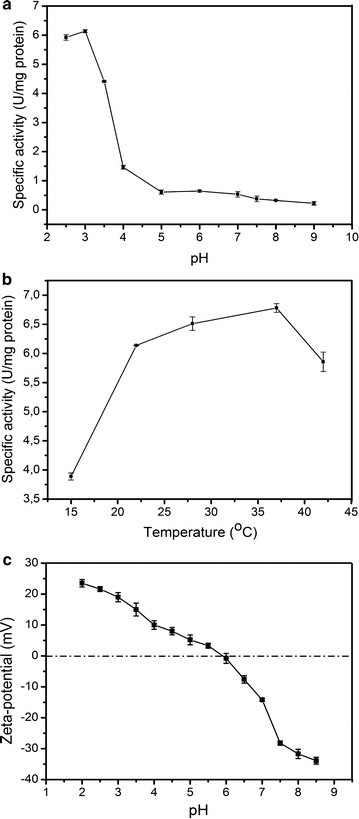
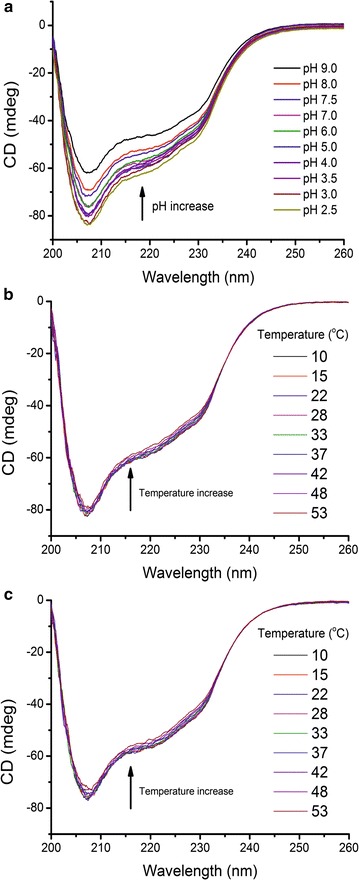
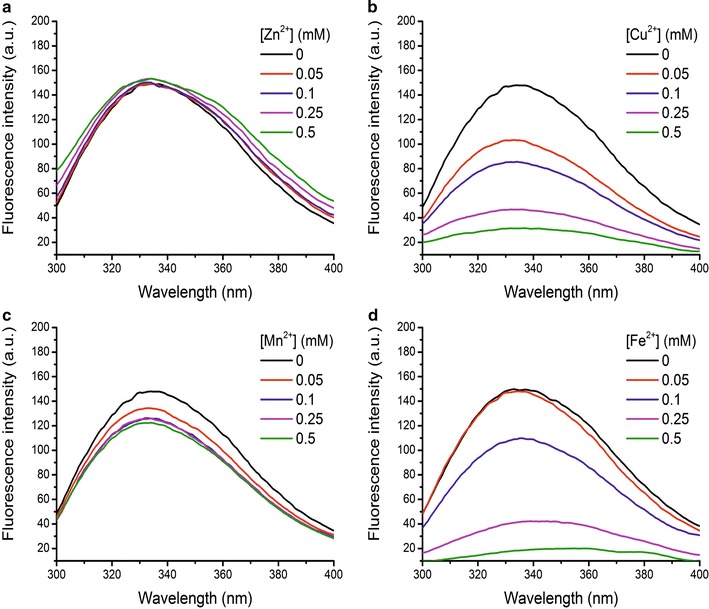
The gene YALI0F18590g encoding the predicted erythrose reductase from Y. lipolytica was overexpressed, and its influence on erythritol synthesis was studied. The amino acid sequence of the Y. lipolytica ER showed a high degree of similarity to the previously described erythrose reductases from known erythritol producers, such as Candida magnoliae and Moniliella megachiliensis. Here, we found that the gene overexpression results in an enhanced titer of erythritol of 44.44 g/L (20% over the control), a yield of 0.44 g/g and productivity of 0.77 g/L/h. Moreover, on purification and characterization of the enzyme we found that it displays the highest activity at 37 °C and pH 3.0. The effects of various metal ions (Zn, Cu, Mn, Fe) on erythrose reductase were investigated. The addition of Zn ions at 0.25 mM had a positive effect on the activity of erythrose reductase from Y. lipolytica, as well as on the erythritol production.
In this study we identified, overexpressed and characterized a native erythrose reductase in Y. lipolytica. Further optimizations of this strain via metabolic pathway engineering and media optimization strategies enabled 54 g/L to be produced in a shake-flask experiment. To date, this is the first reported study employing metabolic engineering of the native gene involved in the erythritol pathway to result in a high titer of the polyol. Moreover, it indicates the importance of environmental conditions for genetic targets in metabolic engineering.
赤藓糖醇是一种用于食品工业的天然甜味剂。它由细菌和酵母作为渗透保护剂产生。由于其化学性质,它不会改变血液中的胰岛素水平,因此糖尿病患者可以安全使用。此前已表明,催化最后一步反应的赤藓糖还原酶(ER)在赤藓糖醇合成中起关键作用。ER以NAD(P)H作为辅因子将赤藓糖还原为赤藓糖醇。尽管对解脂耶氏酵母合成赤藓糖醇进行了许多研究,但尚未描述参与该代谢途径的酶。
编码解脂耶氏酵母预测的赤藓糖还原酶的基因YALI0F18590g被过表达,并研究了其对赤藓糖醇合成的影响。解脂耶氏酵母ER的氨基酸序列与先前描述的来自已知赤藓糖醇生产者(如大孢假丝酵母和巨赤串珠霉)的赤藓糖还原酶高度相似。在此,我们发现该基因过表达导致赤藓糖醇产量提高至44.44 g/L(比对照高20%),产率为0.44 g/g,生产力为0.77 g/L/h。此外,在对该酶进行纯化和表征时,我们发现它在37°C和pH 3.0时表现出最高活性。研究了各种金属离子(锌、铜、锰、铁)对赤藓糖还原酶的影响。添加0.25 mM的锌离子对解脂耶氏酵母的赤藓糖还原酶活性以及赤藓糖醇产量有积极影响。
在本研究中,我们鉴定、过表达并表征了解脂耶氏酵母中的一种天然赤藓糖还原酶。通过代谢途径工程和培养基优化策略对该菌株进行进一步优化,在摇瓶实验中实现了54 g/L的产量。迄今为止,这是首次报道利用参与赤藓糖醇途径的天然基因进行代谢工程以获得高滴度多元醇的研究。此外,它表明了环境条件在代谢工程中对基因靶点的重要性。