Grando Thirssa H, Baldissera Matheus D, de Sá Mariângela F, do Carmo Guilherme M, Porto Bianca Carolina Z, Aguirre Gisele S V, Azevedo Maria Isabel, de Jesus Francielli P K, Santurio Janio M, Sagrillo Michele R, Stefani Lenita Moura, Monteiro Silvia Gonzalez
Department of Microbiology and Parasitology, Universidade Federal Santa Maria - UFSM, Santa Maria, Rio Grande do Sul, Brazil.
Department of Microbiology and Parasitology, Universidade Federal Santa Maria - UFSM, Santa Maria, Rio Grande do Sul, Brazil.
J Immunol Methods. 2017 Oct;449:56-61. doi: 10.1016/j.jim.2017.07.002. Epub 2017 Jul 8.
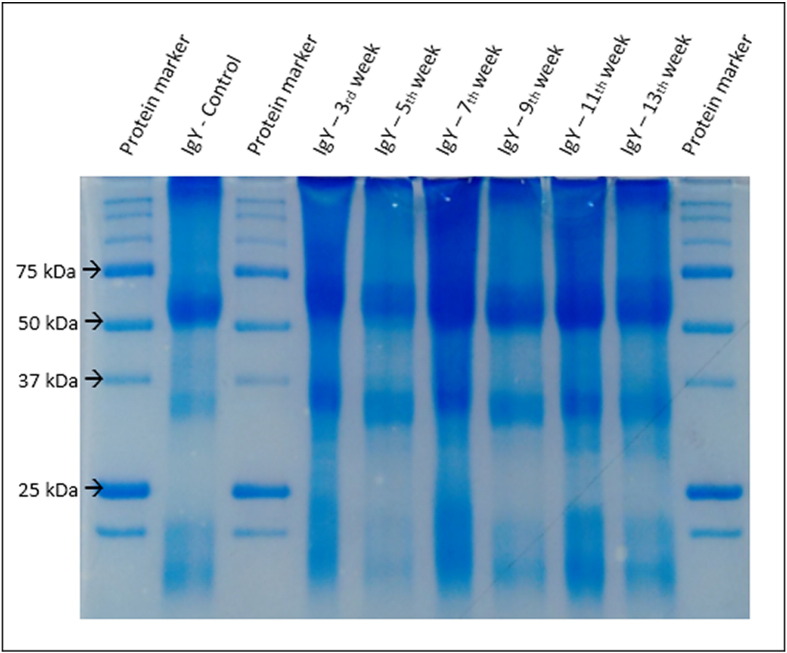
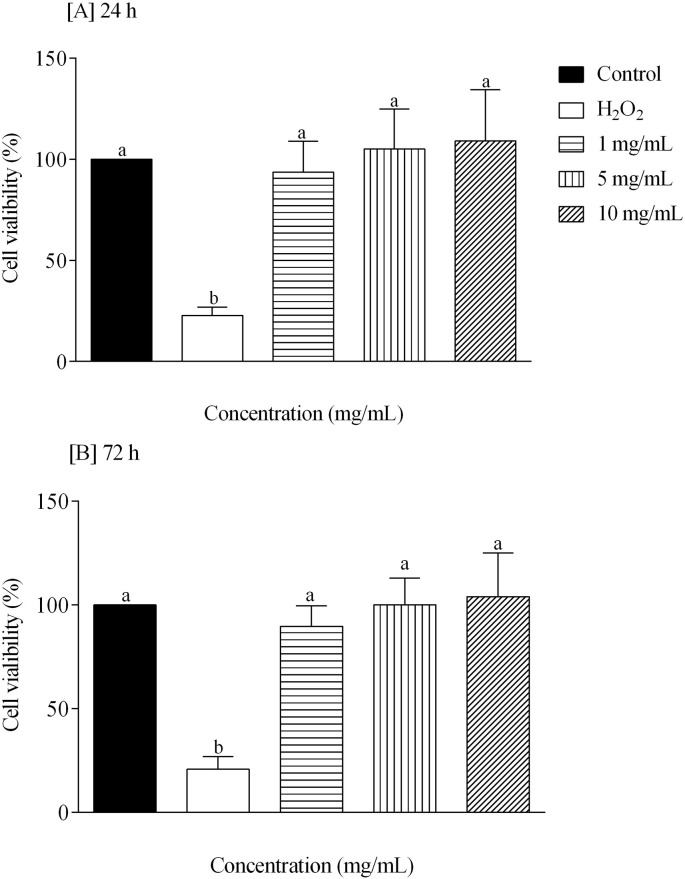
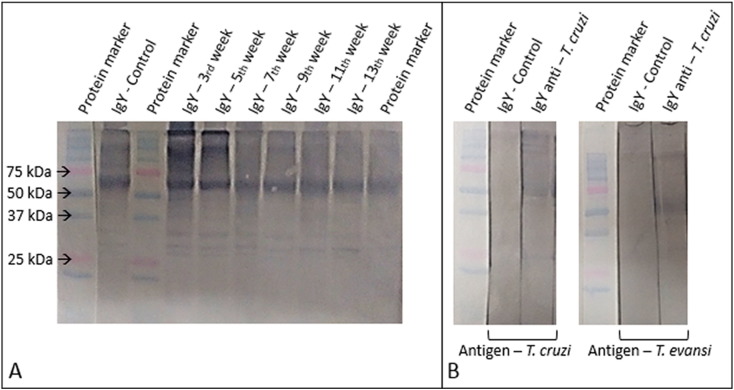
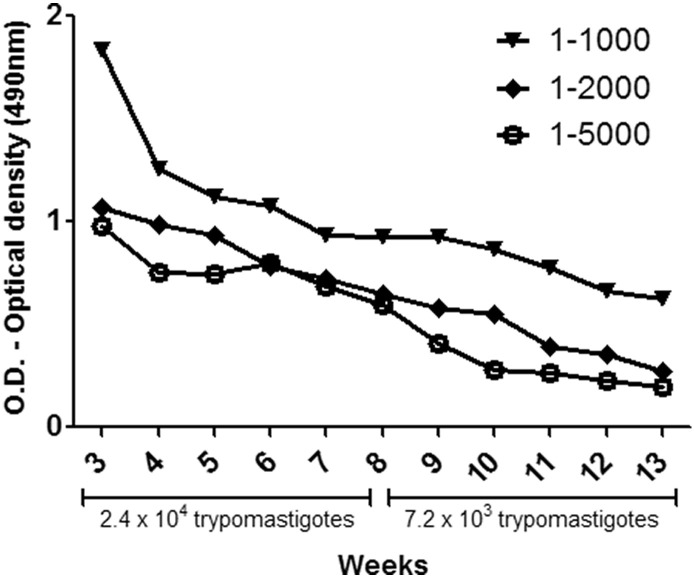
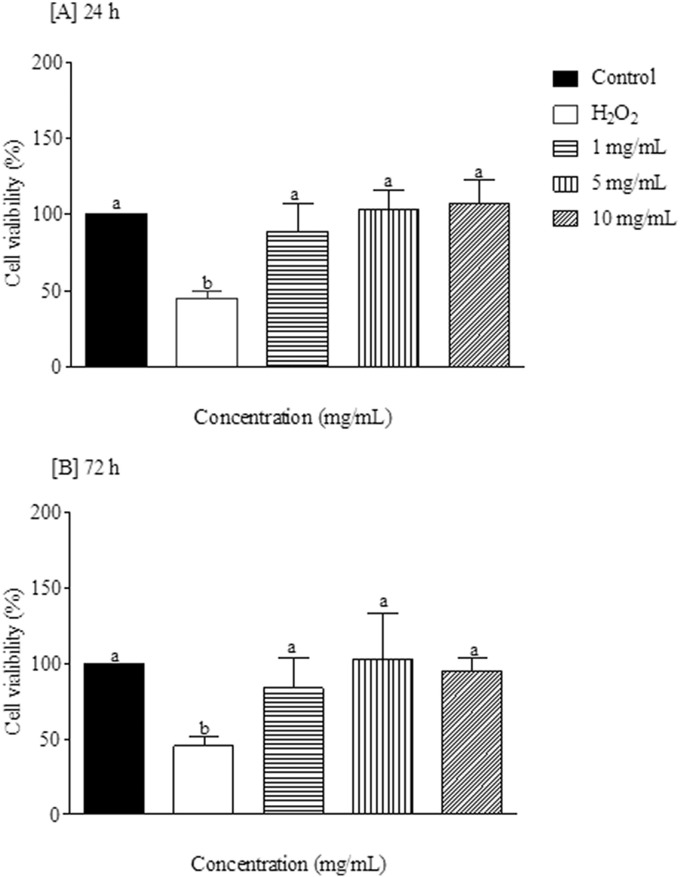
Trypanosoma cruzi is a flagellated protozoan belonging to the Trypanosomatidae family, the etiologic agent of Chagas disease. Currently, there is neither a licensed vaccine nor effective treatment, characterizing an unmet clinical need. The IgY refers to the egg yolk immunoglobulin (Y=yolk) and its production and use are subjects of many studies due to the diversity of its diagnostic and therapeutic applications. Several researchers have shown that the use of specific IgY may prevent and/or control infectious and parasitic diseases. Based on these evidences, the aim of this study was to immunize chickens with trypomastigotes of T. cruzi in order to produce highly effective and pure antibodies (IgY), as well as extract, characterize, quantify, and verify cytotoxic effects of IgY anti-T. cruzi. After the induction of IgY production by chickens, the eggs were collected and the IgY was extracted by method of precipitation of polyethylene glycol 6000. The IgY anti-T. cruzi characterization was performed using polyacrylamide gel electrophoresis (SDS-PAGE), western-blot and enzyme-linked immunosorbent assay (ELISA). Moreover, the cytotoxic or proliferative effects of IgY anti-T. cruzi was verified by MTT assay. The concentration of IgY in yolk was 8.41±1.47mg/mL. The characterization of IgY reveled bands of stained peptides with molecular weight between 75 and 50kDa and 37 and 25kDa. In the ELISA test was observed that there was antigen-antibody reaction throughout the sample period. The concentrations of 1, 5 and 10mg/mL of IgY anti-T. cruzi presented no cytotoxic of proliferative effects in mononuclear and VERO cells in vitro. The results indicated that T. cruzi is able to generate a high production of specific immunoglobulins in chickens, it did not cause damage to the cell membrane and no proliferative effect.
克氏锥虫是一种属于锥虫科的有鞭毛原生动物,是恰加斯病的病原体。目前,既没有获得许可的疫苗,也没有有效的治疗方法,这是一个尚未满足的临床需求。IgY是指蛋黄免疫球蛋白(Y=蛋黄),由于其诊断和治疗应用的多样性,其生产和使用是许多研究的主题。几位研究人员表明,使用特定的IgY可以预防和/或控制传染病和寄生虫病。基于这些证据,本研究的目的是用克氏锥虫的无鞭毛体免疫鸡,以产生高效、纯净的抗体(IgY),并提取、表征、定量和验证抗克氏锥虫IgY的细胞毒性作用。在鸡诱导产生IgY后,收集鸡蛋,并用聚乙二醇6000沉淀法提取IgY。使用聚丙烯酰胺凝胶电泳(SDS-PAGE)、蛋白质免疫印迹法和酶联免疫吸附测定(ELISA)对抗克氏锥虫IgY进行表征。此外,通过MTT法验证抗克氏锥虫IgY的细胞毒性或增殖作用。蛋黄中IgY的浓度为8.41±1.47mg/mL。IgY的表征显示,染色肽带的分子量在75至50kDa以及37至25kDa之间。在ELISA试验中观察到,在整个采样期间都存在抗原-抗体反应。1、5和10mg/mL浓度的抗克氏锥虫IgY在体外对单核细胞和VERO细胞没有细胞毒性或增殖作用。结果表明,克氏锥虫能够在鸡体内产生大量特异性免疫球蛋白,它不会对细胞膜造成损伤,也没有增殖作用。