Research Center of Bioenergy and Bioremediation, College of Resources and Environment, Southwest University, Beibei, Chongqing, 400715, People's Republic of China.
Sci Rep. 2017 Jul 13;7(1):5265. doi: 10.1038/s41598-017-05669-3.
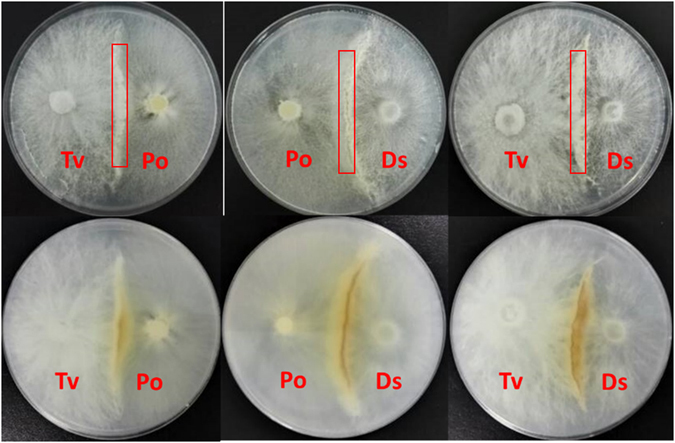
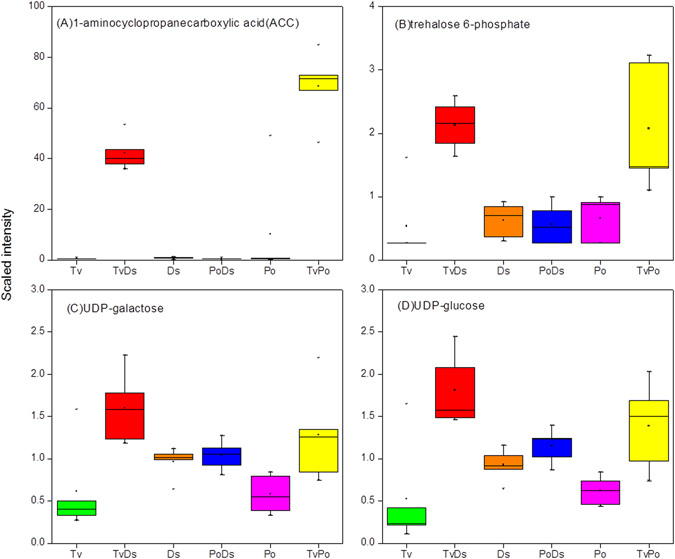
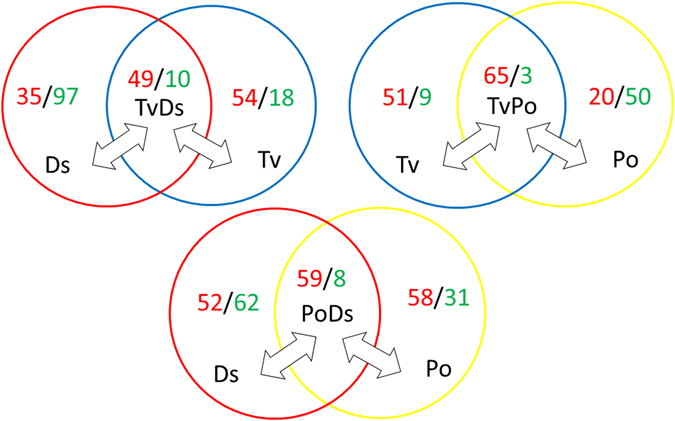
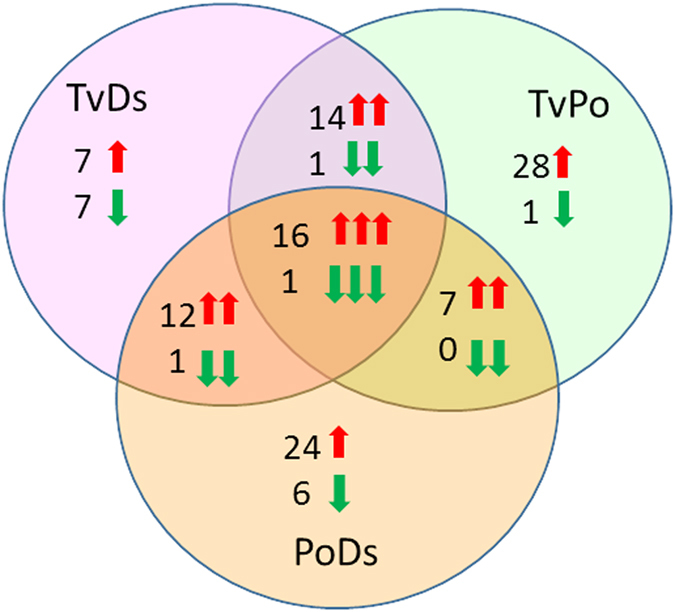
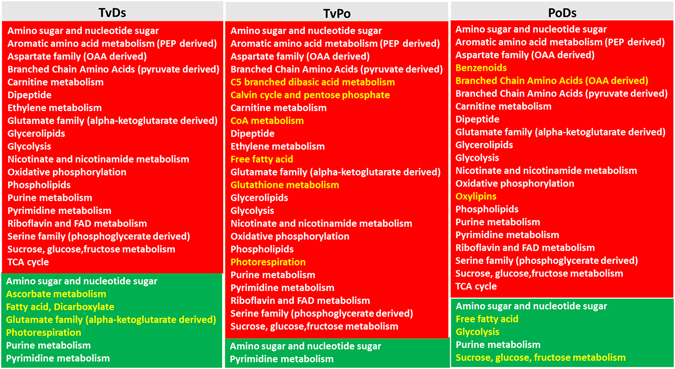
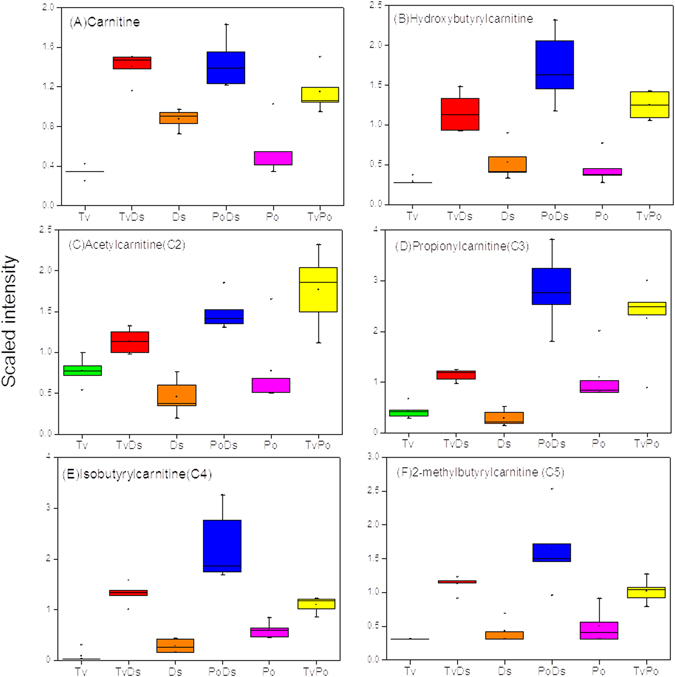
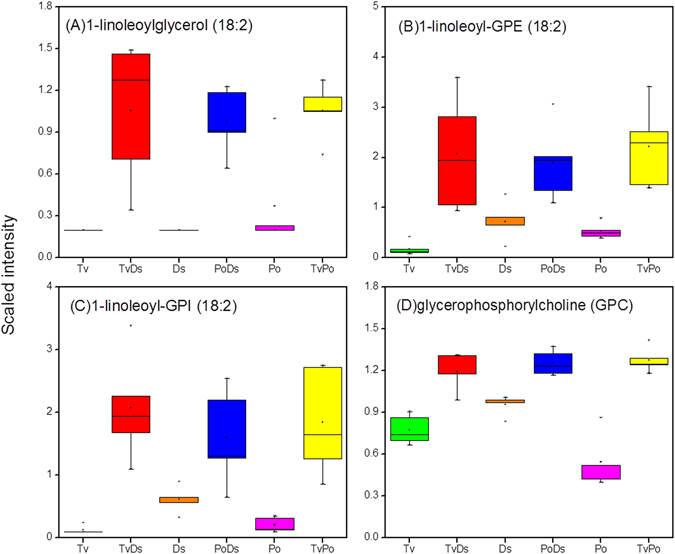
Interspecific fungal antagonism occurred commonly in the interaction zone of different white rot fungi. This competitive interaction could markedly influence the metabolic pathway of intracellular metabolites, which was associated with the fungal morphology change and growth restriction. So far, it remains unknown on intracellular metabolite regulation during fungal competitive interaction. Herein, we performed the metabolomic analysis of the in vivo metabolite changes during competitive interaction between each two of the three white rot fungi Trametes versicolor, Pleurotus ostreatus and Dichomitus squalens and identified differential metabolites in the interaction zone compared to each two isolates. Many metabolites in the carnitine, lipid, ethylene and trehalose metabolic pathways were significantly up-regulated. These metabolic pathways are all involved in defensive response to abiotic and/or biotic stressful condition.
种间真菌拮抗作用在不同白腐真菌的相互作用区普遍存在。这种竞争相互作用会显著影响细胞内代谢物的代谢途径,这与真菌形态变化和生长受限有关。到目前为止,真菌竞争相互作用过程中细胞内代谢物的调节仍不清楚。本研究对三种白腐真菌糙皮侧耳、鲍鱼菇和栓菌两两竞争相互作用过程中的体内代谢物变化进行了代谢组学分析,并与两两分离株进行了比较,鉴定了相互作用区的差异代谢物。肉碱、脂质、乙烯和海藻糖代谢途径中的许多代谢物都显著上调。这些代谢途径都参与了对非生物和/或生物胁迫条件的防御反应。