Schmitt Kimberly, Mohan Kumar Dipu, Curlin James, Remling-Mulder Leila, Stenglein Mark, O'Connor Shelby, Marx Preston, Akkina Ramesh
Department of Microbiology, Immunology and Pathology, Colorado State University, Fort Collins, CO 80523, USA.
University of Wisconsin School of Medicine and Public Health, Madison, WI, USA.
Virology. 2017 Oct;510:175-184. doi: 10.1016/j.virol.2017.07.005. Epub 2017 Jul 24.
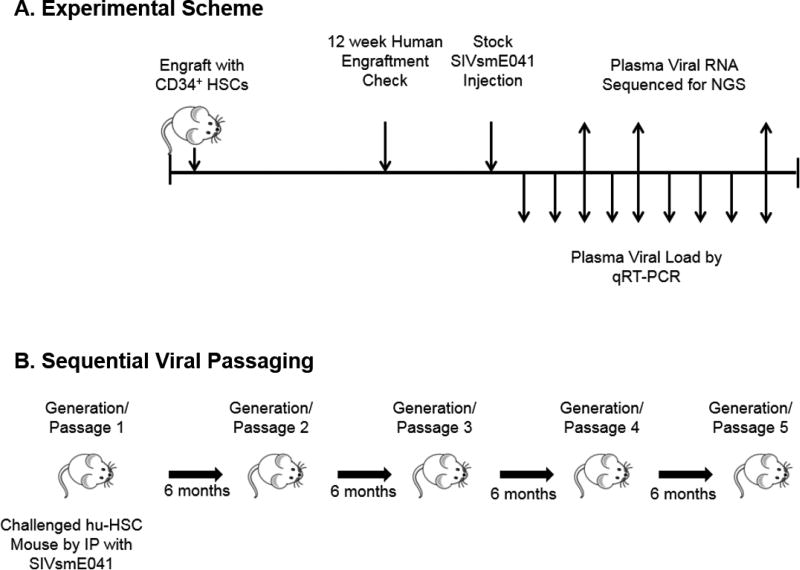
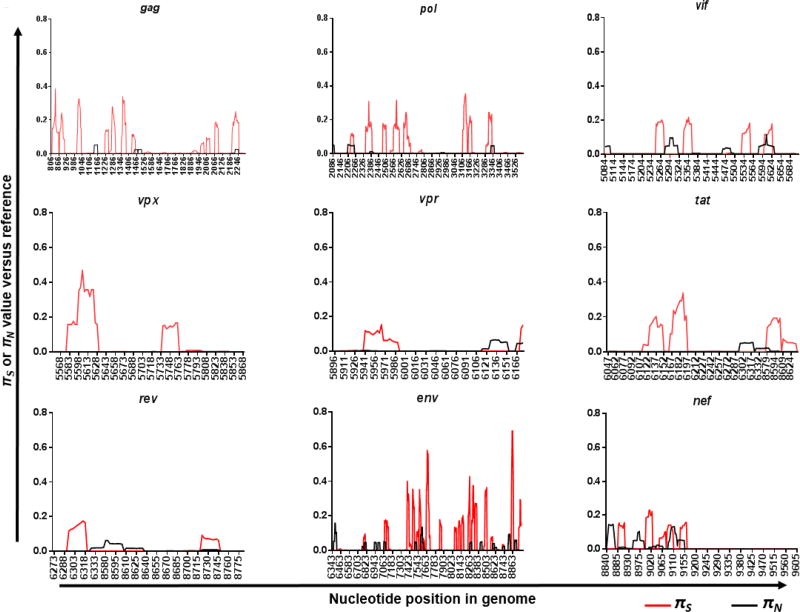
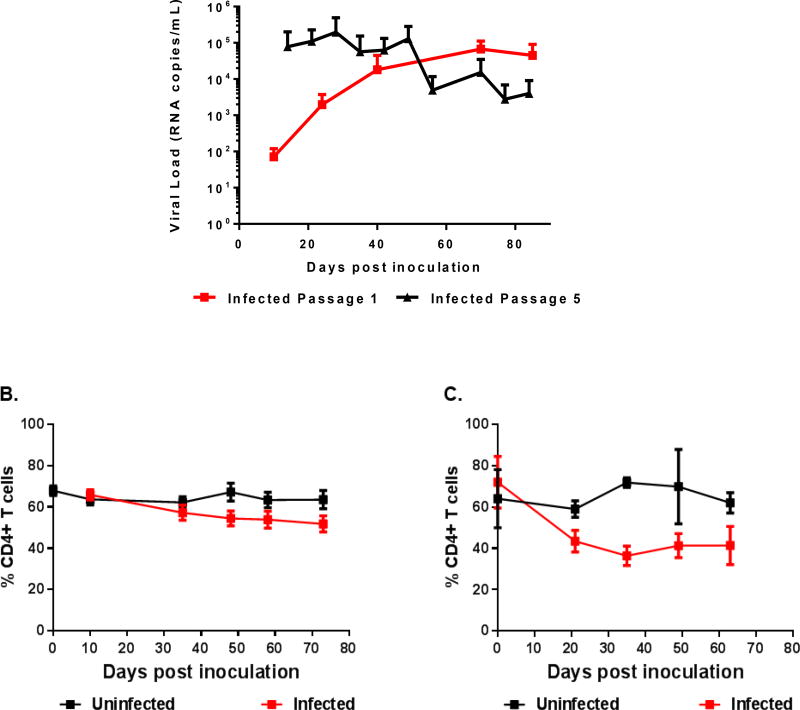
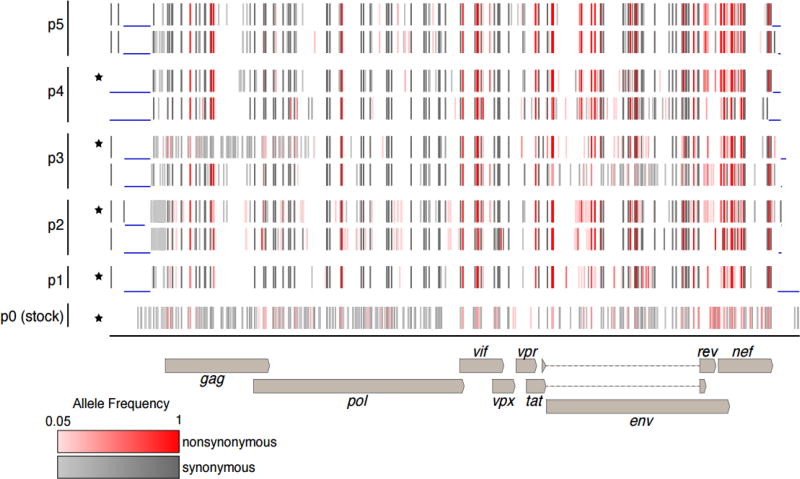
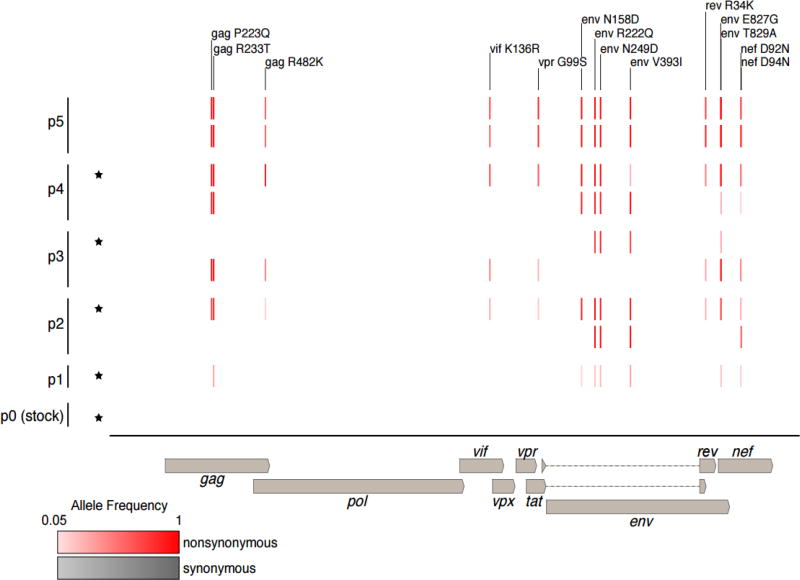
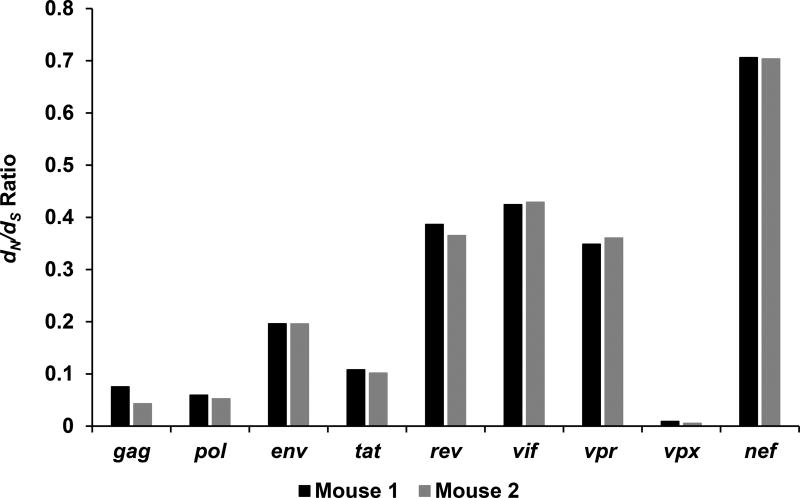
HIV-2 is thought to have originated from an SIV progenitor native to sooty mangabeys. To model the initial human transmission and understand the sequential viral evolution, humanized mice were infected with SIVsm and serially passaged for five generations. Productive infection was seen by week 3 during the initial challenge followed by chronic viremia and gradual CD4 T cell decline. Viral loads increased by the 5th generation resulting in more rapid CD4 T cell decline. Genetic analysis revealed several amino acid substitutions that were nonsynonymous and fixed in multiple hu-mice across each of the 5 generations in the nef, env and rev regions. The highest rate of substitution occurred in the nef and env regions and most were observed within the first two generations. These data demonstrated the utility of hu-mice in modeling the SIVsm transmission to the human and to evaluate its potential sequential evolution into a human pathogen of HIV-2 lineage.
人们认为HIV-2起源于原产于乌黑白眉猴的一种SIV祖病毒。为了模拟最初的人类传播并了解病毒的连续进化过程,将人源化小鼠感染SIVsm并连续传代五代。在初次感染后的第3周可见有效感染,随后出现慢性病毒血症和CD4 T细胞逐渐减少。到第5代时病毒载量增加,导致CD4 T细胞下降更快。基因分析揭示了几个非同义氨基酸替换,这些替换在nef、env和rev区域的每一代的多个人源化小鼠中固定下来。替换率最高的发生在nef和env区域,且大多数在前两代中观察到。这些数据证明了人源化小鼠在模拟SIVsm向人类传播以及评估其向HIV-2谱系人类病原体潜在连续进化方面的效用。