Logsdon Aric F, Lucke-Wold Brandon P, Turner Ryan C, Li Xinlan, Adkins Chris E, Mohammad Afroz S, Huber Jason D, Rosen Charles L, Lockman Paul R
Department of Pharmaceutical Sciences, West Virginia University School of Medicine, Morgantown, WV 26506-9530, USA.
Department of Neurosurgery, West Virginia University School of Medicine, Morgantown, WV 26506-9183, USA.
Arch Neurosci. 2017 Apr;4(2). doi: 10.5812/archneurosci.44254. Epub 2017 Apr 30.
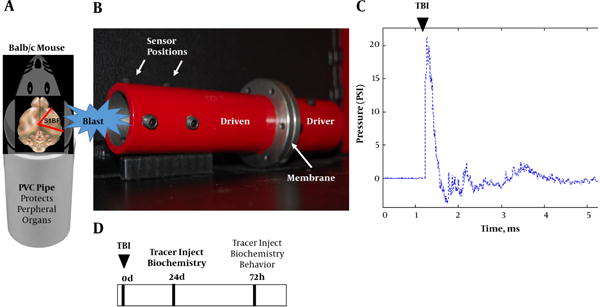
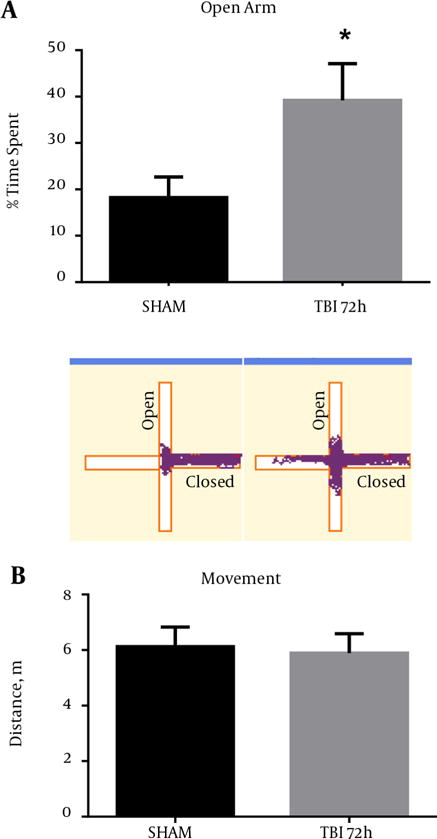
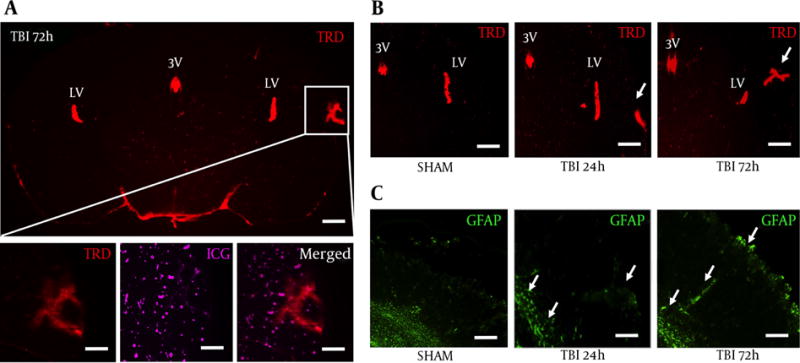
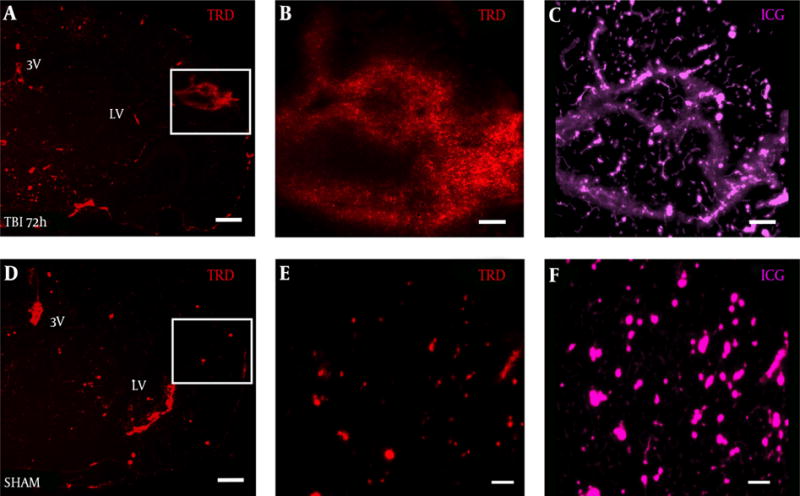
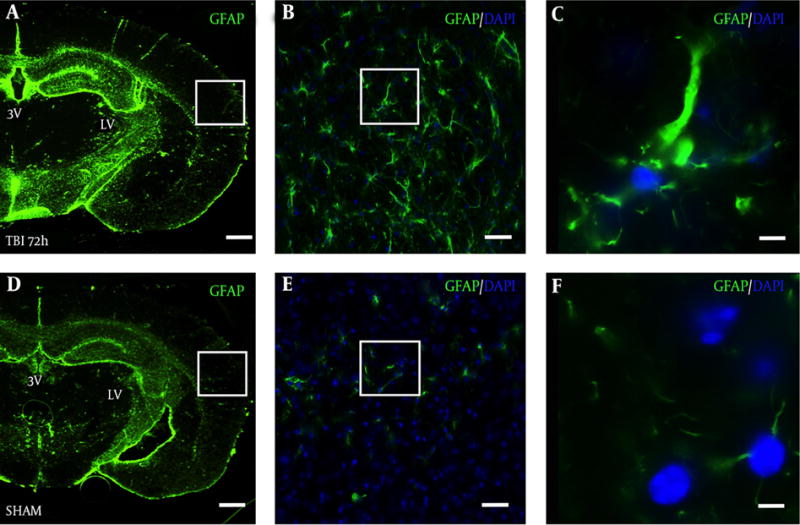
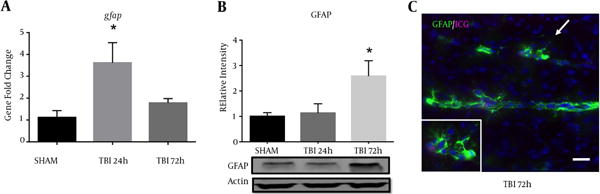
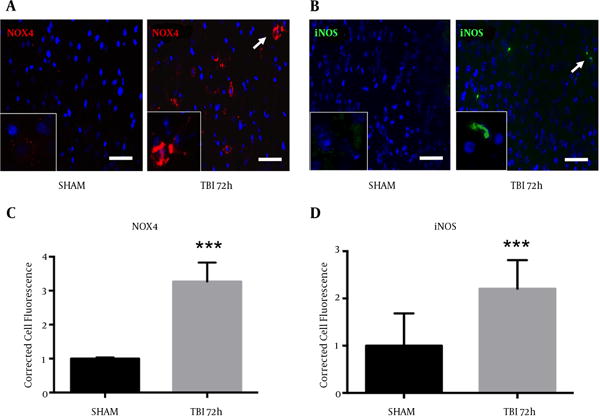
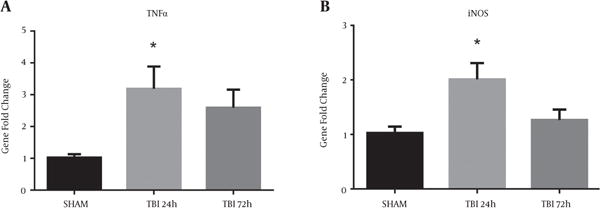
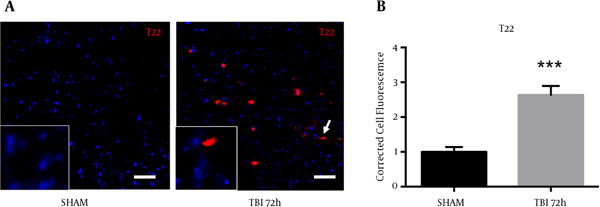
Neuropsychiatric symptom development has become more prevalent with 270,000 blast exposures occurring in the past 10 years in the United States. How blast injury leads to neuropsychiatric symptomology is currently unknown. Preclinical models of blast-induced traumatic brain injury have been used to demonstrate blood-brain barrier disruption, degenerative pathophysiology, and behavioral deficits. Vascular injury is a primary effect of neurotrauma that can trigger secondary injury cascades and neurodegeneration. Here we present data from a novel scaled and clinically relevant mouse blast model that was specifically developed to assess the outcome of vascular injury. We look at the biochemical effects and behavioral changes associated with blast injury in young-adult male BALB/c mice. We report that blast exposure causes focal vascular injury in the Somatosensory Barrel Field cortex, which leads to perivascular astrocyte reactivity, as well as acute aberrant behavior. Biochemical analysis revealed that mild blast exposure also invokes tauopathy, neuroinflammation, and oxidative stress. Overall, we propose our model to be used to evaluate focal blood-brain barrier disruption and to discover novel therapies for human neuropsychiatric symptoms.
在美国,过去10年中有27万次爆炸暴露事件,神经精神症状的发展变得更加普遍。爆炸伤害如何导致神经精神症状目前尚不清楚。爆炸诱导的创伤性脑损伤的临床前模型已被用于证明血脑屏障破坏、退行性病理生理学和行为缺陷。血管损伤是神经创伤的主要影响,可引发继发性损伤级联反应和神经退行性变。在这里,我们展示了来自一种新型的、按比例缩放且与临床相关的小鼠爆炸模型的数据,该模型是专门为评估血管损伤的结果而开发的。我们观察了年轻成年雄性BALB/c小鼠中与爆炸损伤相关的生化效应和行为变化。我们报告说,爆炸暴露会导致体感桶状皮层的局灶性血管损伤,这会导致血管周围星形胶质细胞反应性增强以及急性异常行为。生化分析表明,轻度爆炸暴露还会引发tau蛋白病、神经炎症和氧化应激。总体而言,我们建议使用我们的模型来评估局灶性血脑屏障破坏,并发现针对人类神经精神症状的新疗法。