Gadie Andrew, Shafto Meredith, Leng Yue, Kievit Rogier A
MRC Cognition and Brain Sciences Unit, Cambridge, UK.
Department of Psychology, University of Cambridge, Cambridge, UK.
BMJ Open. 2017 Jul 31;7(7):e014920. doi: 10.1136/bmjopen-2016-014920.
To examine age-related differences in self-reported sleep quality and their associations with health outcomes across four domains: physical health, cognitive health, mental health and neural health.
Cambridge Centre for Ageing and Neuroscience (Cam-CAN) is a cohort study in East Anglia/England, which collected self-reported health and lifestyle questions as well as a range of objective measures from healthy adults.
2406 healthy adults (age 18-98) answered questions about their sleep quality (Pittsburgh Sleep Quality Index (PSQI)) and measures of physical, cognitive, mental and neural health. A subset of 641 individuals provided measures of brain structure.
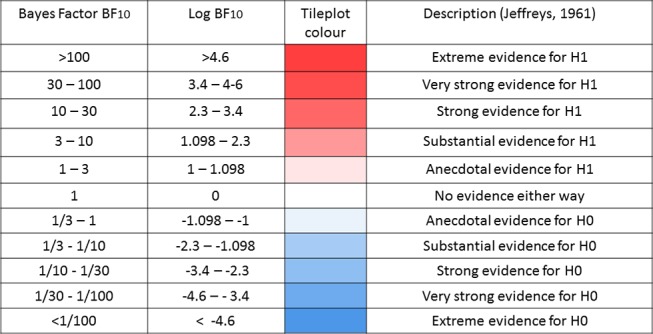
PSQI scores of sleep and scores across tests within the four domains of health. Latent class analysis (LCA) is used to identify sleep types across the lifespan. Bayesian regressions quantify the presence, and absence, of relationships between sleep quality and health measures.
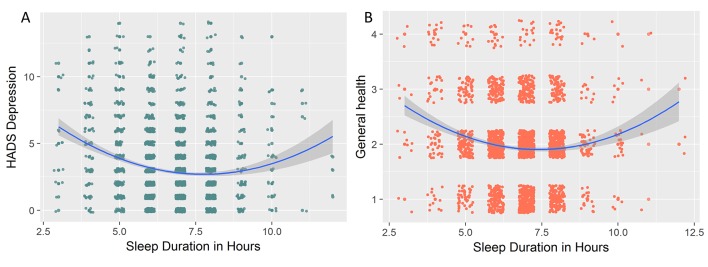
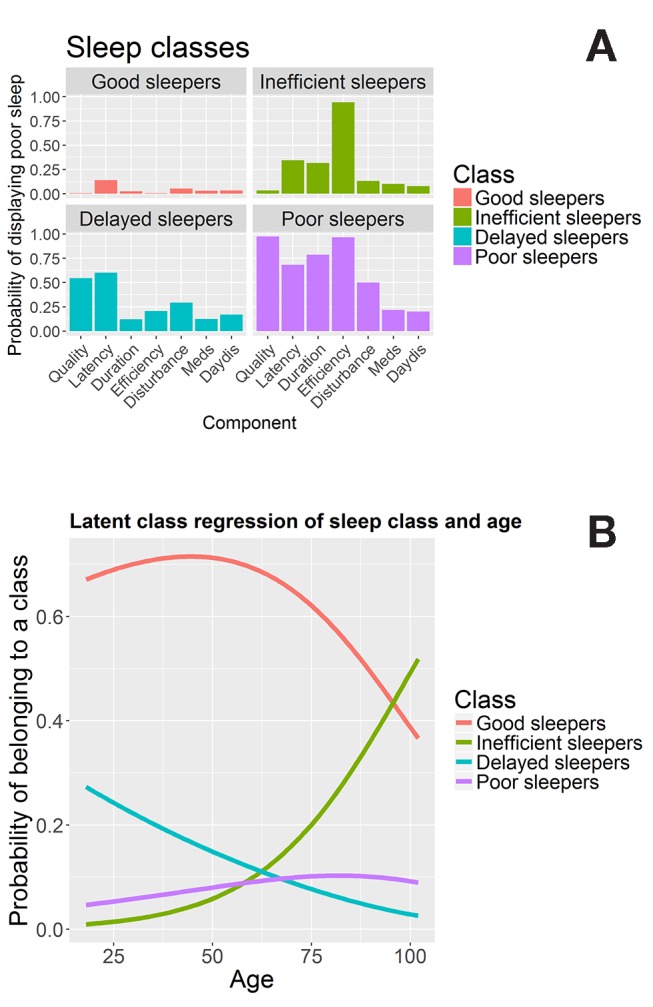
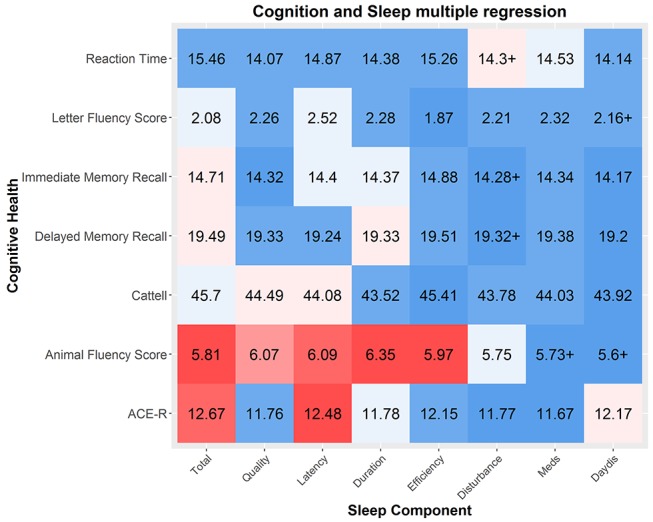
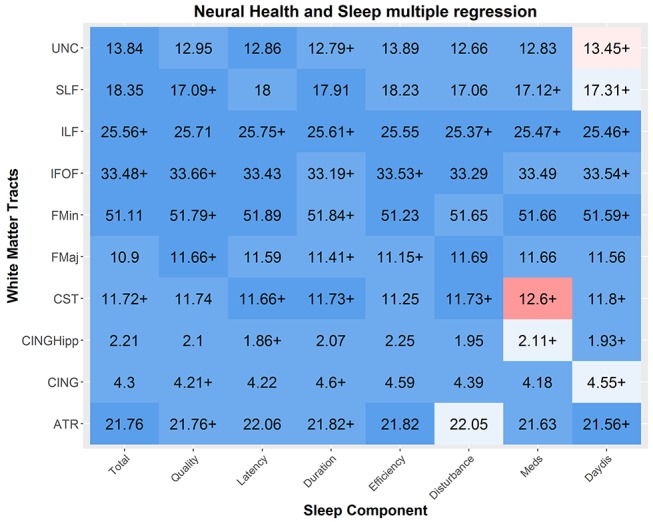
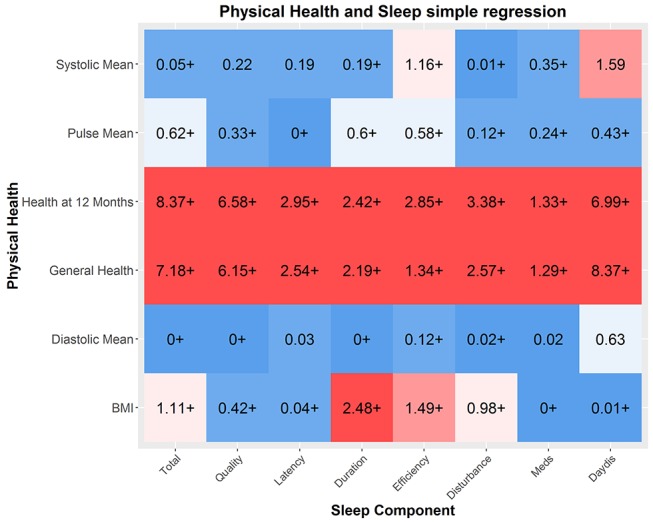
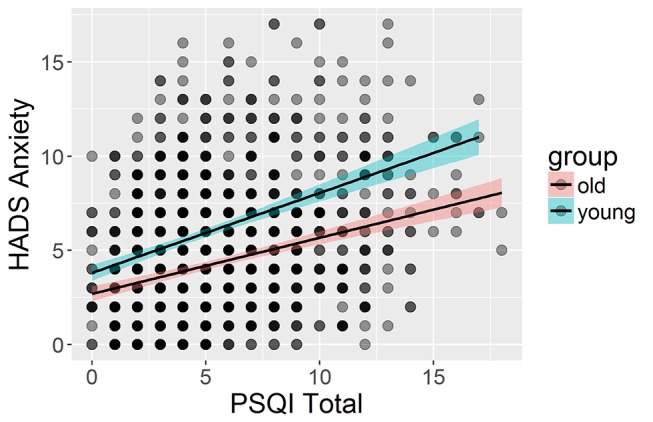
Better self-reported sleep is generally associated with better health outcomes, strongly so for mental health, moderately for cognitive and physical health, but not for sleep quality and neural health. LCA identified four sleep types: 'good sleepers' (68.1%, most frequent in middle age), 'inefficient sleepers' (14.01%, most frequent in old age), 'delayed sleepers' (9.28%, most frequent in young adults) and 'poor sleepers' (8.5%, most frequent in old age). There is little evidence for interactions between sleep quality and age on health outcomes. Finally, we observe U-shaped associations between sleep duration and mental health (depression and anxiety) as well as self-reported general health, such that both short and long sleep were associated with poorer outcomes.
Lifespan changes in sleep quality are multifaceted and not captured well by summary measures, but instead should be viewed as as partially independent symptoms that vary in prevalence across the lifespan. Better self-reported sleep is associated with better health outcomes, and the strength of these associations differs across health domains. Notably, we do not observe associations between self-reported sleep quality and white matter.
研究自我报告的睡眠质量与四个领域健康结果之间的年龄相关差异及其关联,这四个领域分别为身体健康、认知健康、心理健康和神经健康。
剑桥衰老与神经科学中心(Cam-CAN)是一项在东安格利亚/英格兰开展的队列研究,该研究收集了自我报告的健康和生活方式问题以及来自健康成年人的一系列客观测量数据。
2406名健康成年人(年龄在18 - 98岁之间)回答了关于他们睡眠质量的问题(匹兹堡睡眠质量指数(PSQI))以及身体、认知、心理和神经健康的测量问题。641名个体的子集提供了脑结构测量数据。
睡眠的PSQI得分以及四个健康领域内各项测试的得分。潜在类别分析(LCA)用于确定整个生命周期中的睡眠类型。贝叶斯回归量化睡眠质量与健康测量之间关系的存在与否。
自我报告的睡眠质量越好,通常与越好的健康结果相关,对心理健康的相关性很强,对认知和身体健康的相关性为中等,但与睡眠质量和神经健康无关。LCA确定了四种睡眠类型:“良好睡眠者”(68.1%,在中年最常见)、“低效睡眠者”(14.01%,在老年最常见)、“晚睡者”(9.28%,在年轻人中最常见)和“睡眠不佳者”(8.5%,在老年最常见)。几乎没有证据表明睡眠质量和年龄对健康结果有相互作用。最后,我们观察到睡眠时间与心理健康(抑郁和焦虑)以及自我报告的总体健康之间呈U形关联,即短睡眠和长睡眠都与较差的结果相关。
睡眠质量在整个生命周期中的变化是多方面的,汇总测量不能很好地反映这些变化,而应将其视为在整个生命周期中患病率有所不同的部分独立症状。自我报告的睡眠质量越好,与越好的健康结果相关,并且这些关联的强度在不同健康领域有所不同。值得注意的是,我们未观察到自我报告的睡眠质量与白质之间存在关联。