Department of Ophthalmology, University Medical Centre of the Johannes Gutenberg University Mainz, Mainz, Germany.
Institute of Pharmacology, University Medical Centre of the Johannes Gutenberg University Mainz, Mainz, Germany.
Sci Rep. 2017 Aug 2;7(1):7111. doi: 10.1038/s41598-017-07768-7.
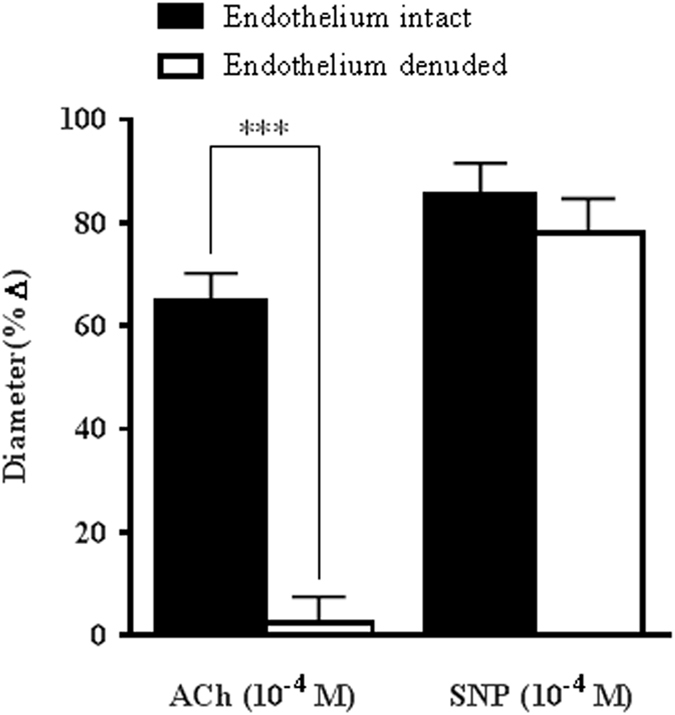
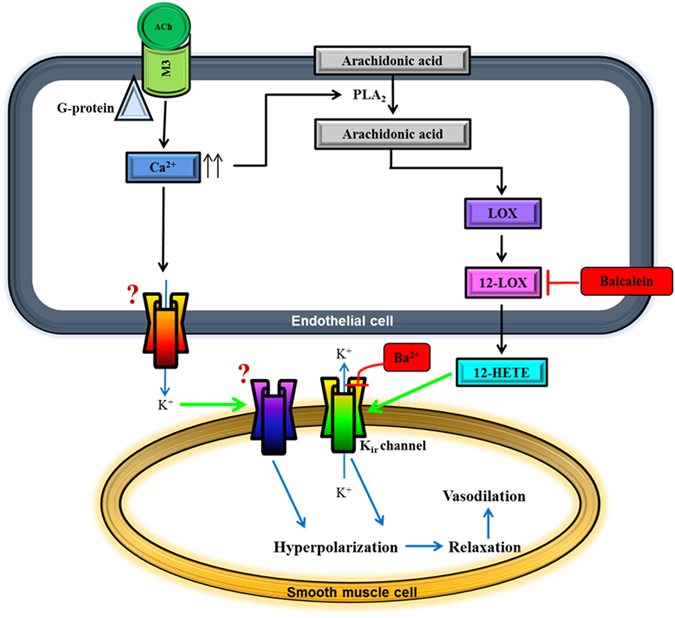
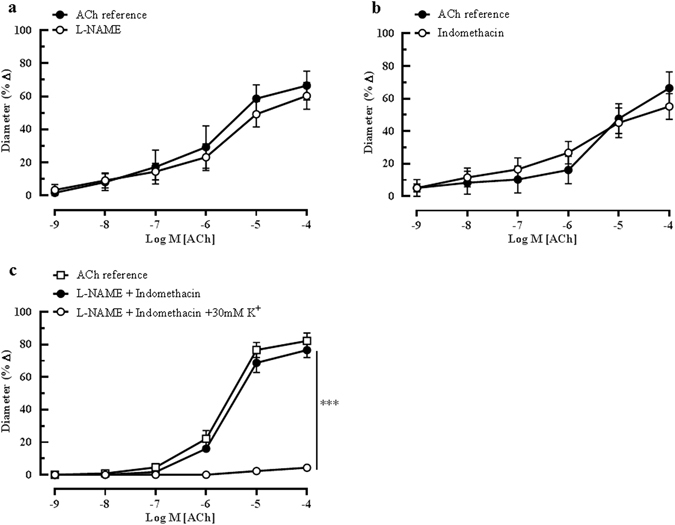
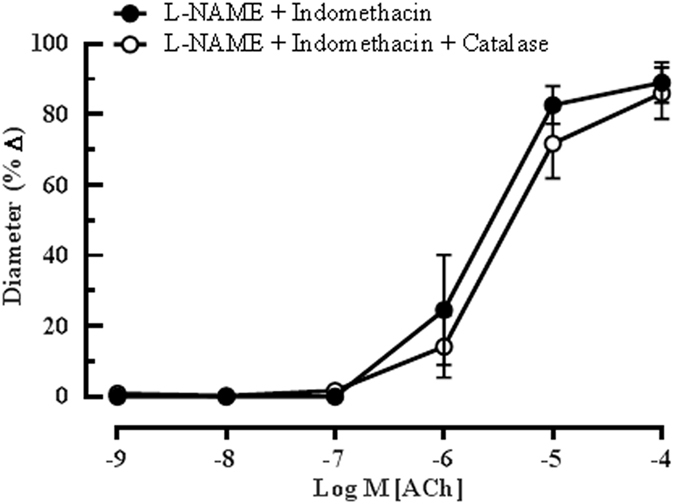
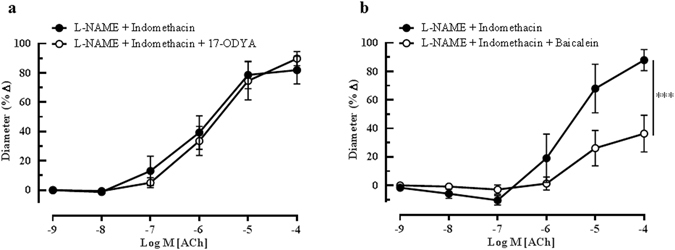
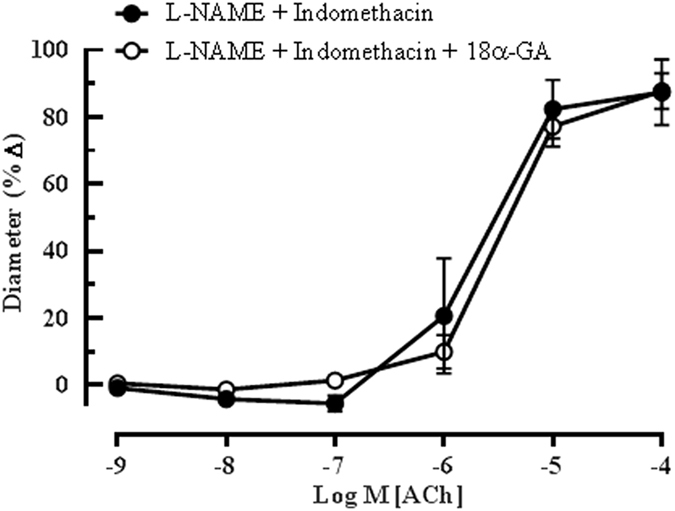
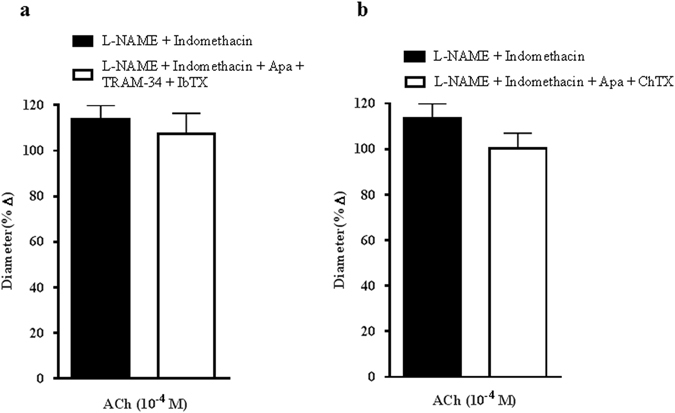
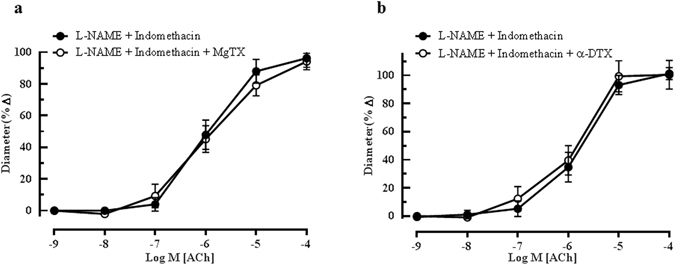
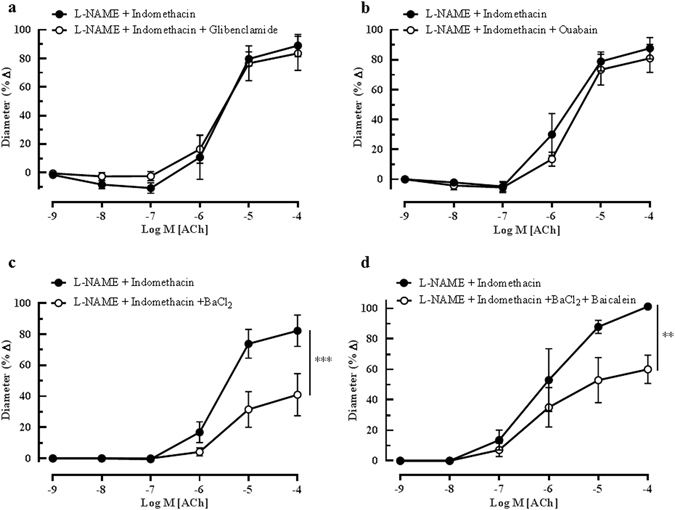
Nitric oxide (NO) generated by endothelial nitric oxide synthase (eNOS) plays an important role in the maintenance of ocular vascular homeostasis. Therefore, perturbations in vascular NO synthesis have been implicated in the pathogenesis of several ocular diseases. We recently reported that eNOS contributes significantly to vasodilation of the mouse ophthalmic artery. Interestingly, dilatory responses were also retained in eNOS gene-deficient mice (eNOS-/-), indicating inherent endothelial adaptive mechanism(s) that act as back-up systems in chronic absence of eNOS to preserve vasorelaxation. Thus, this study endeavoured to identify the compensatory mechanism(s) in the ophthalmic artery of eNOS-/- mice employing isolated arterial segments and pharmacological inhibitors in vitro. Endothelium removal virtually abolished acetylcholine (ACh)-induced vasodilation, suggesting an obligatory involvement of the endothelium in cholinergic control of vascular tone. However, non-NOS and non-cyclooxygenase components compensate for eNOS deficiency via endothelium-derived hyperpolarizing factors (EDHFs). Notably, arachidonic acid-derived metabolites of the 12-lipoxygenase pathway were key mediators in activating the inwardly rectifying potassium channels to compensate for chronic lack of eNOS. Conclusively, endothelium-dependent cholinergic responses of the ophthalmic artery in the eNOS-/- mice are largely preserved and, this vascular bed has the ability to compensate for the loss of normal vasodilator responses solely via EDHFs.
内皮型一氧化氮合酶(eNOS)产生的一氧化氮(NO)在维持眼部血管稳态中发挥着重要作用。因此,血管中 NO 合成的紊乱与几种眼部疾病的发病机制有关。我们最近报道,eNOS 对小鼠眼动脉的扩张有重要贡献。有趣的是,eNOS 基因缺失的小鼠(eNOS-/-)中也保留了舒张反应,这表明在慢性缺乏 eNOS 的情况下,存在内在的内皮适应机制作为后备系统,以维持血管舒张。因此,本研究旨在通过体外分离的动脉段和药理学抑制剂,鉴定 eNOS-/- 小鼠眼动脉中的代偿机制。内皮细胞去除几乎完全消除了乙酰胆碱(ACh)诱导的血管舒张,表明内皮细胞在胆碱能控制血管张力中具有强制性作用。然而,非 NOS 和非环加氧酶成分通过内皮衍生的超极化因子(EDHFs)补偿 eNOS 缺乏。值得注意的是,12-脂氧合酶途径产生的花生四烯酸代谢物是激活内向整流钾通道以补偿慢性 eNOS 缺乏的关键介质。总之,eNOS-/- 小鼠眼动脉的内皮依赖性胆碱能反应在很大程度上得到保留,并且这个血管床具有仅通过 EDHFs 补偿正常血管舒张反应丧失的能力。