Zheng Huaili, Feng Li, Gao Baoyu, Zhou Yuhao, Zhang Shixin, Xu Bingchen
Key Laboratory of the Three Gorges Reservoir Region's Eco-Environment, Ministry of Education, Chongqing University, Chongqing 400045, China.
National Centre for International Research of Low-carbon and Green Buildings, Chongqing University, Chongqing 400045, China.
Materials (Basel). 2017 May 3;10(5):487. doi: 10.3390/ma10050487.
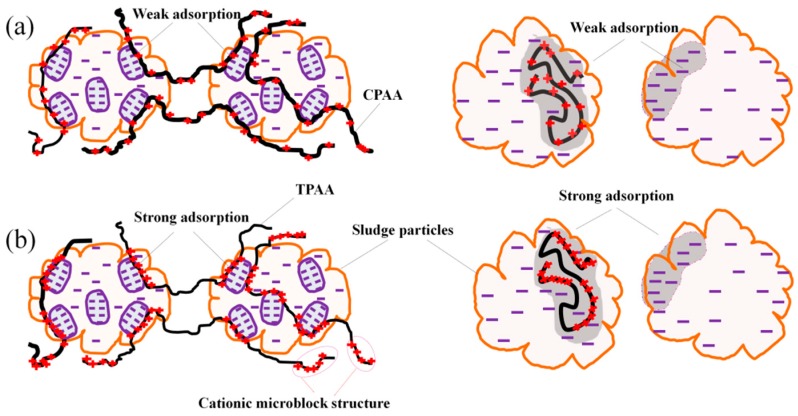
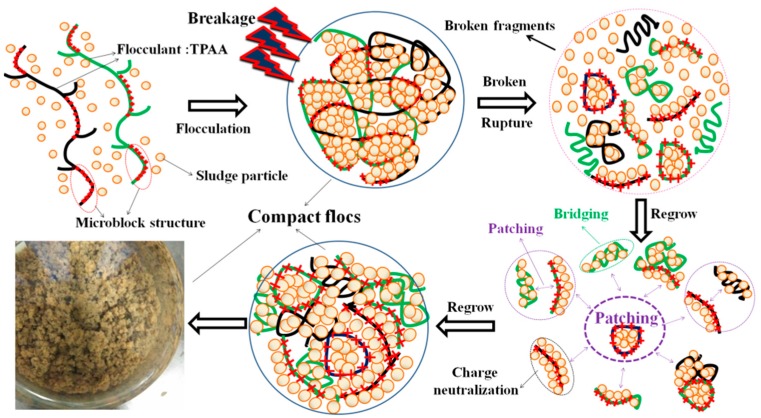
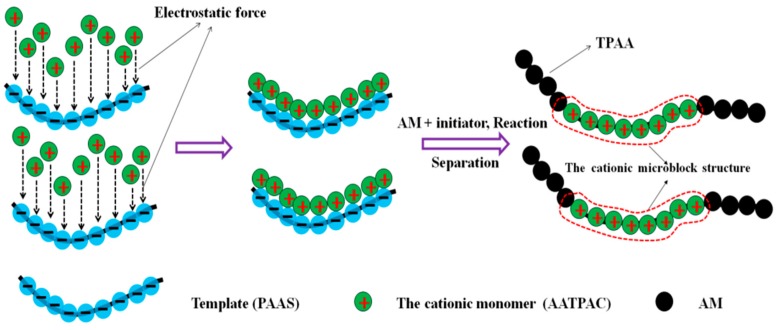
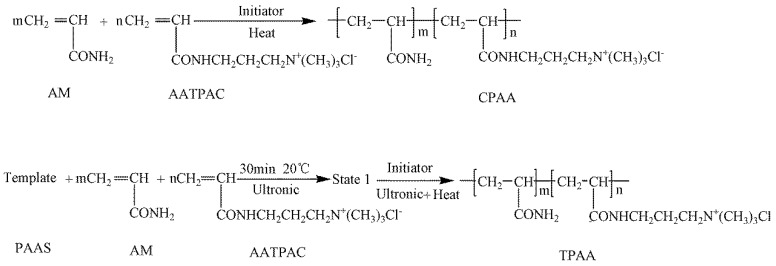
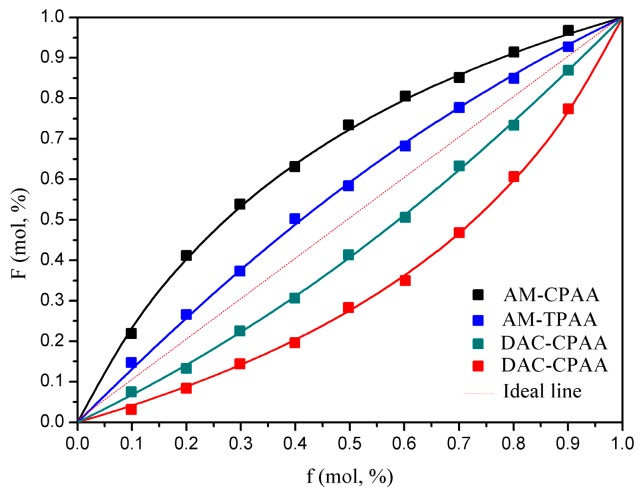
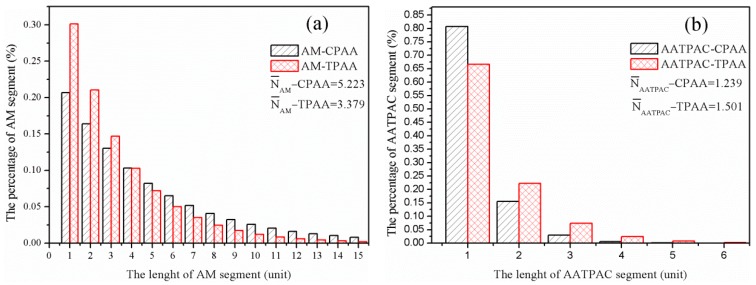
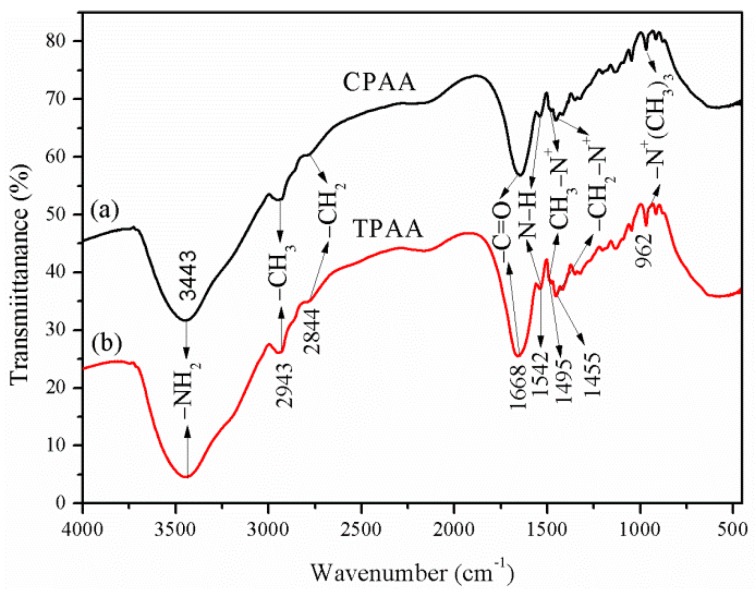
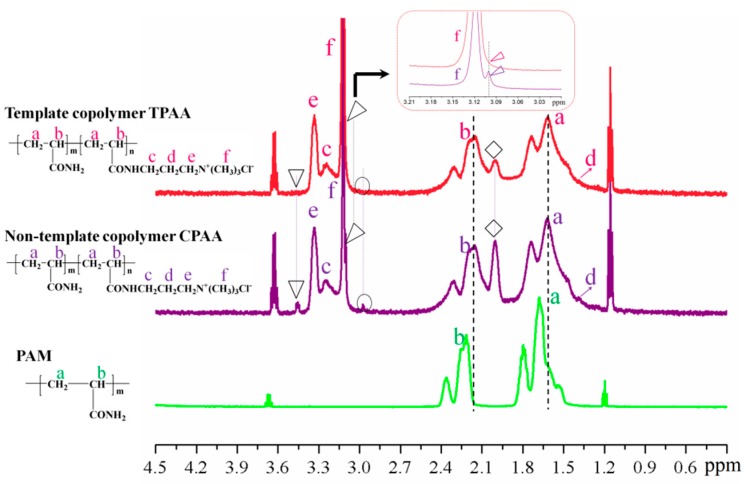
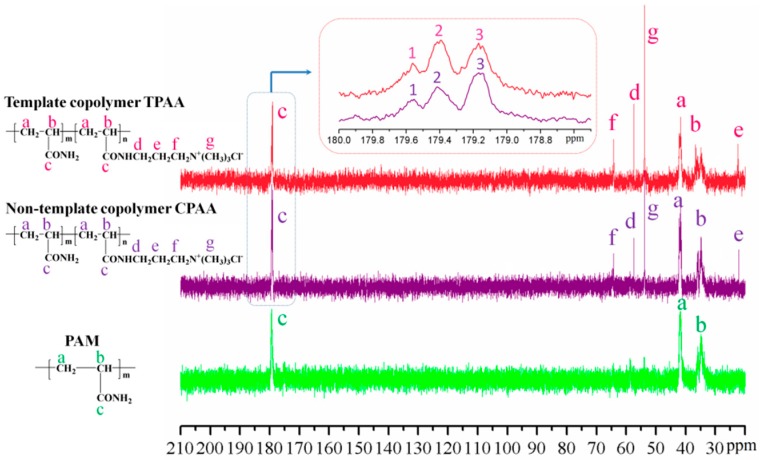
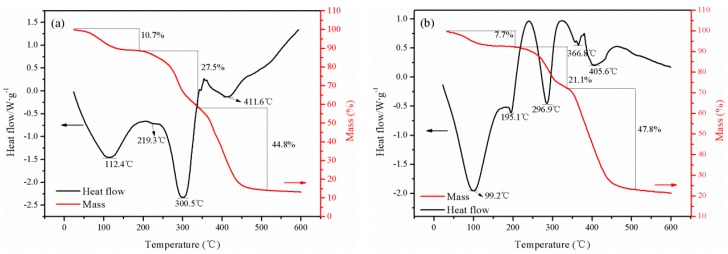
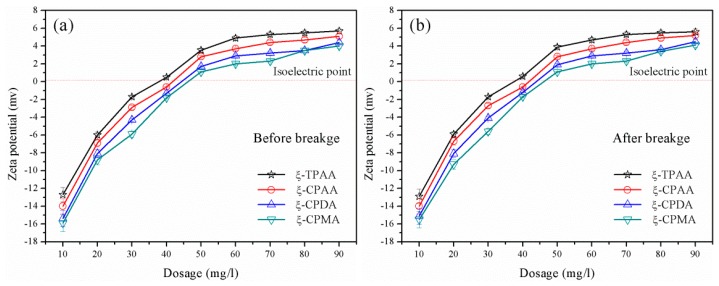
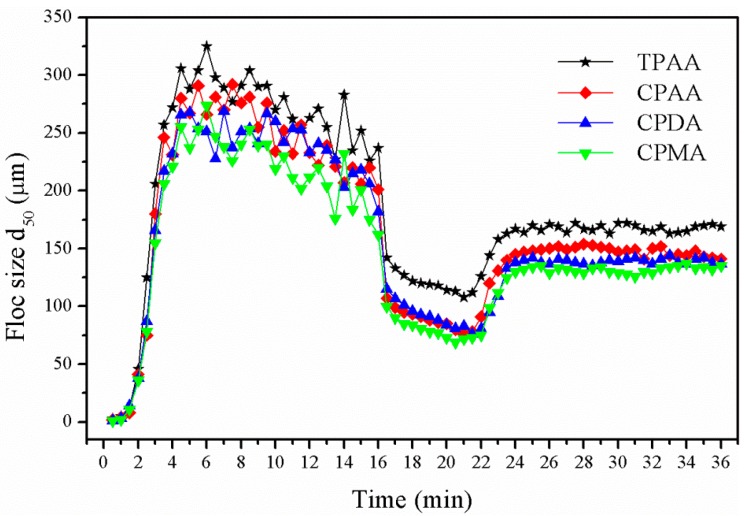
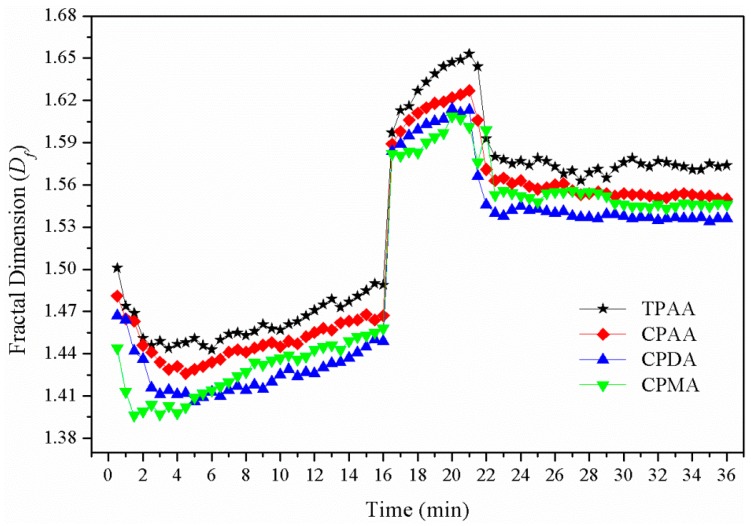
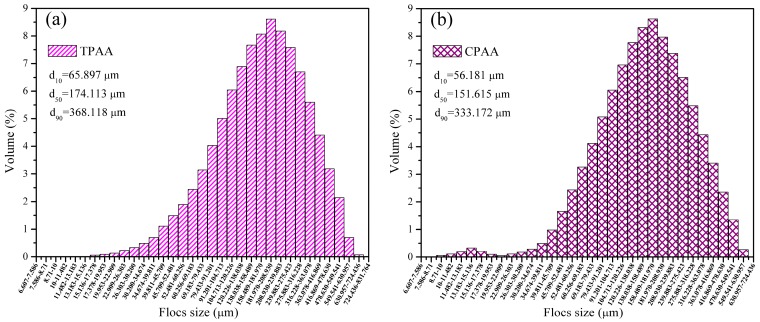
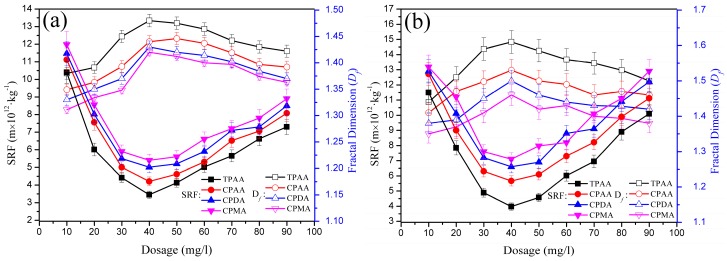
In this study, a template copolymer (TPAA) of (3-Acrylamidopropyl) trimethylammonium chloride (AATPAC) and acrylamide (AM) was successfully synthesized though ultrasonic-initiated template copolymerization (UTP), using sodium polyacrylate (PAAS) as a template. TPAA was characterized by an evident cationic microblock structure which was observed through the analyses of the reactivity ratio, Fourier transform infrared spectroscopy (FTIR), ¹H (C) nuclear magnetic resonance spectroscopy (¹H (C) NMR), and thermogravimetry/differential scanning calorimetry (TG/DSC). The introduction of the template could improve the monomer (AATPAC) reactivity ratio and increase the length and amount of AATPAC segments. This novel cationic microblock structure extremely enhanced the ability of charge neutralization, patching, and bridging, thus improving the activated sludge flocculation performance. The experiments of floc formation, breakage, and regrowth revealed that the cationic microblock structure in the copolymer resulted in large and compact flocs, and these flocs had a rapid regrowth when broken. Finally, the larger and more compact flocs contributed to the formation of more channels and voids, and therefore the specific resistance to filtration (SRF) reached a minimum.
在本研究中,以聚丙烯酸钠(PAAS)为模板,通过超声引发模板共聚(UTP)成功合成了(3-丙烯酰胺基丙基)三甲基氯化铵(AATPAC)与丙烯酰胺(AM)的模板共聚物(TPAA)。通过竞聚率分析、傅里叶变换红外光谱(FTIR)、¹H(C)核磁共振光谱(¹H(C)NMR)以及热重/差示扫描量热法(TG/DSC)对TPAA进行表征,观察到其具有明显的阳离子微嵌段结构。模板的引入可提高单体(AATPAC)的竞聚率,并增加AATPAC链段的长度和数量。这种新型阳离子微嵌段结构极大地增强了电荷中和、补丁和架桥能力,从而提高了活性污泥的絮凝性能。絮凝物形成、破碎和再生长实验表明,共聚物中的阳离子微嵌段结构导致形成大而紧密的絮凝物,这些絮凝物破碎后能快速再生长。最后,更大且更紧密的絮凝物有助于形成更多的通道和空隙,因此过滤比阻(SRF)达到最小值。