Haseeb Ridwan, Lau Michael, Sheah Max, Montagner Francisco, Quiram Gina, Palmer Kelli, Stefan Mihaela C, Rodrigues Danieli C
Department of Bioengineering, University of Texas at Dallas, 800 W Campbell, Richardson, TX 75080, USA.
Department of Conservative Dentistry, Dental School, Federal University of Rio Grande do Sul, Rua Ramiro Barcelos 2492, Porto Alegre-RS 90460-001, Brazil.
Materials (Basel). 2016 Jun 7;9(6):452. doi: 10.3390/ma9060452.
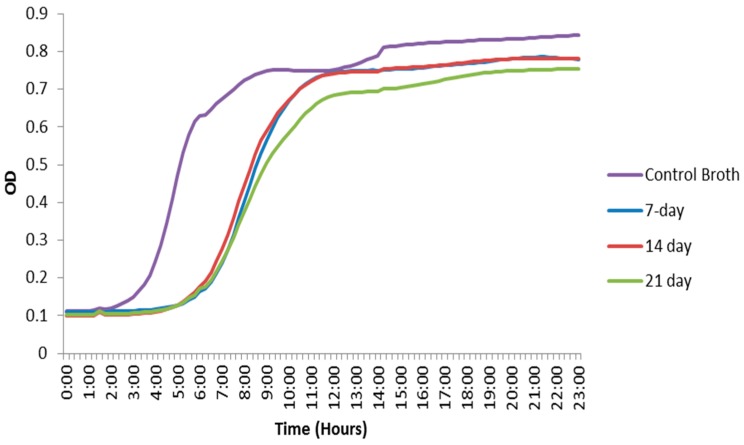
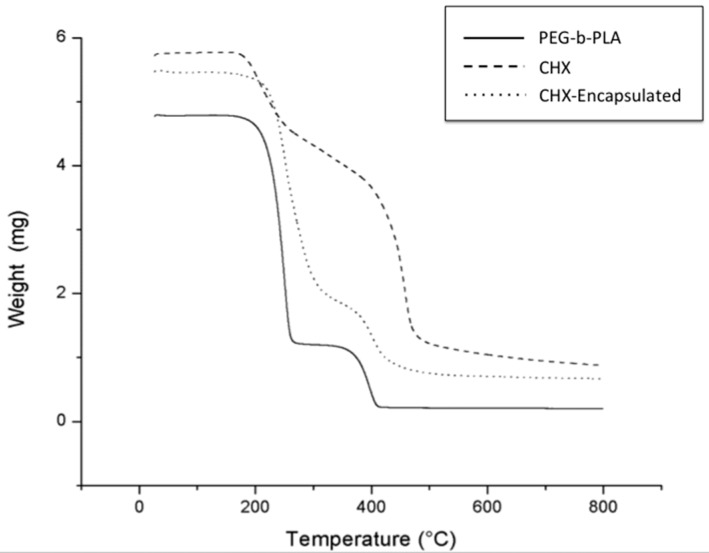
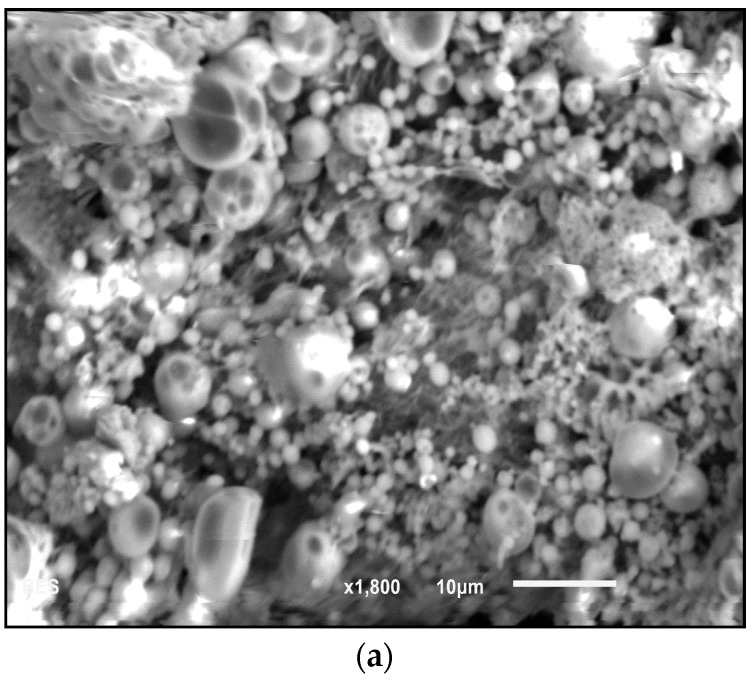
Root canal system disinfection is limited due to anatomical complexities. Better delivery systems of antimicrobial agents are needed to ensure efficient bacteria eradication. The purpose of this study was to design chlorhexidine-containing nanoparticles that could steadily release the drug. The drug chlorhexidine was encapsulated in poly(ethylene glycol)--poly(l-lactide) (PEG--PLA) to synthesize bilayer nanoparticles. The encapsulation efficiency was determined through thermogravimetric analysis (TGA), and particle characterization was performed through microscopy studies of particle morphology and size. Their antimicrobial effect was assessed over the endodontic pathogen . The nanoparticles ranged in size from 300-500 nm, which is considered small enough for penetration inside small dentin tubules. The nanoparticles were dispersed in a hydrogel matrix carrier system composed of 1% hydroxyethyl cellulose, and this hydrogel system was observed to have enhanced bacterial inhibition over longer periods of time. Chlorhexidine-containing nanoparticles demonstrate potential as a drug carrier for root canal procedures. Their size and rate of release may allow for sustained inhibition of bacteria in the root canal system.
由于解剖结构复杂,根管系统消毒受到限制。需要更好的抗菌剂递送系统来确保有效根除细菌。本研究的目的是设计能够稳定释放药物的含氯己定纳米颗粒。将药物氯己定包裹在聚(乙二醇)-聚(L-丙交酯)(PEG-PLA)中以合成双层纳米颗粒。通过热重分析(TGA)测定包封效率,并通过对颗粒形态和尺寸的显微镜研究进行颗粒表征。评估了它们对牙髓病原体的抗菌作用。纳米颗粒的尺寸范围为300-500nm,这被认为足够小,可以穿透小的牙本质小管。纳米颗粒分散在由1%羟乙基纤维素组成的水凝胶基质载体系统中,观察到该水凝胶系统在较长时间内具有增强的细菌抑制作用。含氯己定纳米颗粒作为根管治疗程序的药物载体具有潜力。它们的大小和释放速率可能允许对根管系统中的细菌进行持续抑制。