Houcke Jan Van, Khanduja Vikas, Pattyn Christophe, Audenaert Emmanuel
Department of Orthopaedics Surgery and Traumatology, Ghent University Hospital, Ghent 9000, Belgium.
Department of Trauma and Orthopaedics, Addenbrooke's Hospital, Cambridge University Hospitals NHS Foundation Trust, Cambridge, CB2 0QQ, UK.
Indian J Orthop. 2017 Jul-Aug;51(4):359-367. doi: 10.4103/ortho.IJOrtho_280_17.
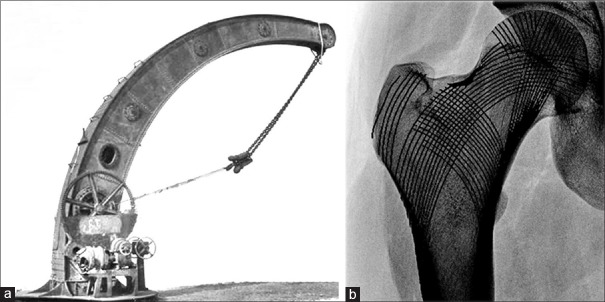
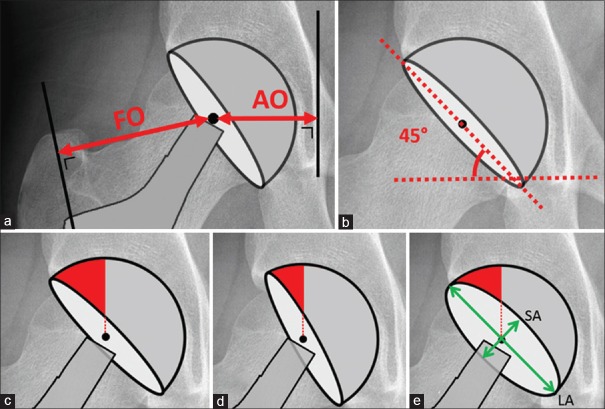
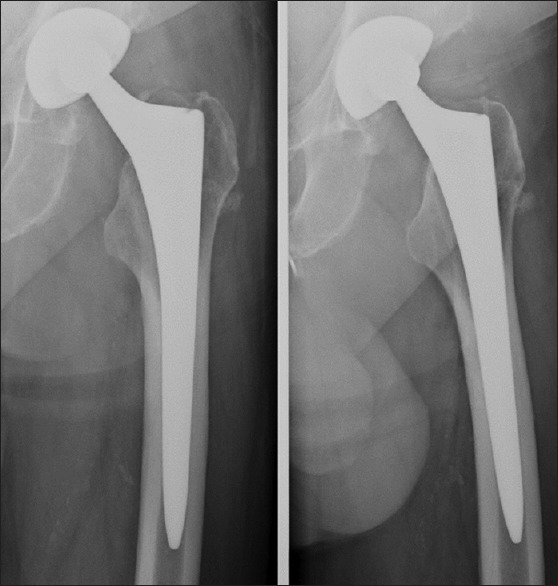
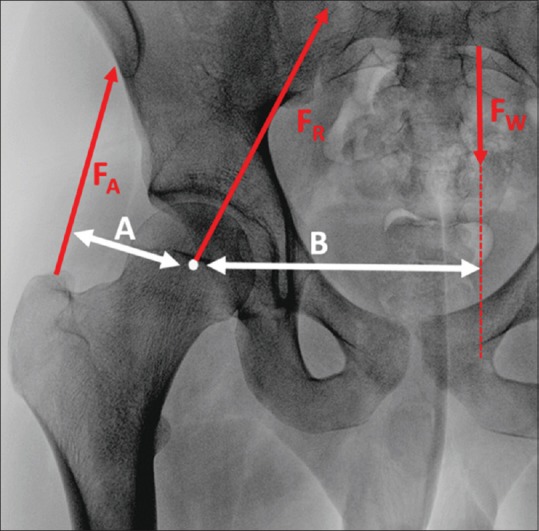
Biomechanics of the hip joint describes how the complex combination of osseous, ligamentous, and muscular structures transfers the weight of the body from the axial skeleton into the appendicular skeleton of the lower limbs. Throughout history, several biomechanical studies based on theoretical mathematics, , as well as models have been successfully performed. The insights gained from these studies have improved our understanding of the development of mechanical hip pathologies such as osteoarthritis, hip fractures, and developmental dysplasia of the hip. The main treatment of end-stage degeneration of the hip is total hip arthroplasty (THA). The increasing number of patients undergoing this surgical procedure, as well as their demand for more than just pain relief and leading an active lifestyle, has challenged surgeons and implant manufacturers to deliver higher function as well as longevity with the prosthesis. The science of biomechanics has played and will continue to play a crucial and integral role in achieving these goals. The aim of this article, therefore, is to present to the readers the key concepts in biomechanics of the hip and their application to THA.
髋关节生物力学描述了骨、韧带和肌肉结构的复杂组合如何将身体重量从轴向骨骼传递到下肢的附属骨骼。纵观历史,已经成功进行了几项基于理论数学以及模型的生物力学研究。从这些研究中获得的见解增进了我们对机械性髋关节病变(如骨关节炎、髋部骨折和发育性髋关节发育不良)发展的理解。髋关节终末期退变的主要治疗方法是全髋关节置换术(THA)。接受这种外科手术的患者数量不断增加,以及他们对不仅仅是缓解疼痛和积极生活方式的需求,给外科医生和植入物制造商带来了挑战,要求他们提供更高的假体功能以及更长的使用寿命。生物力学科学在实现这些目标方面已经并将继续发挥至关重要且不可或缺的作用。因此,本文的目的是向读者介绍髋关节生物力学的关键概念及其在全髋关节置换术中的应用。