Human Microbiome Programme. School of Biomedical Sciences. Faculty of Health Sciences, Curtin University, Perth, WA, Australia.
Curtin Health Innovation Research Institute (CHIRI), Curtin University, Perth, WA, Australia.
Microbiome. 2017 Aug 9;5(1):95. doi: 10.1186/s40168-017-0312-4.
Statins are a class of therapeutics used to regulate serum cholesterol and reduce the risk of heart disease. Although statins are highly effective in removing cholesterol from the blood, their consumption has been linked to potential adverse effects in some individuals. The most common events associated with statin intolerance are myopathy and increased risk of developing type 2 diabetes mellitus. However, the pathological mechanism through which statins cause these adverse effects is not well understood.
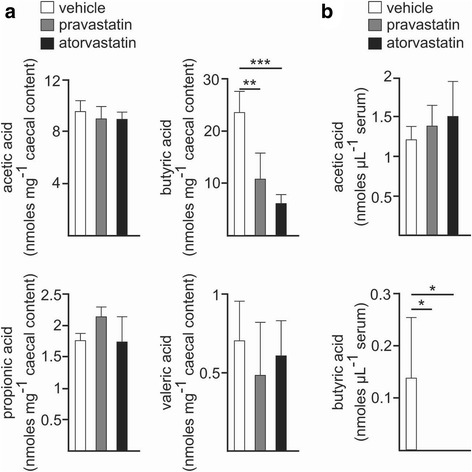
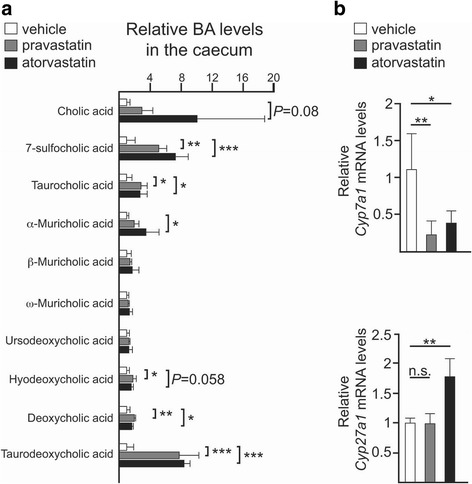
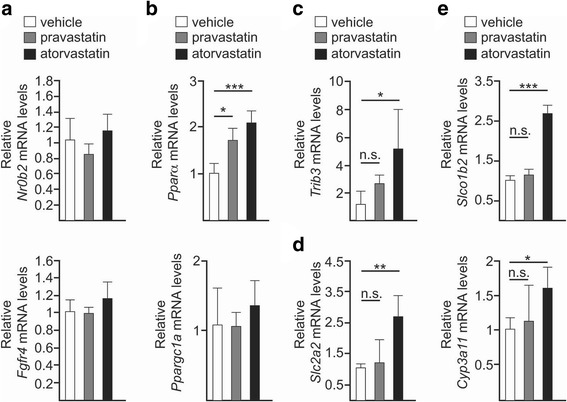
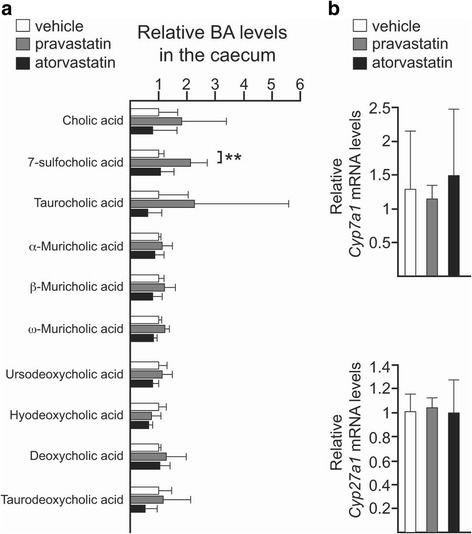
Using a murine model, we describe for the first time profound changes in the microbial composition of the gut following statin treatment. This remodelling affected the diversity and metabolic profile of the gut microbiota and was associated with reduced production of butyrate. Statins altered both the size and composition of the bile acid pool in the intestine, tentatively explaining the observed gut dysbiosis. As also observed in patients, statin-treated mice trended towards increased fasting blood glucose levels and weight gain compared to controls. Statin treatment affected the hepatic expression of genes involved in lipid and glucose metabolism. Using gene knockout mice, we demonstrated that the observed effects were mediated through pregnane X receptor (PXR).
This study demonstrates that statin therapy drives a profound remodelling of the gut microbiota, hepatic gene deregulation and metabolic alterations in mice through a PXR-dependent mechanism. Since the demonstrated importance of the intestinal microbial community in host health, this work provides new perspectives to help prevent the statin-associated unintended metabolic effects.
他汀类药物是一类用于调节血清胆固醇和降低心脏病风险的治疗药物。尽管他汀类药物在从血液中去除胆固醇方面非常有效,但它们的使用与一些个体的潜在不良反应有关。与他汀类药物不耐受最相关的事件是肌病和 2 型糖尿病风险增加。然而,他汀类药物引起这些不良反应的病理机制尚不清楚。
我们使用小鼠模型,首次描述了他汀类药物治疗后肠道微生物组成的深刻变化。这种重塑影响了肠道微生物群的多样性和代谢特征,并与丁酸生成减少有关。他汀类药物改变了肠道中胆汁酸池的大小和组成,这可以解释观察到的肠道菌群失调。与患者中观察到的情况一样,与对照组相比,接受他汀类药物治疗的小鼠空腹血糖水平升高和体重增加的趋势更为明显。他汀类药物治疗影响了肝脏中参与脂质和葡萄糖代谢的基因表达。使用基因敲除小鼠,我们证明观察到的效应是通过妊娠相关 X 受体 (PXR) 介导的。
这项研究表明,他汀类药物治疗通过 PXR 依赖的机制,在小鼠中驱动肠道微生物群、肝基因失调和代谢改变的深刻重塑。由于肠道微生物群落对宿主健康的重要性已得到证明,这项工作为帮助预防他汀类药物相关的意外代谢效应提供了新的视角。