Bhat Sajad A, Mounsey Kate E, Liu Xiaosong, Walton Shelley F
Inflammation & Healing Research Cluster, School of Health and Sport Sciences, Faculty of Science, Health, Education and Engineering, University of the Sunshine Coast, Locked Bag 4, Maroochydore DC, QLD, 4558, Australia.
Parasit Vectors. 2017 Aug 10;10(1):385. doi: 10.1186/s13071-017-2320-4.
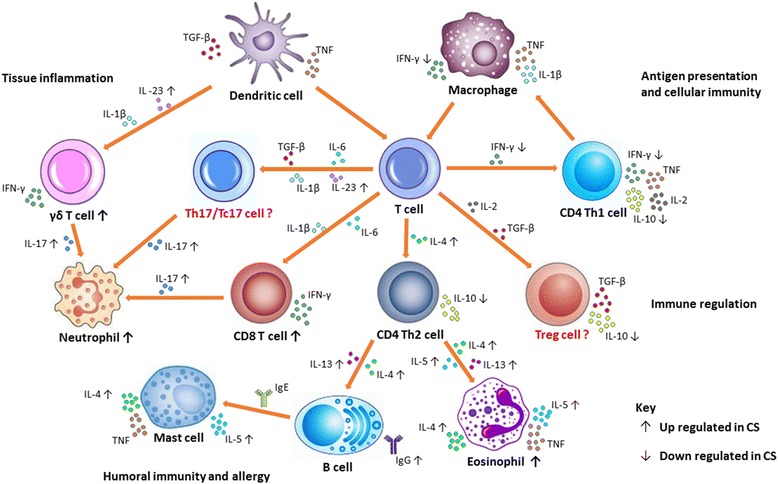
Scabies is a parasitic disease due to infestation of skin by the burrowing mite Sarcoptes scabiei. Scabies is a major public health problem and endemic in resource poor communities worldwide affecting over 100 million people. Associated bacterial infections cause substantial morbidity, and in severe cases can lead to renal and cardiac diseases. Mite infestation of the skin causes localised cutaneous inflammation, pruritus, skin lesions, and allergic and inflammatory responses are mounted by the host against the mite and its products. Our current understanding of the immune and inflammatory responses associated with the clinical manifestations in scabies is far outweighed by the significant global impact of the disease. This review aims to provide a better understanding of human immune responses to S. scabiei in ordinary and crusted scabies phenotypes.
疥疮是一种寄生虫病,由掘穴疥螨感染皮肤所致。疥疮是一个重大的公共卫生问题,在全球资源匮乏的社区呈地方性流行,影响着超过1亿人。相关的细菌感染会导致严重发病,在严重情况下可引发肾脏和心脏疾病。螨虫感染皮肤会引起局部皮肤炎症、瘙痒、皮肤病变,宿主会针对螨虫及其产物产生过敏和炎症反应。我们目前对与疥疮临床表现相关的免疫和炎症反应的了解,远远不及该疾病对全球造成的重大影响。本综述旨在更好地了解普通型和结痂型疥疮患者对疥螨的免疫反应。