Mandal Abhishek, Das Sushmita, Kumar Ajay, Roy Saptarshi, Verma Sudha, Ghosh Ayan Kumar, Singh Ruby, Abhishek Kumar, Saini Savita, Sardar Abul Hasan, Purkait Bidyut, Kumar Ashish, Mandal Chitra, Das Pradeep
Department of Molecular Biology, Rajendra Memorial Research Institute of Medical Sciences (ICMR), Patna, India.
Department of Microbiology, All India Institute of Medical Sciences (AIIMS), Patna, India.
Front Immunol. 2017 Jul 26;8:839. doi: 10.3389/fimmu.2017.00839. eCollection 2017.
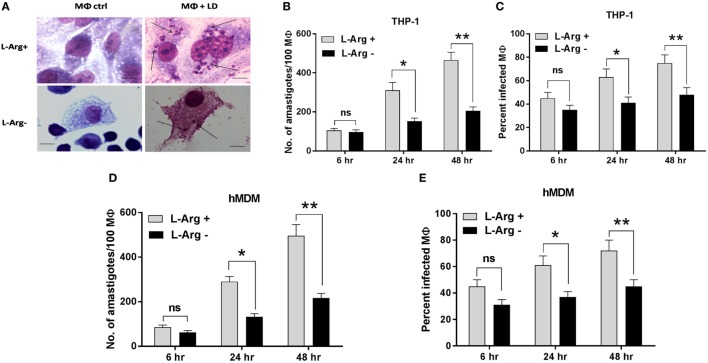
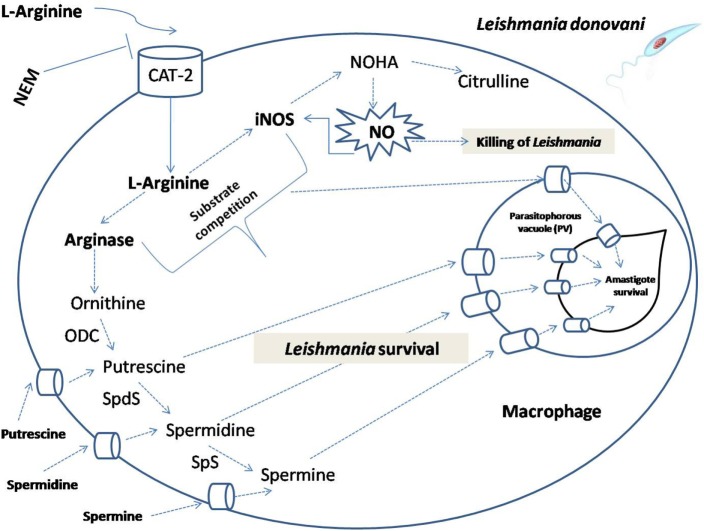
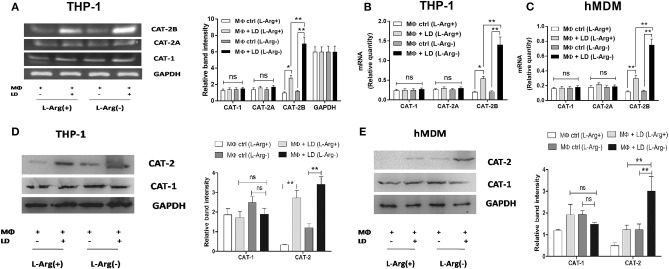
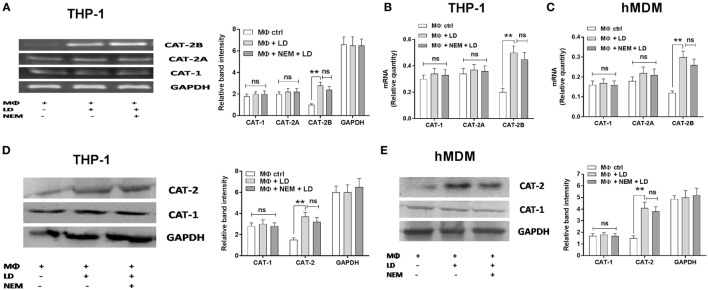
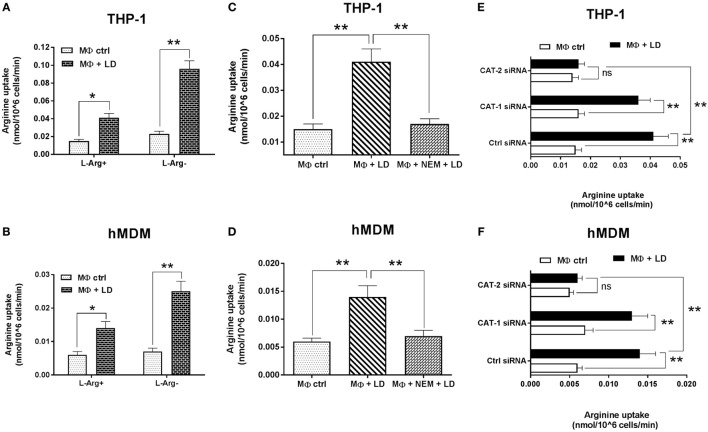
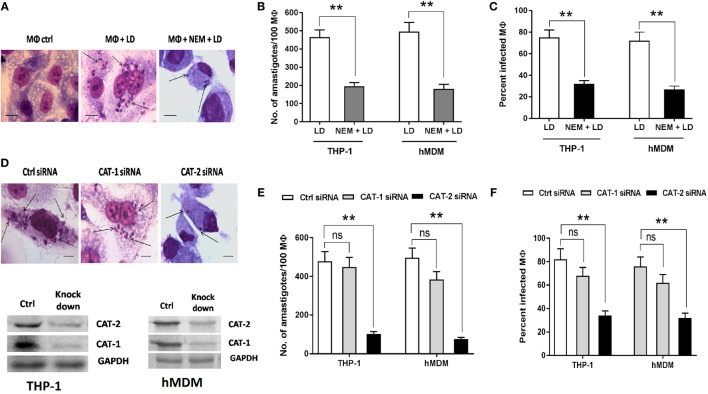
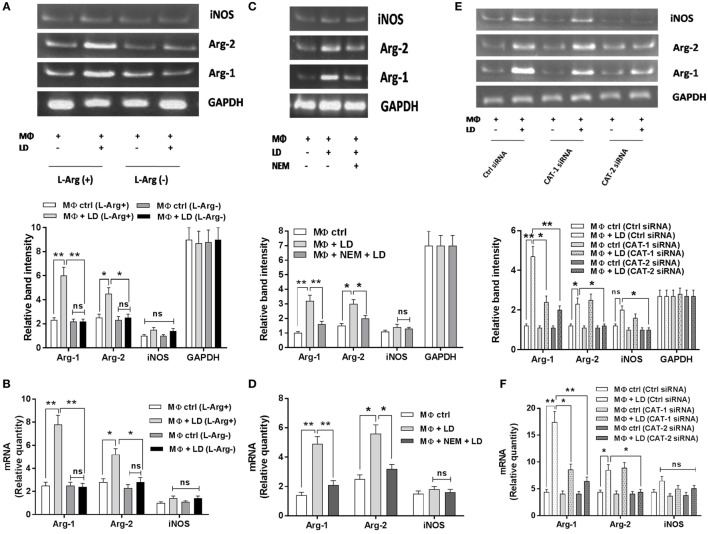
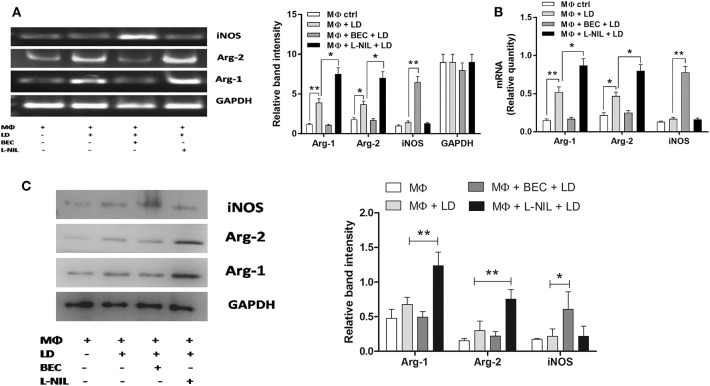
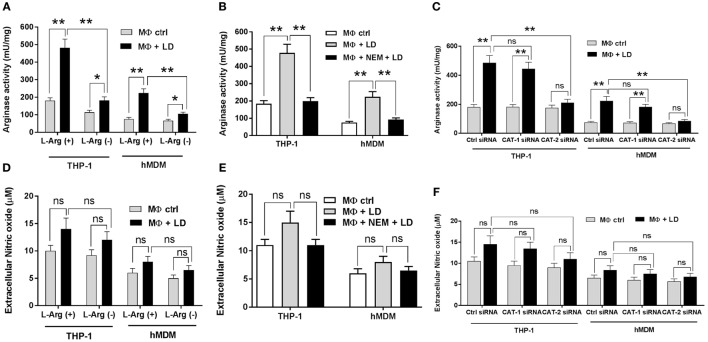
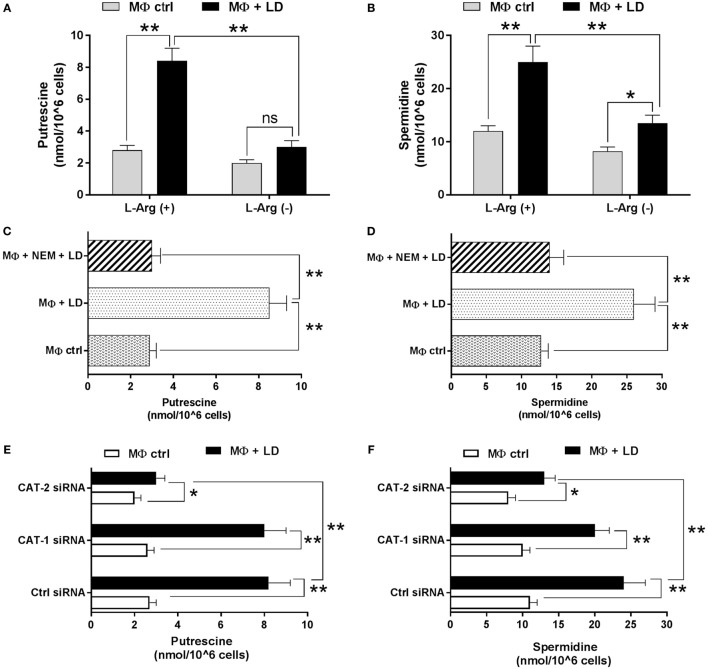
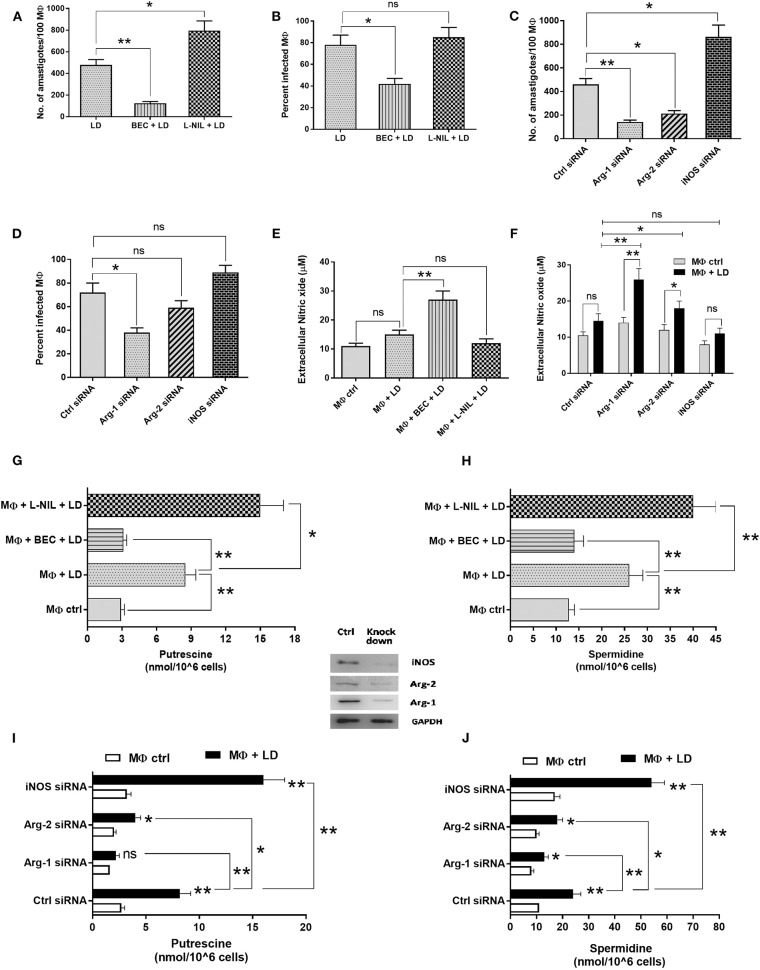
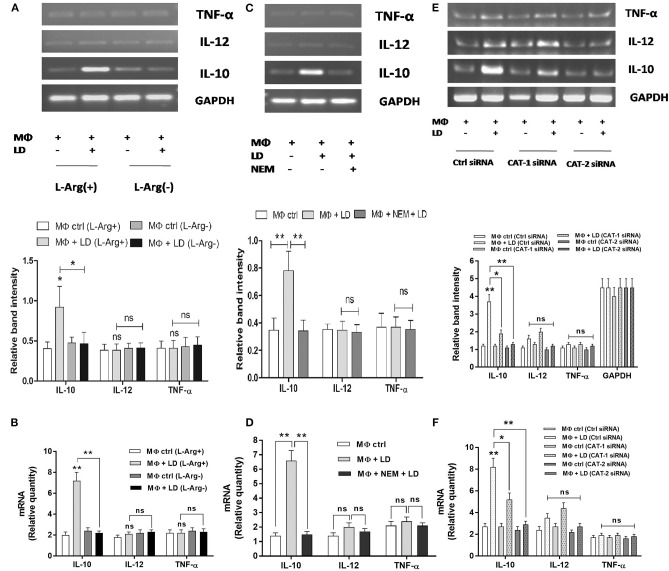
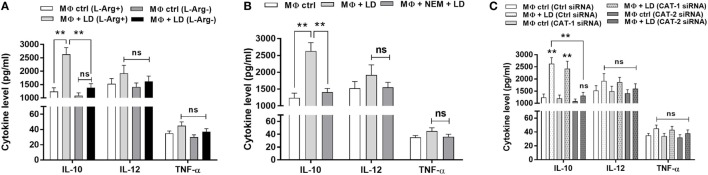
The survival of intracellular protozoan parasite, , the causative agent of Indian visceral leishmaniasis (VL), depends on the activation status of macrophages. l-Arginine, a semi-essential amino acid plays a crucial regulatory role for activation of macrophages. However, the role of l-arginine transport in VL still remains elusive. In this study, we demonstrated that intra-macrophage survival of depends on the availability of extracellular l-arginine. Infection of THP-1-derived macrophage/human monocyte-derived macrophage (hMDM) with , resulted in upregulation of l-arginine transport. While investigating the involvement of the transporters, we observed that survival was greatly impaired when the transporters were blocked either using inhibitor or siRNA-mediated downregulation. CAT-2 was found to be the main isoform associated with l-arginine transport in -infected macrophages. l-arginine availability and its transport regulated the host arginase in infection. Arginase and inducible nitric oxide synthase (iNOS) expression were reciprocally regulated when assayed using specific inhibitors and siRNA-mediated downregulation. Interestingly, induction of iNOS expression and nitric oxide production were observed in case of inhibition of arginase in infected macrophages. Furthermore, inhibition of l-arginine transport as well as arginase resulted in decreased polyamine production, limiting parasite survival inside macrophages. l-arginine availability and transport regulated Th1/Th2 cytokine levels in case of infection. Upregulation of l-arginine transport, induction of host arginase, and enhanced polyamine production were correlated with increased level of IL-10 and decreased level of IL-12 and TNF-α in -infected macrophages. Our findings provide clear evidence for targeting the metabolism of l-arginine and l-arginine-metabolizing enzymes as an important therapeutic and prophylactic strategy to treat VL.
印度内脏利什曼病(VL)的病原体——细胞内原生动物寄生虫的存活取决于巨噬细胞的激活状态。L-精氨酸是一种半必需氨基酸,对巨噬细胞的激活起着关键的调节作用。然而,L-精氨酸转运在VL中的作用仍不清楚。在本研究中,我们证明了该寄生虫在巨噬细胞内的存活取决于细胞外L-精氨酸的可用性。用该寄生虫感染THP-1来源的巨噬细胞/人单核细胞来源的巨噬细胞(hMDM)会导致L-精氨酸转运上调。在研究转运体的作用时,我们观察到当使用抑制剂或siRNA介导的下调来阻断转运体时,该寄生虫的存活会受到极大损害。发现CAT-2是与感染该寄生虫的巨噬细胞中L-精氨酸转运相关的主要异构体。L-精氨酸的可用性及其转运调节了该寄生虫感染中的宿主精氨酸酶。当使用特异性抑制剂和siRNA介导的下调进行检测时,精氨酸酶和诱导型一氧化氮合酶(iNOS)的表达相互调节。有趣的是,在感染的巨噬细胞中抑制精氨酸酶时,观察到iNOS表达和一氧化氮产生的诱导。此外,抑制L-精氨酸转运以及精氨酸酶会导致多胺产生减少,限制了寄生虫在巨噬细胞内的存活。在该寄生虫感染的情况下,L-精氨酸的可用性和转运调节了Th1/Th2细胞因子水平。L-精氨酸转运的上调、宿主精氨酸酶的诱导以及多胺产生的增加与感染该寄生虫的巨噬细胞中IL-10水平升高和IL-12及TNF-α水平降低相关。我们的研究结果为将L-精氨酸代谢和L-精氨酸代谢酶作为治疗VL的重要治疗和预防策略提供了明确证据。