Thompson Zanshe, Rahman Shekh, Yarmolenko Sergey, Sankar Jagannathan, Kumar Dhananjay, Bhattarai Narayan
Department of Chemical, Biological and Bioengineering, North Carolina A&T State University, Greensboro, NC 27411, USA.
NSF Engineering Research Center for Revolutionizing Metallic Biomaterials, Greensboro, NC 27411, USA.
Materials (Basel). 2017 Aug 11;10(8):937. doi: 10.3390/ma10080937.
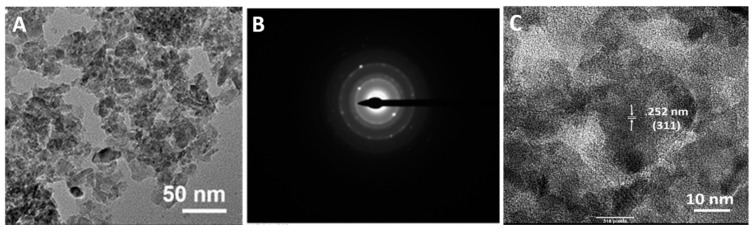
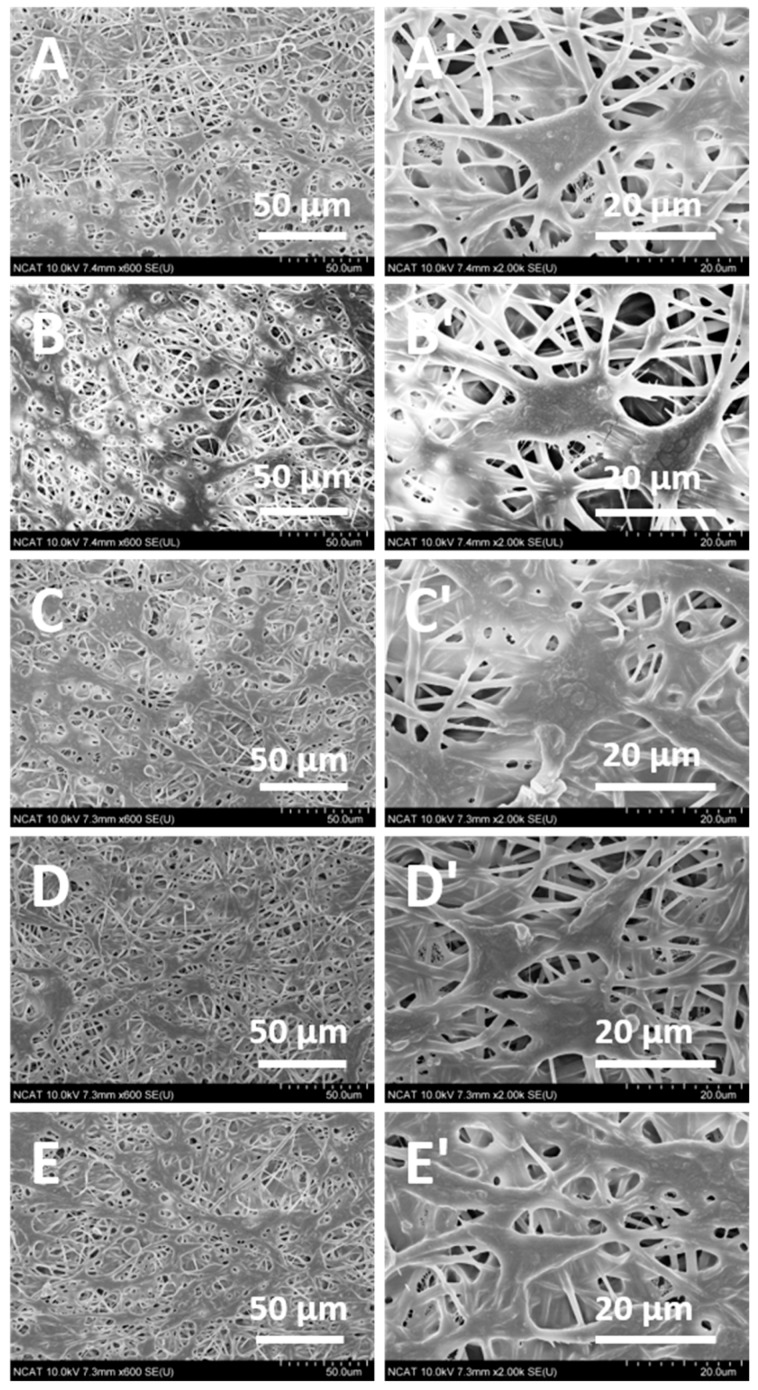
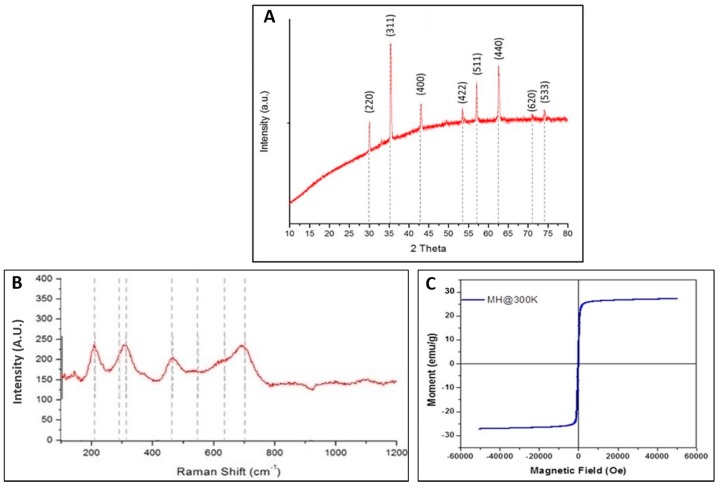
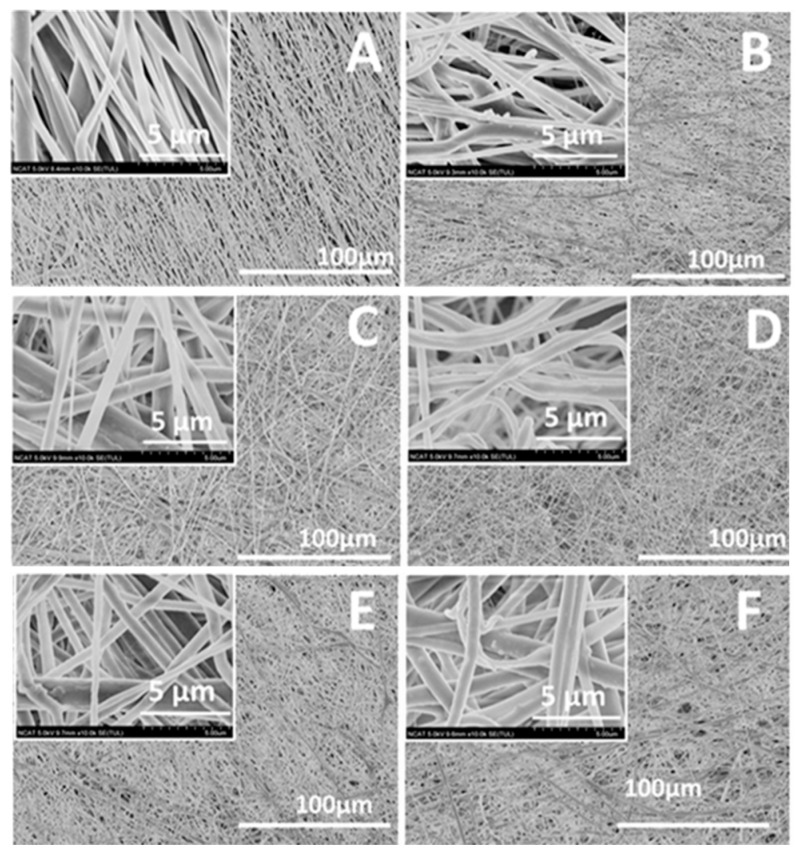
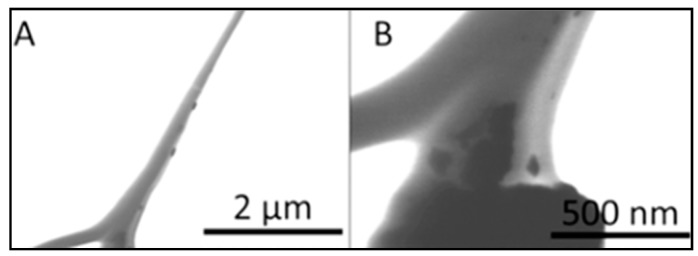
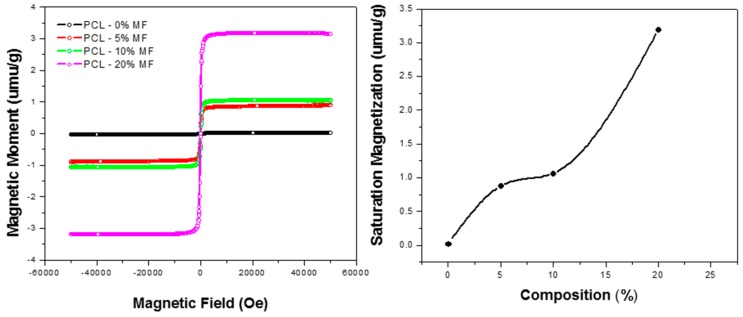
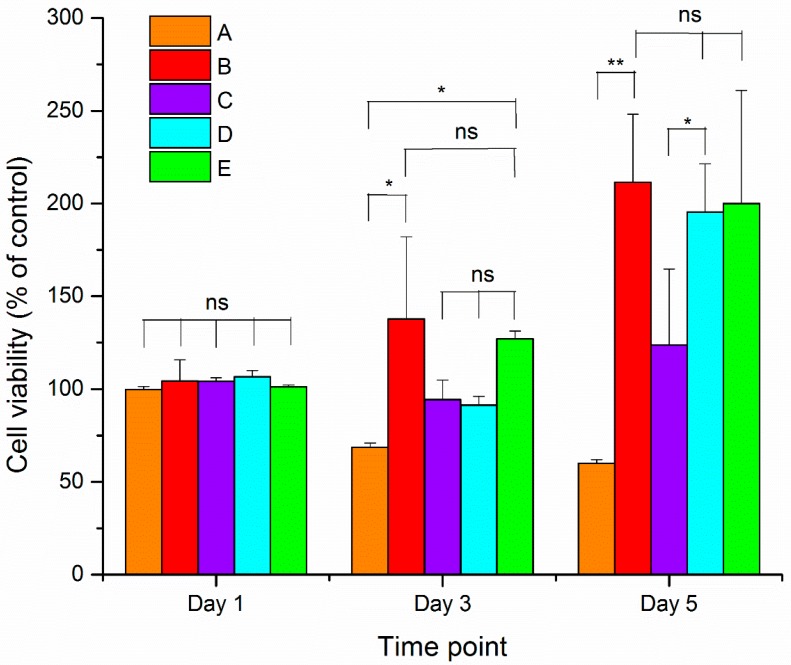
Composite nanofibers of biopolymers and inorganic materials have been widely explored as tissue engineering scaffolds because of their superior structural, mechanical and biological properties. In this study, magnesium ferrite (Mg-ferrite) based composite nanofibers were synthesized using an electrospinning technique. Mg-ferrite nanoparticles were first synthesized using the reverse micelle method, and then blended in a mixture of polycaprolactone (PCL), a synthetic polymer, and Aloe vera, a natural polymer, to create magnetic nanofibers by electrospinning. The morphology, structural and magnetic properties, and cellular compatibility of the magnetic nanofibers were analyzed. Mg-ferrite/PCL/Aloe vera nanofibers showed good uniformity in fiber morphology, retained their structural integrity, and displayed magnetic strength. Experimental results, using cell viability assay and scanning electron microscopy imaging showed that magnetic nanofibers supported 3T3 cell viability. We believe that the new composite nanofibrous membranes developed in this study have the ability to mimic the physical structure and function of tissue extracellular matrix, as well as provide the magnetic and soluble metal ion attributes in the scaffolds with enhanced cell attachment, and thus improve tissue regeneration.
生物聚合物和无机材料的复合纳米纤维因其优异的结构、力学和生物学性能,已被广泛研究用作组织工程支架。在本研究中,采用静电纺丝技术合成了基于镁铁氧体(Mg-铁氧体)的复合纳米纤维。首先使用反胶束法合成Mg-铁氧体纳米颗粒,然后将其与合成聚合物聚己内酯(PCL)和天然聚合物芦荟混合,通过静电纺丝制备磁性纳米纤维。对磁性纳米纤维的形态、结构和磁性性能以及细胞相容性进行了分析。Mg-铁氧体/PCL/芦荟纳米纤维在纤维形态上表现出良好的均匀性,保持了其结构完整性,并显示出磁强度。使用细胞活力测定和扫描电子显微镜成像得到的实验结果表明,磁性纳米纤维支持3T3细胞的活力。我们认为,本研究中开发的新型复合纳米纤维膜能够模拟组织细胞外基质的物理结构和功能,并在支架中提供磁性和可溶性金属离子特性,增强细胞附着,从而促进组织再生