Marrazzo Pasquale, O'Leary Cian
Department for Life Quality Studies, Alma Mater Studiorum, University of Bologna, Corso d'Augusto 237, 47921 Rimini (RN), Italy.
School of Pharmacy and Biomolecular Sciences, Royal College of Surgeons in Ireland (RCSI), 123 St Stephen's Green, 2 D02 Dublin, Ireland.
Bioengineering (Basel). 2020 Sep 2;7(3):104. doi: 10.3390/bioengineering7030104.
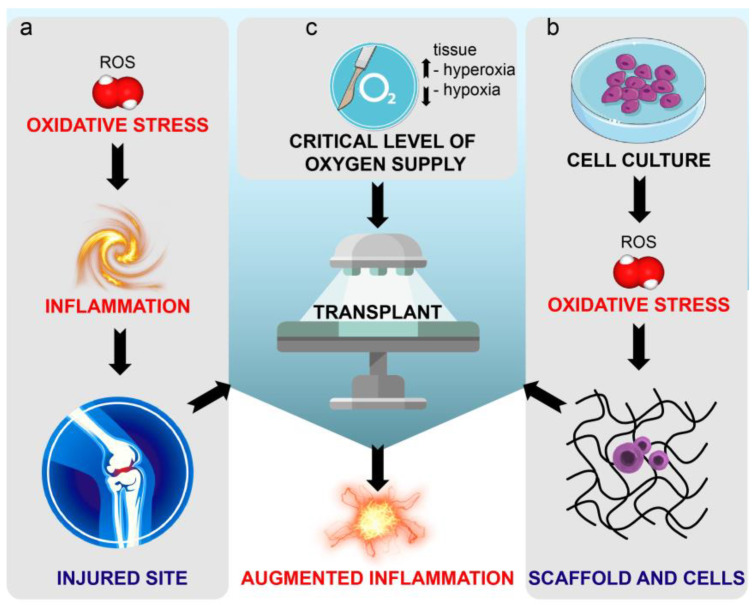
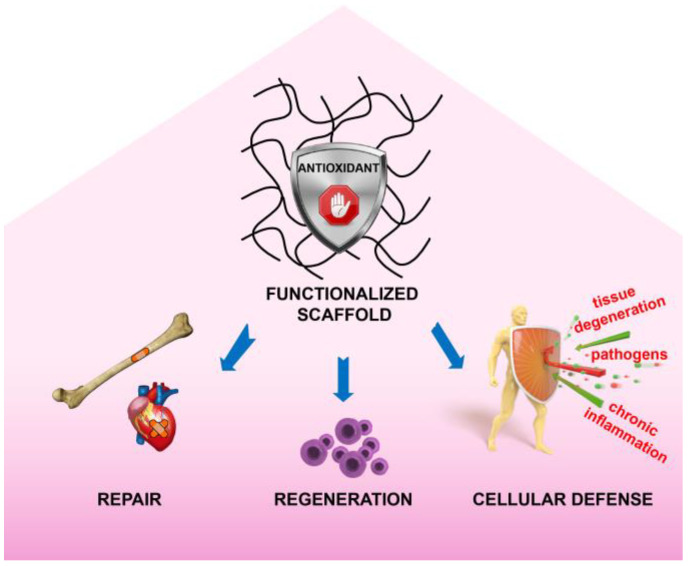
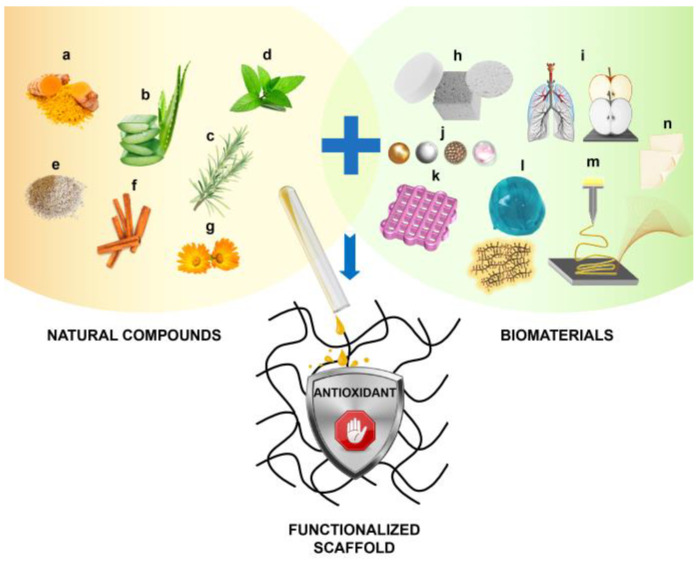
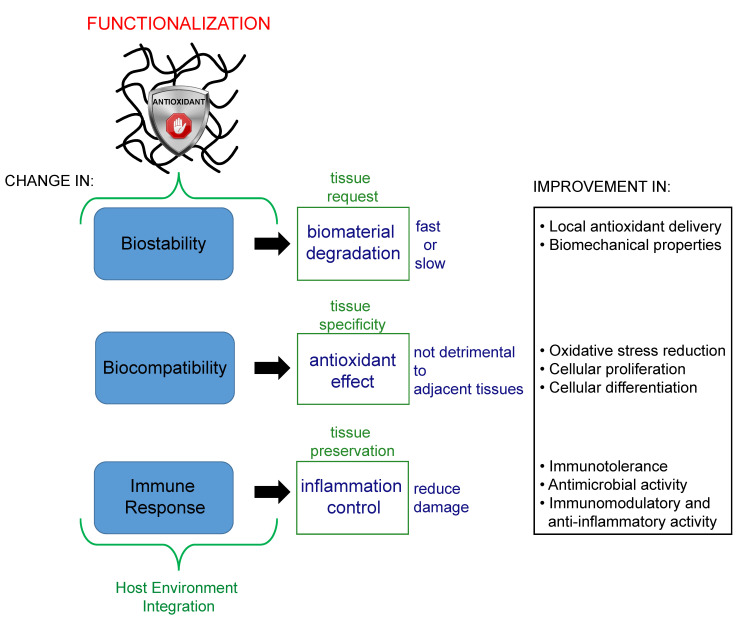
Although a large panel of natural antioxidants demonstrate a protective effect in preventing cellular oxidative stress, their low bioavailability limits therapeutic activity at the targeted injury site. The importance to deliver drug or cells into oxidative microenvironments can be realized with the development of biocompatible redox-modulating materials. The incorporation of antioxidant compounds within implanted biomaterials should be able to retain the antioxidant activity, while also allowing graft survival and tissue recovery. This review summarizes the recent literature reporting the combined role of natural antioxidants with biomaterials. Our review highlights how such functionalization is a promising strategy in tissue engineering to improve the engraftment and promote tissue healing or regeneration.
尽管大量天然抗氧化剂在预防细胞氧化应激方面显示出保护作用,但其低生物利用度限制了在目标损伤部位的治疗活性。随着生物相容性氧化还原调节材料的发展,可以认识到将药物或细胞递送至氧化微环境的重要性。将抗氧化化合物掺入植入的生物材料中应能够保留抗氧化活性,同时还能使移植物存活和组织恢复。本综述总结了最近报道天然抗氧化剂与生物材料联合作用的文献。我们的综述强调了这种功能化如何成为组织工程中改善植入并促进组织愈合或再生的一种有前景的策略。