Hamperl Stephan, Bocek Michael J, Saldivar Joshua C, Swigut Tomek, Cimprich Karlene A
Department of Chemical and Systems Biology, Stanford University School of Medicine, Stanford, CA 94305, USA.
Department of Chemical and Systems Biology, Stanford University School of Medicine, Stanford, CA 94305, USA.
Cell. 2017 Aug 10;170(4):774-786.e19. doi: 10.1016/j.cell.2017.07.043.
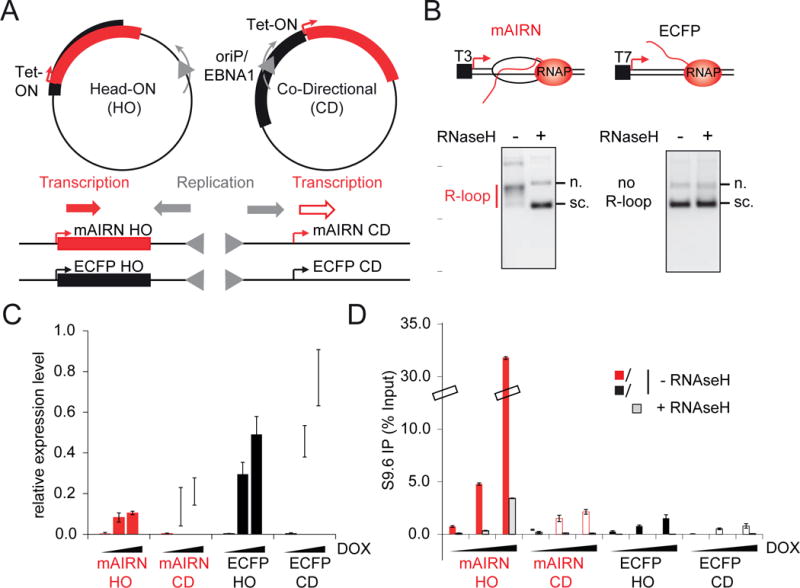
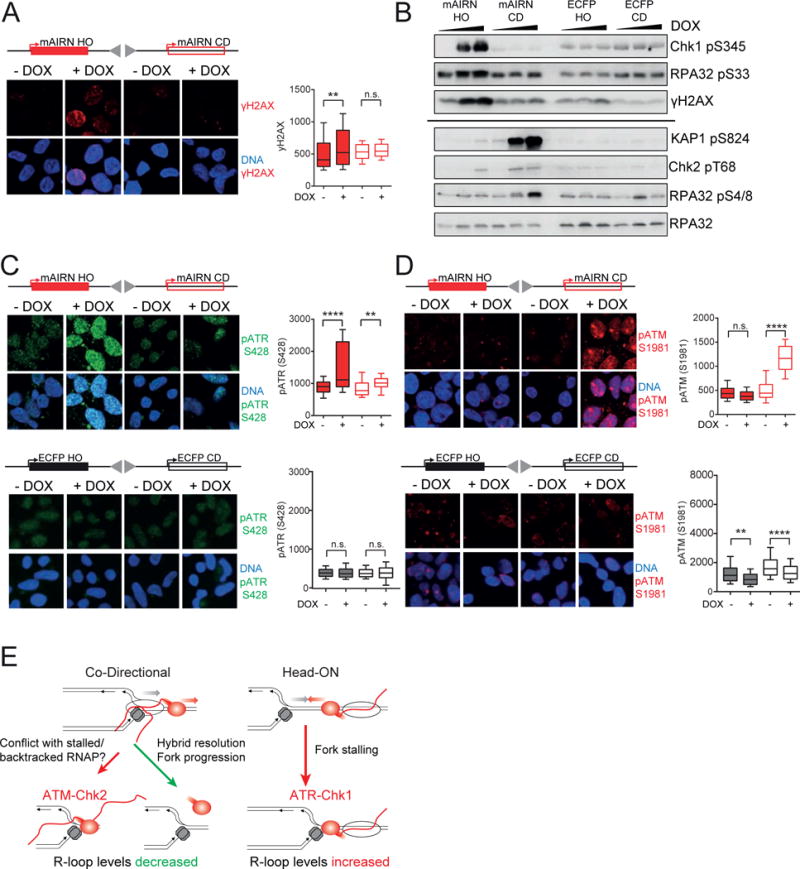
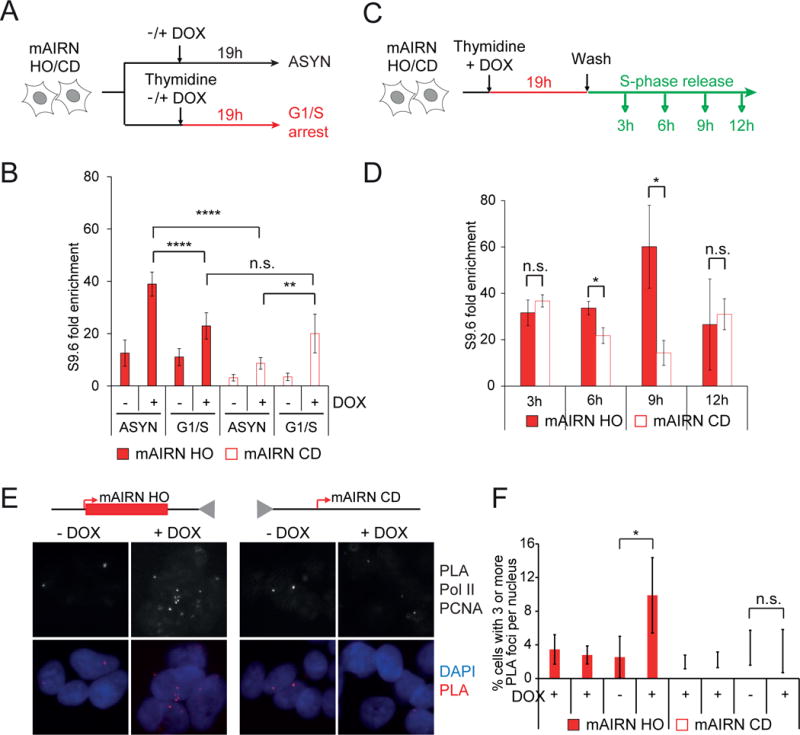
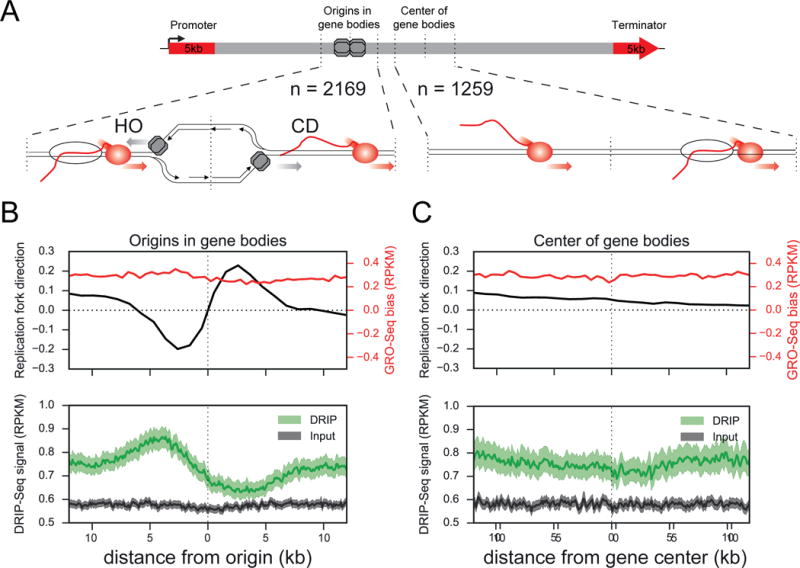
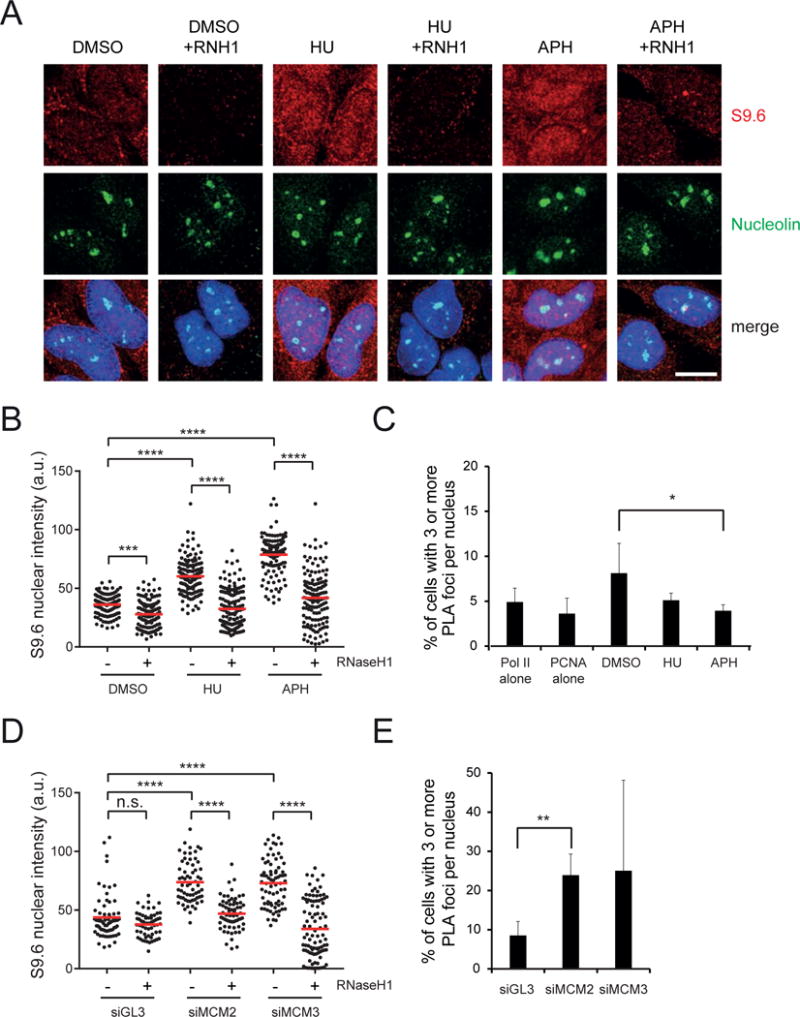
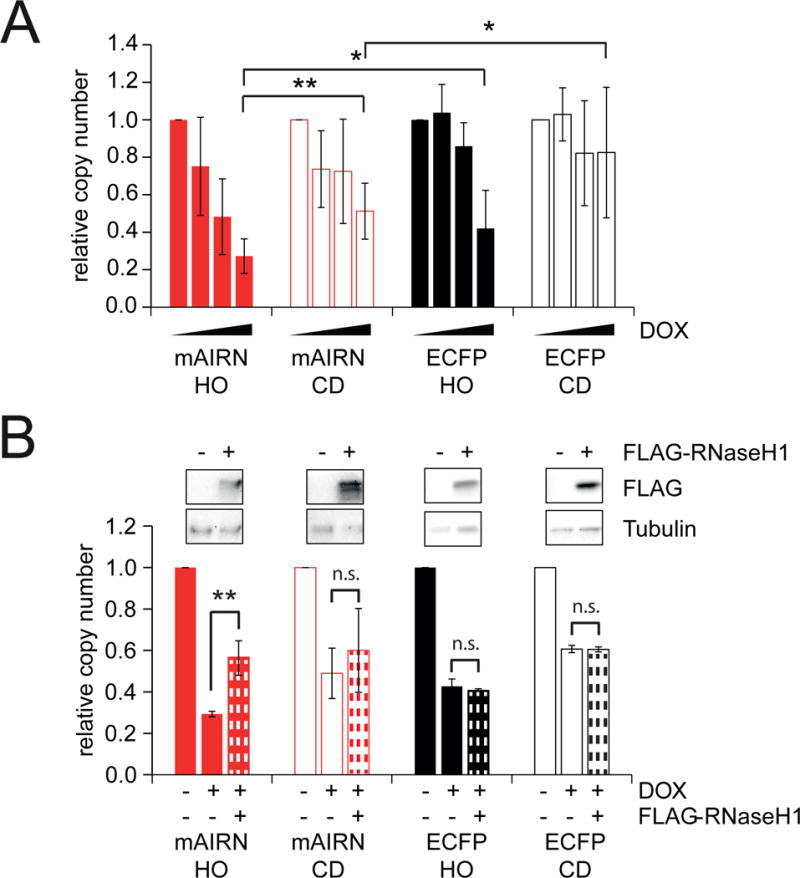
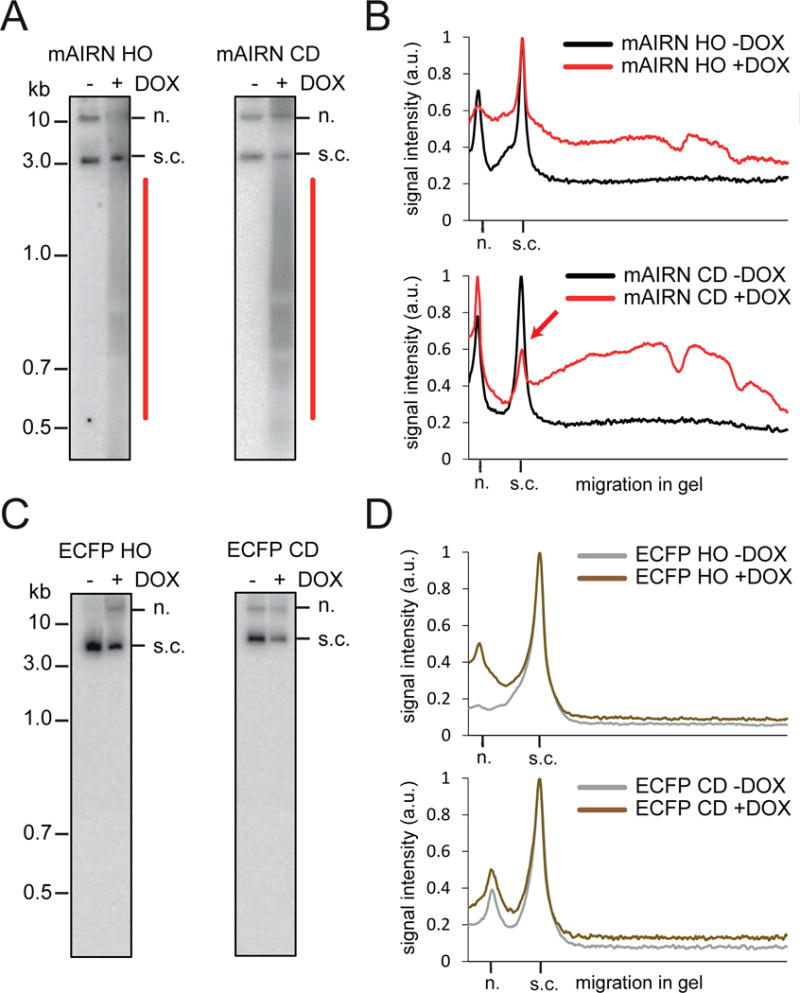
Conflicts between transcription and replication are a potent source of DNA damage. Co-transcriptional R-loops could aggravate such conflicts by creating an additional barrier to replication fork progression. Here, we use a defined episomal system to investigate how conflict orientation and R-loop formation influence genome stability in human cells. R-loops, but not normal transcription complexes, induce DNA breaks and orientation-specific DNA damage responses during conflicts with replication forks. Unexpectedly, the replisome acts as an orientation-dependent regulator of R-loop levels, reducing R-loops in the co-directional (CD) orientation but promoting their formation in the head-on (HO) orientation. Replication stress and deregulated origin firing increase the number of HO collisions leading to genome-destabilizing R-loops. Our findings connect DNA replication to R-loop homeostasis and suggest a mechanistic basis for genome instability resulting from deregulated DNA replication, observed in cancer and other disease states.
转录与复制之间的冲突是DNA损伤的一个重要来源。共转录R环可通过对复制叉前进形成额外障碍而加剧此类冲突。在这里,我们使用一个明确的附加型系统来研究冲突方向和R环形成如何影响人类细胞中的基因组稳定性。在与复制叉发生冲突时,R环而非正常转录复合物会诱导DNA断裂和方向特异性DNA损伤反应。出乎意料的是,复制体充当R环水平的方向依赖性调节因子,减少同向(CD)方向的R环,但促进其在对头(HO)方向的形成。复制应激和失调的起始点激发增加了HO碰撞的数量,导致基因组不稳定的R环。我们的发现将DNA复制与R环动态平衡联系起来,并为在癌症和其他疾病状态中观察到的DNA复制失调导致的基因组不稳定提供了一个机制基础。