Keppel Gunnar, Anderson Sharolyn, Williams Craig, Kleindorfer Sonia, O'Connell Christopher
School of Natural and Built Environments and Future Industries Institute, University of South Australia, Adelaide, SA, Australia.
School of Pharmacy and Medical Sciences, of South Australia, Adelaide, SA, Australia.
PLoS One. 2017 Aug 14;12(8):e0183106. doi: 10.1371/journal.pone.0183106. eCollection 2017.
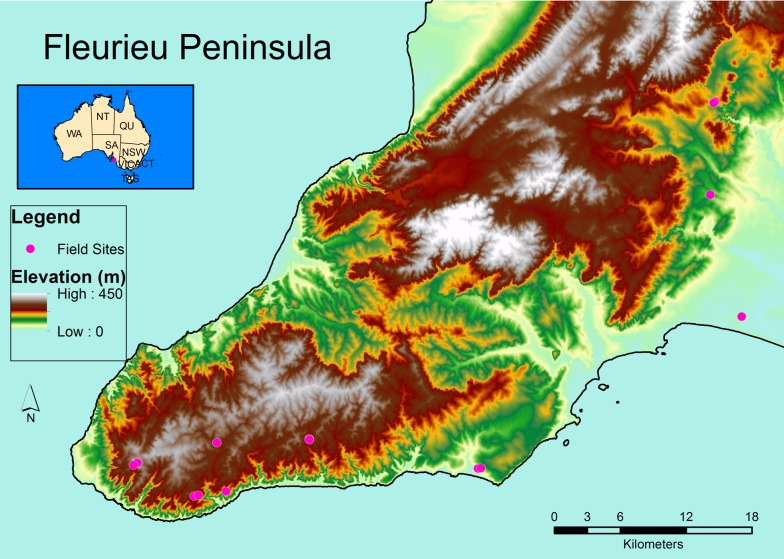
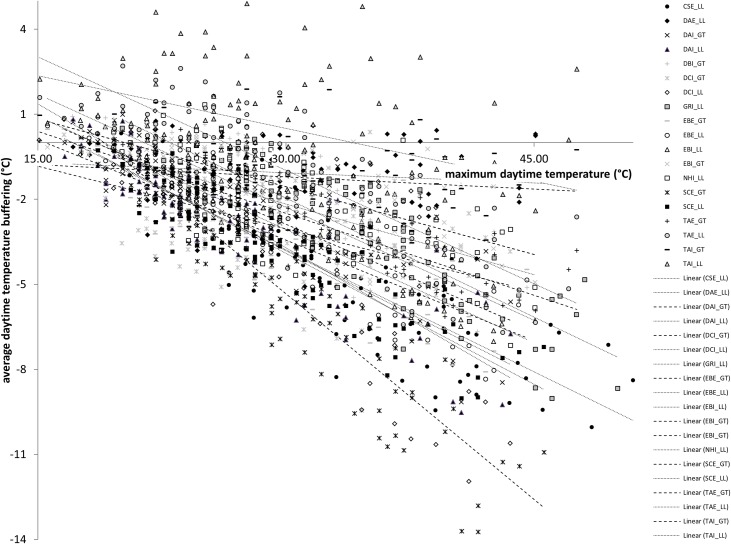
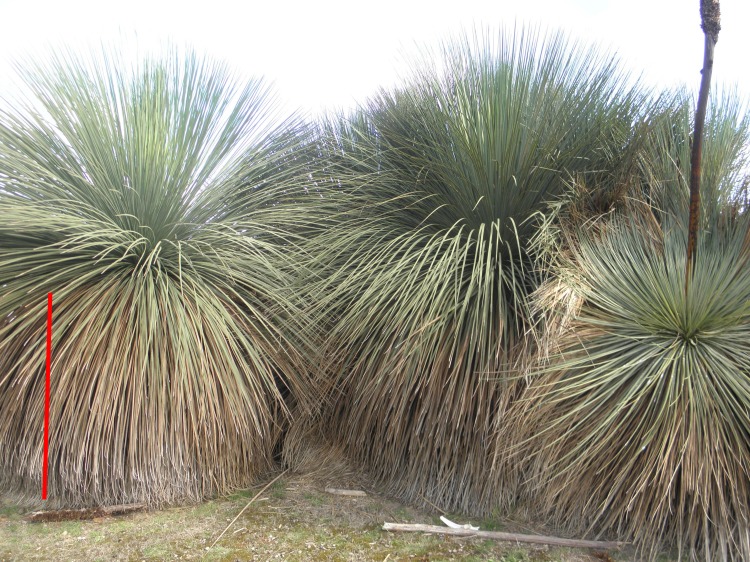
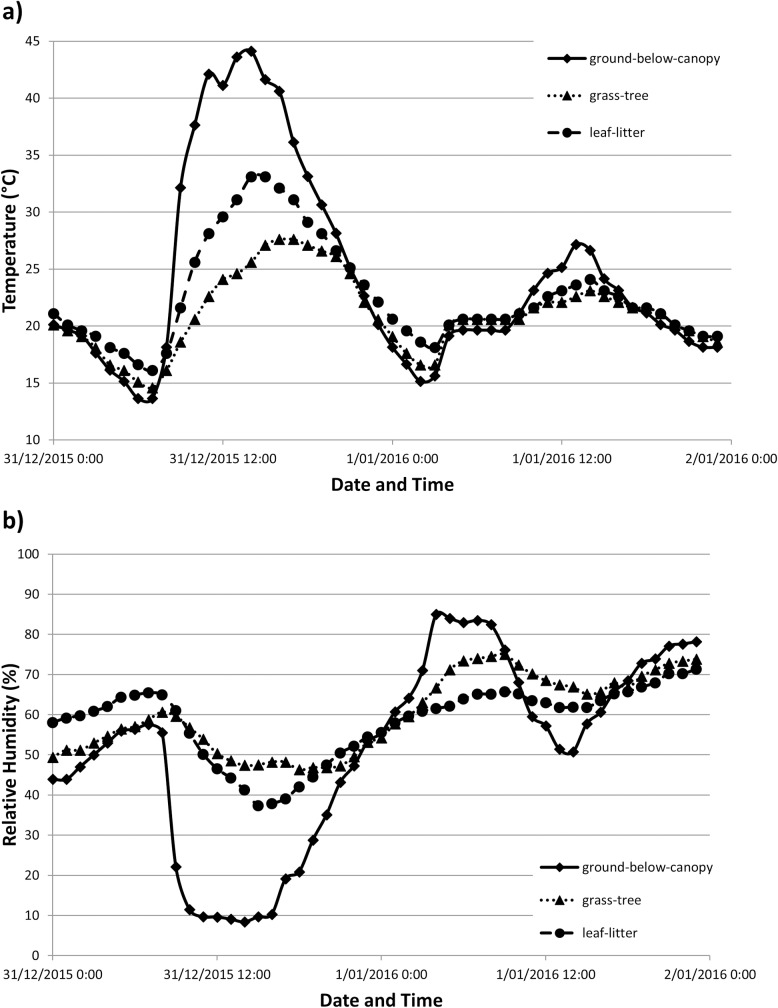
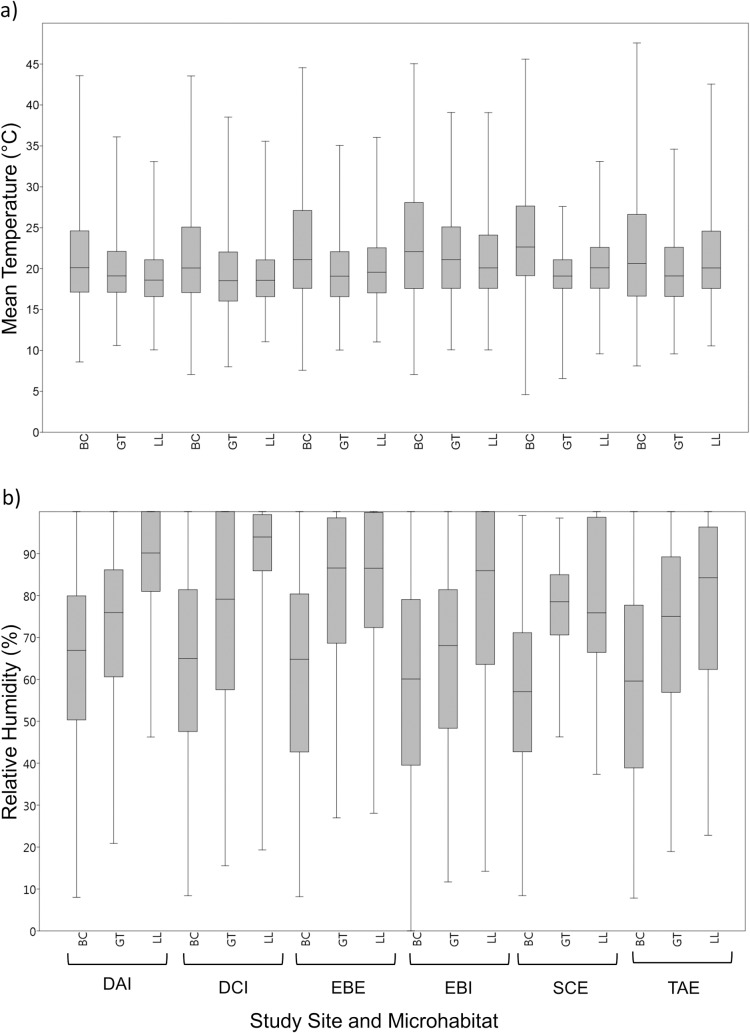
Extreme heat events will become more frequent under anthropogenic climate change, especially in Mediterranean ecosystems. Microhabitats can considerably moderate (buffer) the effects of extreme weather events and hence facilitate the persistence of some components of the biodiversity. We investigate the microclimatic moderation provided by two important microhabitats (cavities formed by the leaves of the grass-tree Xanthorrhoea semiplana F.Muell., Xanthorrhoeaceae; and inside the leaf-litter) during the summer of 2015/16 on the Fleurieu Peninsula of South Australia. We placed microsensors inside and outside these microhabitats, as well as above the ground below the forest canopy. Grass-tree and leaf-litter microhabitats significantly buffered against high temperatures and low relative humidity, compared to ground-below-canopy sensors. There was no significant difference between grass-tree and leaf-litter temperatures: in both microhabitats, daily temperature variation was reduced, day temperatures were 1-5°C cooler, night temperatures were 0.5-3°C warmer, and maximum temperatures were up to 14.4°C lower, compared to ground-below-canopy sensors. Grass-tree and leaf-litter microhabitats moderated heat increase at an average rate of 0.24°C temperature per 1°C increase of ambient temperature in the ground-below-canopy microhabitat. The average daily variation in temperature was determined by the type (grass-tree and leaf-litter versus ground-below-canopy) of microhabitat (explaining 67%), the amount of canopy cover and the area of the vegetation fragment (together explaining almost 10% of the variation). Greater canopy cover increased the amount of microclimatic moderation provided, especially in the leaf-litter. Our study highlights the importance of microhabitats in moderating macroclimatic conditions. However, this moderating effect is currently not considered in species distribution modelling under anthropogenic climate change nor in the management of vegetation. This shortcoming will have to be addressed to obtain realistic forecasts of future species distributions and to achieve effective management of biodiversity.
在人为气候变化的影响下,极端高温事件将变得更加频繁,在地中海生态系统中尤为如此。微生境能够显著缓和(缓冲)极端天气事件的影响,从而有助于生物多样性的某些组成部分得以存续。我们于2015/16年夏季,在南澳大利亚的弗勒里厄半岛,对两种重要的微生境(黄脂木科半平叶黄脂木Xanthorrhoea semiplana F.Muell.的叶片形成的空洞;以及落叶层内部)所提供的微气候缓和作用展开了调查。我们将微型传感器放置在这些微生境的内部和外部,以及林冠下方的地面之上。与林冠下方地面的传感器相比,黄脂木和落叶层微生境能够显著缓冲高温和低相对湿度。黄脂木和落叶层的温度之间没有显著差异:与林冠下方地面的传感器相比,在这两种微生境中,每日温度变化均有所减小,日间温度低1-5°C,夜间温度高0.5-3°C,最高温度低达14.4°C。黄脂木和落叶层微生境使热量增加的缓和速率为,林冠下方地面微生境中环境温度每升高1°C,温度平均升高0.24°C。温度的平均每日变化取决于微生境的类型(黄脂木和落叶层与林冠下方地面)(解释了67%)、林冠覆盖量和植被片段面积(共同解释了近10%的变化)。更大的林冠覆盖增加了所提供的微气候缓和量,尤其是在落叶层中。我们的研究突出了微生境在缓和宏观气候条件方面的重要性。然而,目前在人为气候变化下的物种分布建模以及植被管理中,并未考虑这种缓和作用。必须解决这一缺陷,以便获得对未来物种分布的现实预测,并实现对生物多样性的有效管理。