Taylor Samuel H, Long Stephen P
Lancaster Environment Centre, Lancaster University, Lancaster, Lancashire LA1 4YQ, UK.
Lancaster Environment Centre, Lancaster University, Lancaster, Lancashire LA1 4YQ, UK
Philos Trans R Soc Lond B Biol Sci. 2017 Sep 26;372(1730). doi: 10.1098/rstb.2016.0543.
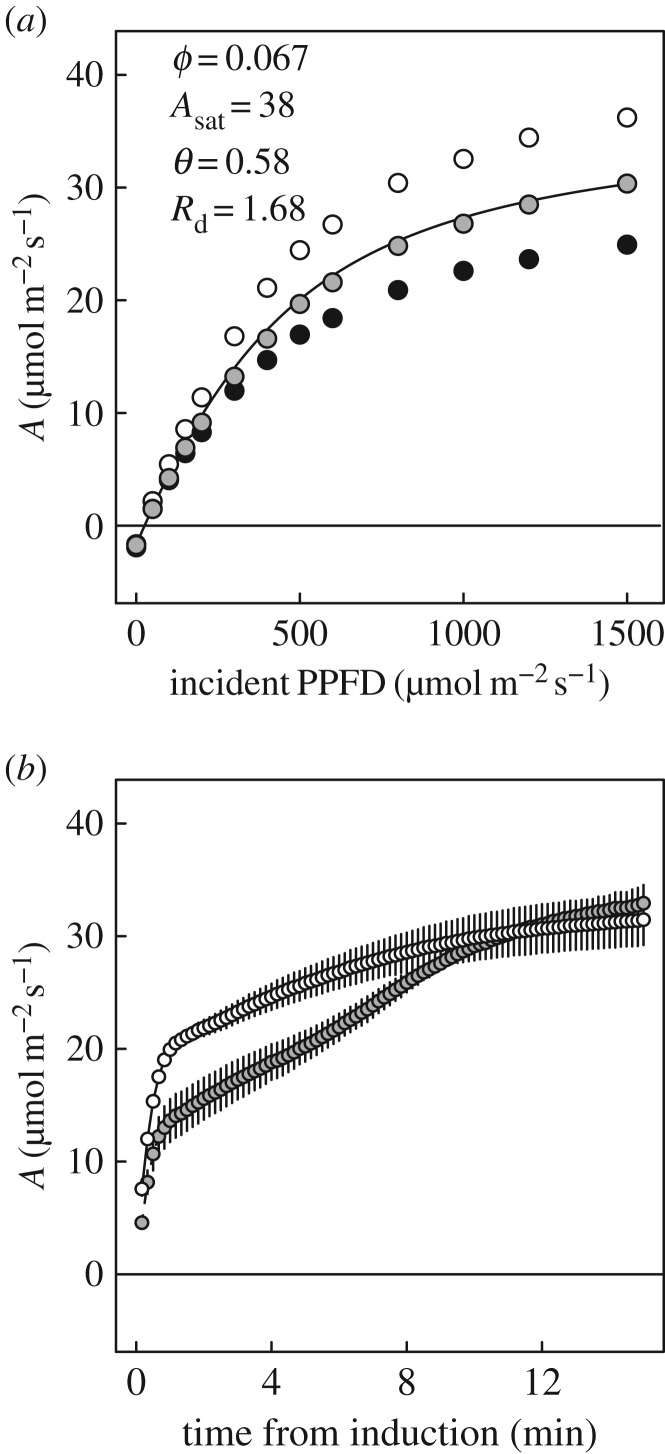
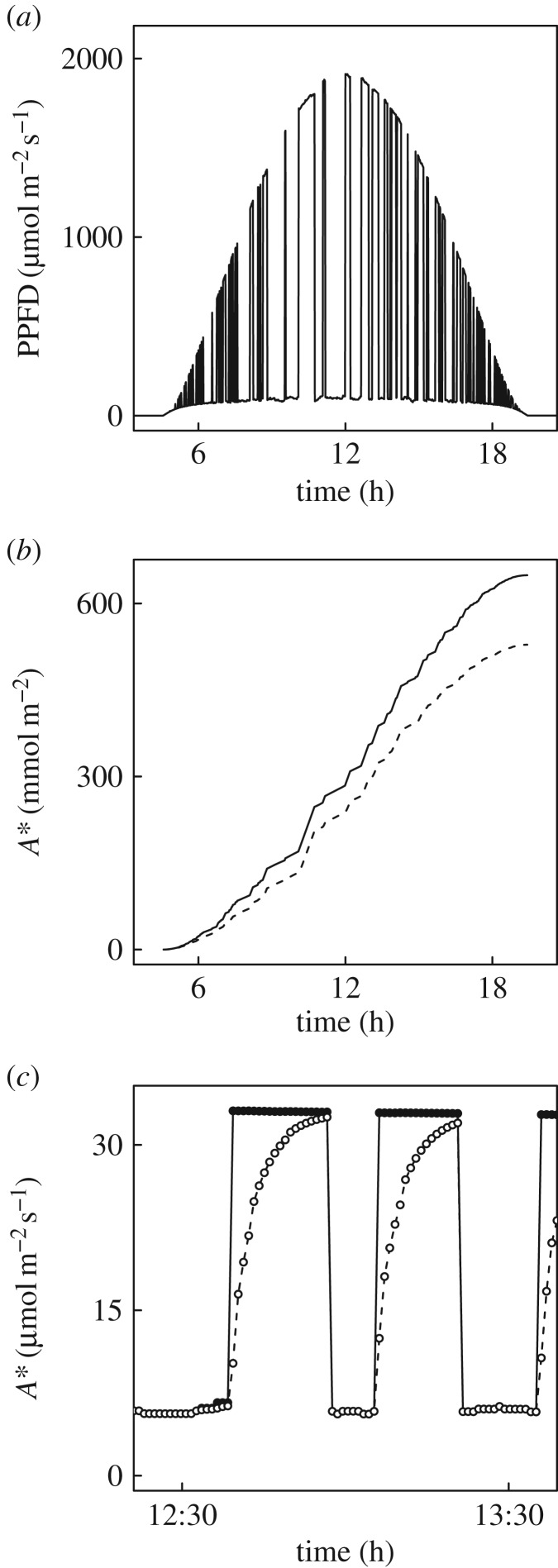
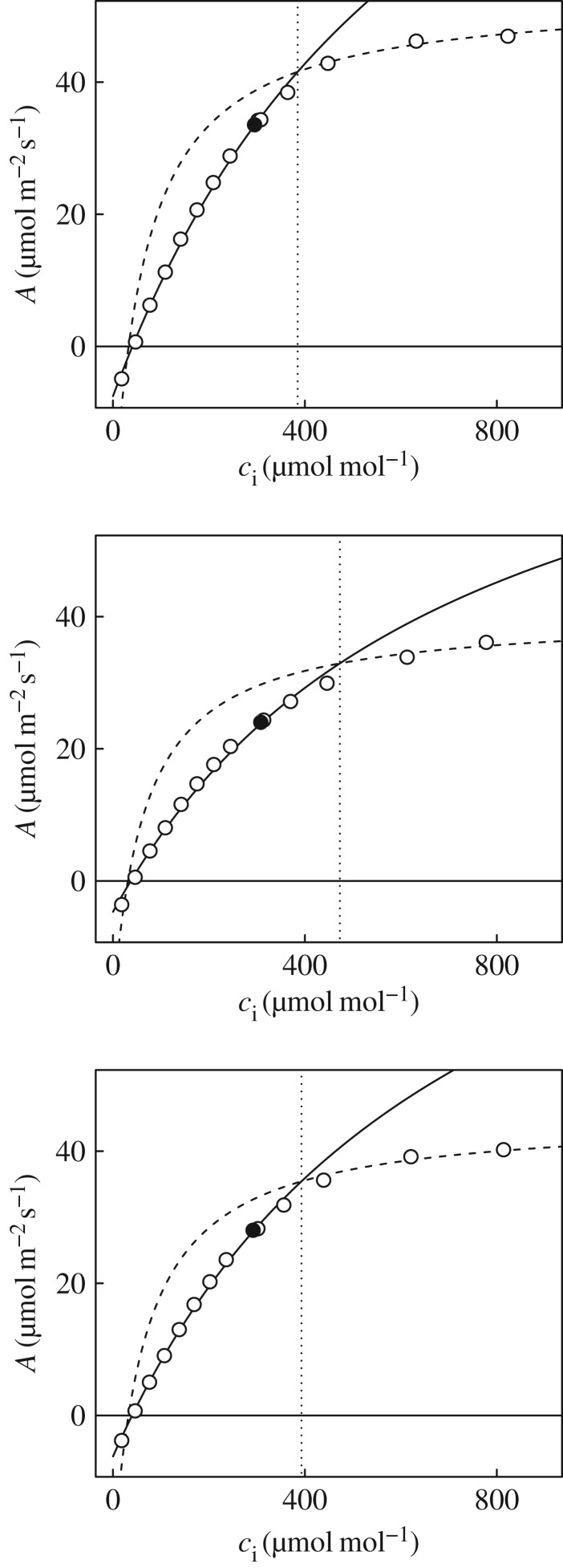
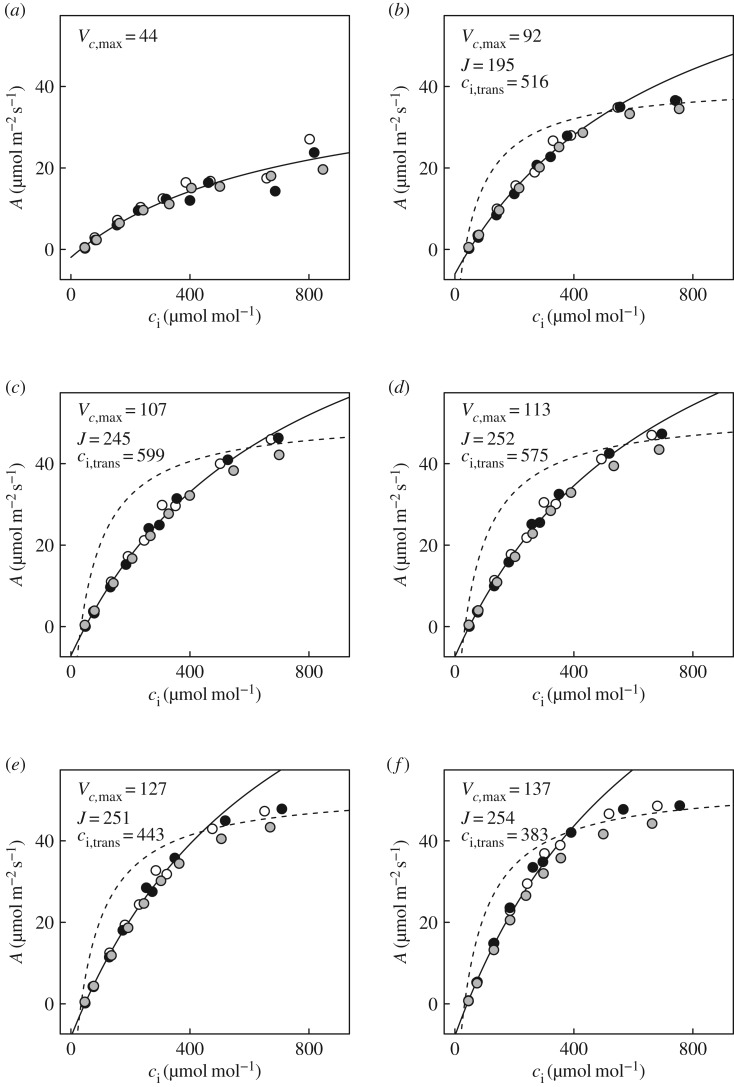
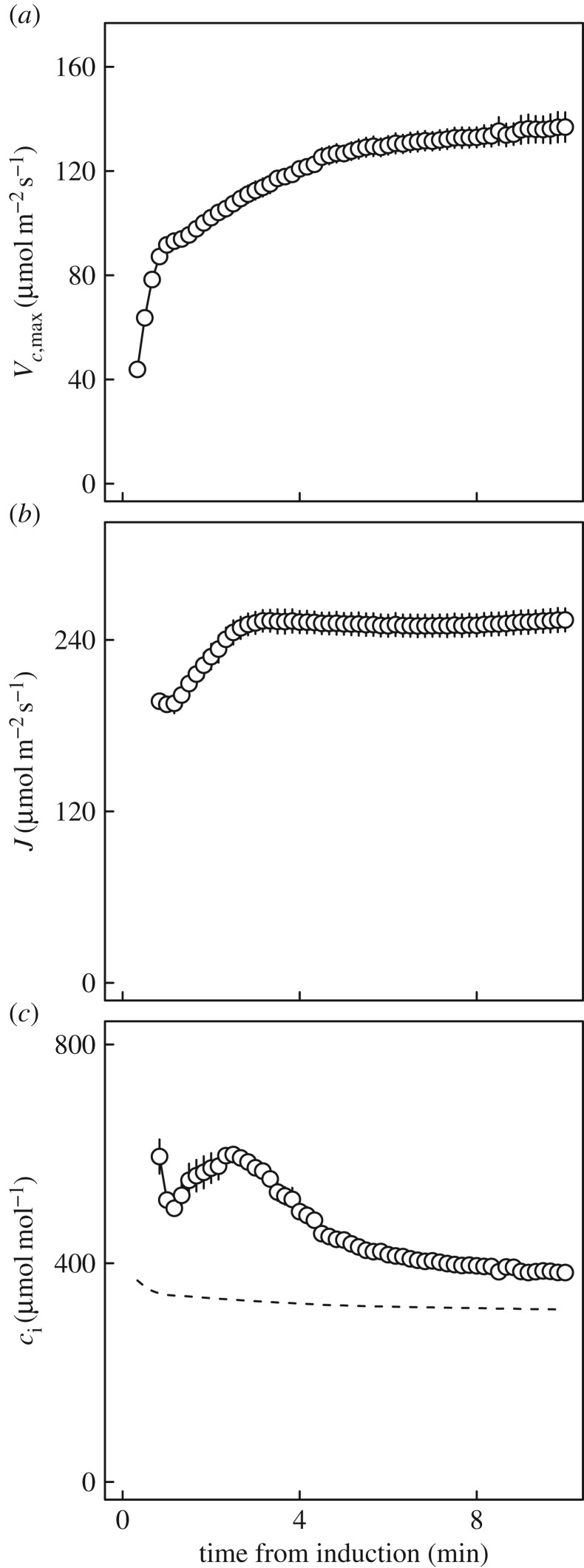
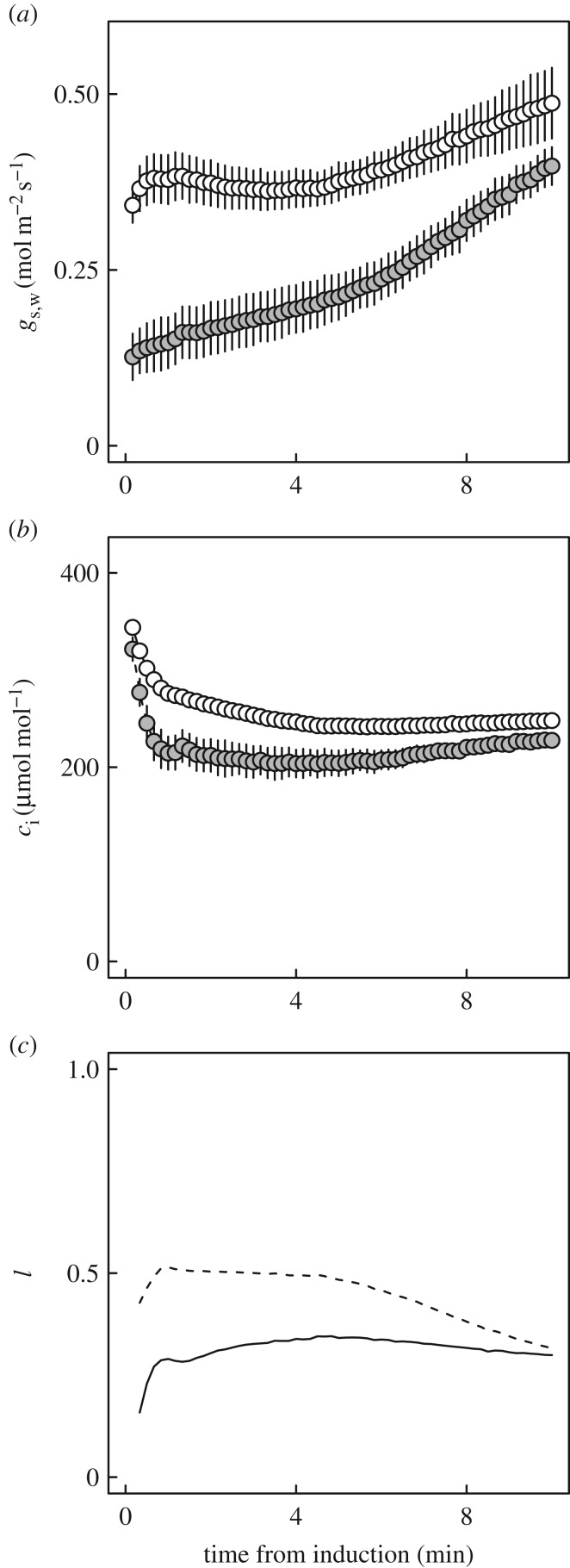
Wheat is the second most important direct source of food calories in the world. After considerable improvement during the Green Revolution, increase in genetic yield potential appears to have stalled. Improvement of photosynthetic efficiency now appears a major opportunity in addressing the sustainable yield increases needed to meet future food demand. Effort, however, has focused on increasing efficiency under steady-state conditions. In the field, the light environment at the level of individual leaves is constantly changing. The speed of adjustment of photosynthetic efficiency can have a profound effect on crop carbon gain and yield. Flag leaves of wheat are the major photosynthetic organs supplying the grain of wheat, and will be intermittently shaded throughout a typical day. Here, the speed of adjustment to a shade to sun transition in these leaves was analysed. On transfer to sun conditions, the leaf required about 15 min to regain maximum photosynthetic efficiency. analysis based on the responses of leaf CO assimilation () to intercellular CO concentration () implied that the major limitation throughout this induction was activation of the primary carboxylase of C3 photosynthesis, ribulose-1,5-bisphosphate carboxylase/oxygenase (Rubisco). This was followed in importance by stomata, which accounted for about 20% of the limitation. Except during the first few seconds, photosynthetic electron transport and regeneration of the CO acceptor molecule, ribulose-1,5-bisphosphate (RubP), did not affect the speed of induction. The measured kinetics of Rubisco activation in the sun and de-activation in the shade were predicted from the measurements. These were combined with a canopy ray tracing model that predicted intermittent shading of flag leaves over the course of a June day. This indicated that the slow adjustment in shade to sun transitions could cost 21% of potential assimilation.This article is part of the themed issue 'Enhancing photosynthesis in crop plants: targets for improvement'.
小麦是世界上第二重要的直接食物热量来源。在绿色革命期间取得显著改善之后,遗传产量潜力的增长似乎已经停滞。提高光合效率现在似乎是实现满足未来粮食需求所需的可持续产量增长的一个主要机会。然而,人们的努力一直集中在提高稳态条件下的效率。在田间,单叶水平的光照环境不断变化。光合效率的调整速度会对作物碳积累和产量产生深远影响。小麦的旗叶是为麦粒提供养分的主要光合器官,在典型的一天中会间歇性地受到遮荫。在此,分析了这些叶片从遮荫到光照转变的调整速度。转移到光照条件下后,叶片大约需要15分钟才能恢复到最大光合效率。基于叶片CO2同化()对细胞间CO2浓度()的响应进行的分析表明,在整个诱导过程中,主要限制因素是C3光合作用的初级羧化酶核酮糖-1,5-二磷酸羧化酶/加氧酶(Rubisco)的激活。其次重要的是气孔,其限制作用约占20%。除了最初的几秒钟外,光合电子传递和CO2受体分子核酮糖-1,5-二磷酸(RubP)的再生不影响诱导速度。根据测量结果预测了光照下Rubisco的激活动力学和遮荫下的失活动力学。这些结果与一个冠层光线追踪模型相结合,该模型预测了6月一天中旗叶的间歇性遮荫情况。这表明遮荫到光照转变的缓慢调整可能会使潜在同化量损失21%。本文是主题为“提高作物光合作用:改进目标”的特刊的一部分。